Tag: sustainable packaging

  • Paper Sachets Using Oji Material Adopted for Kewpie on JAL Flights

    Paper Sachets Using Oji Material Adopted for Kewpie on JAL Flights

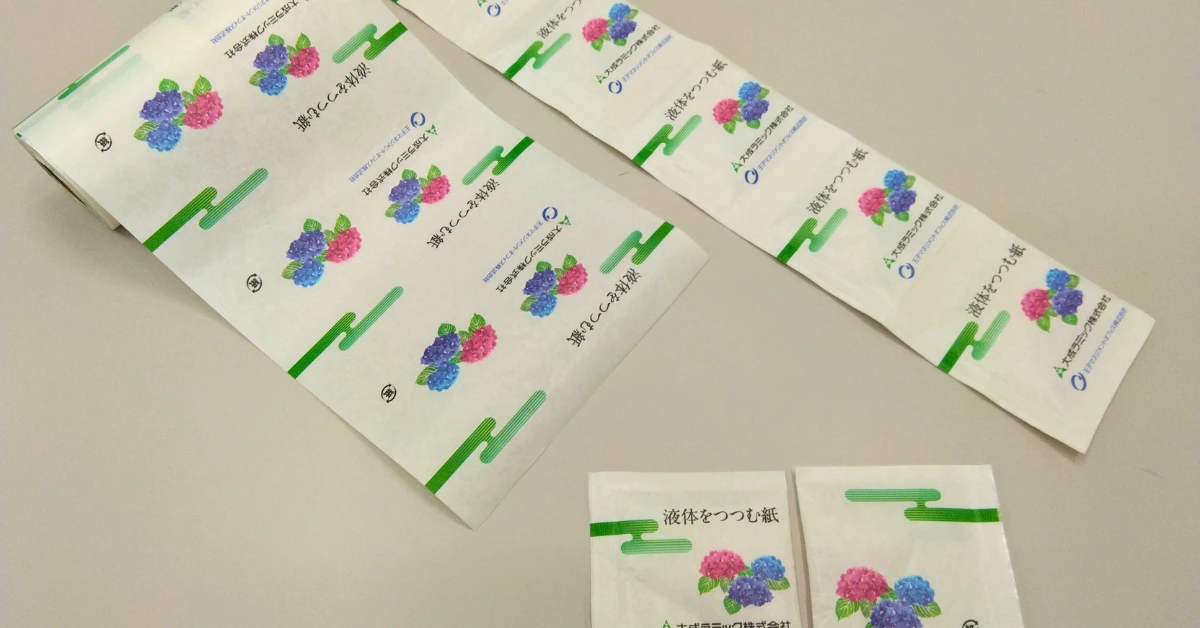
    Oji Holdings Corporation  announces that paper-based sachets for liquid foods, jointly developed with Taisei Lamick Group Head Quarter & Innovation Corporation  have been adopted by Kewpie Corporation  for use in its salad dressings.  These sachets have been introduced on selected international in-flight meals served by Japan Airlines Co., Ltd.

    In response to the growing societal demand for reducing environmental impact, Oji Holdings has been promoting the practical application of paper-based liquid packaging under the key themes of “Plastic and CO₂ Reduction.” This product combines Oji Holdings’ expertise in paper manufacturing technologies with Taisei Lamick Group’s strengths in lamination and liquid packaging machinery.

    While primarily composed of paper, the sachets provide excellent barrier properties against oxygen and water vapor—requirements essential for liquid food packaging—realizing a new sustainable yet highly functional packaging solution.

    By introducing this paper-based packaging, the amount of plastic used per sachet has been reduced by 44%, and CO₂ emissions have been reduced by 25% compared to Taisei Lamick Group’s conventional plastic packaging.

    The Oji Group has long proposed a wide range of sustainable packaging materials and processing technologies to support customers in designing environmentally conscious packaging. Moving forward, we remain committed to developing advanced packaging solutions and innovative wood-derived materials, thereby contributing to a more sustainable society.

  • Mondi develops lighter, more sustainable banana box through customer collaboration

    Mondi develops lighter, more sustainable banana box through customer collaboration

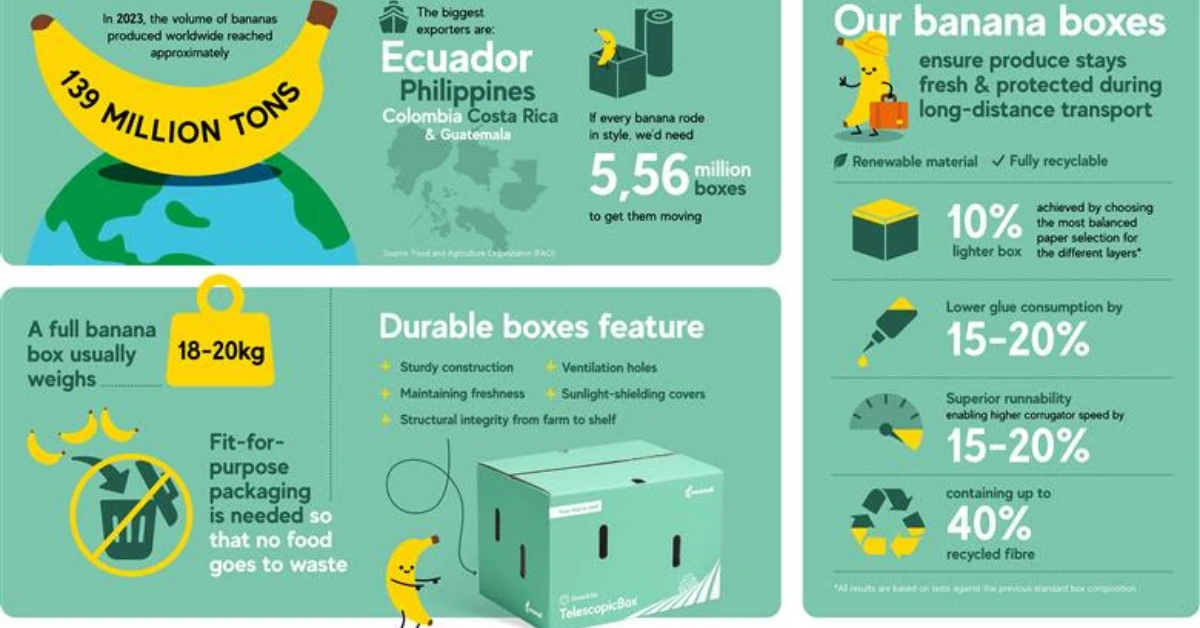
    Improved banana box composition is up to 10% lighter and made with around 40% recycled fibre. Developed through collaboration with Ecuadorian banana exporter Incarpalm and trading partner Europcell.Successfully tested under real life conditions, in extreme humidity during a 33-day transatlantic shipment.

    Mondi, a global leader in packaging and paper, has developed an innovative banana box packaging solution that is lighter though equally strong and more sustainable – thanks to close collaboration with partners across the value chain.

    The project began when Mondi’s technical team for containerboard explored a simple but ambitious question during a customer visit in Latin America: Could the standard banana box be made lighter and more sustainable without compromising on strength?

    What followed was an international collaboration between Mondi, trading partner Europcell, Ecuadorian banana exporter Incarpalm, and a leading European importer. Together, the teams redesigned the structure and paper composition of the traditional banana box, testing multiple scenarios to balance durability, weight and humidity resistance.

    The new concept combines ProVantage SmartKraft Brown, known for its high strength and protective qualities, with ProVantage Frescoflute, a semi-chemical fluting that enhances firmness in lightweight packaging boxes. The result is a box made with around 40% recycled fibre and up to 10% less weight than the previous design – helping to lower emissions during transport without compromising fruit protection.

    To validate performance under real-world conditions, a full-scale production trial took place in Ecuador in summer 2024. Bananas packed in the new boxes were shipped to Europe over a 33-day journey, with sensors monitoring humidity and temperature. Despite extreme humidity levels of up to 100%, the boxes maintained their integrity throughout transit.

    “Seeing the new box perform under such tough conditions was incredibly rewarding,” said Marek Motylewski, Technical Service Expert for containerboard products. “It started as a question on a customer visit and turned into a solution that delivers measurable benefits for the entire supply chain.”

    “The reliability of the box is everything,” added Jorge Romero, Operations Manager at Incarpalm. “This collaboration proves that innovation and practicality must go hand in hand.” The success has already sparked interest among other fruit exporters and retailers. With upcoming regulations, including a 2026 EU ban on plastic wrap inside banana boxes, demand for fibre-based alternatives is expected to rise.

    “This project shows what’s possible when we combine technical expertise with open collaboration,” said Gijs Huisman, Sales Director at Mondi Containerboard. “It’s a great example of co-creation that delivers tangible results in strength, sustainability and supply chain efficiency.” The improved banana box marks another step in Mondi’s commitment to developing fit-for-purpose packaging that meets customer needs while supporting more sustainable solutions.

  • How paper carrier bags contribute to the circular bioeconomy

    How paper carrier bags contribute to the circular bioeconomy

    The adoption of the Packaging and Packaging Waste Regulation (PPWR), retailers and brand owners are under increasing pressure to reduce their environmental footprint.

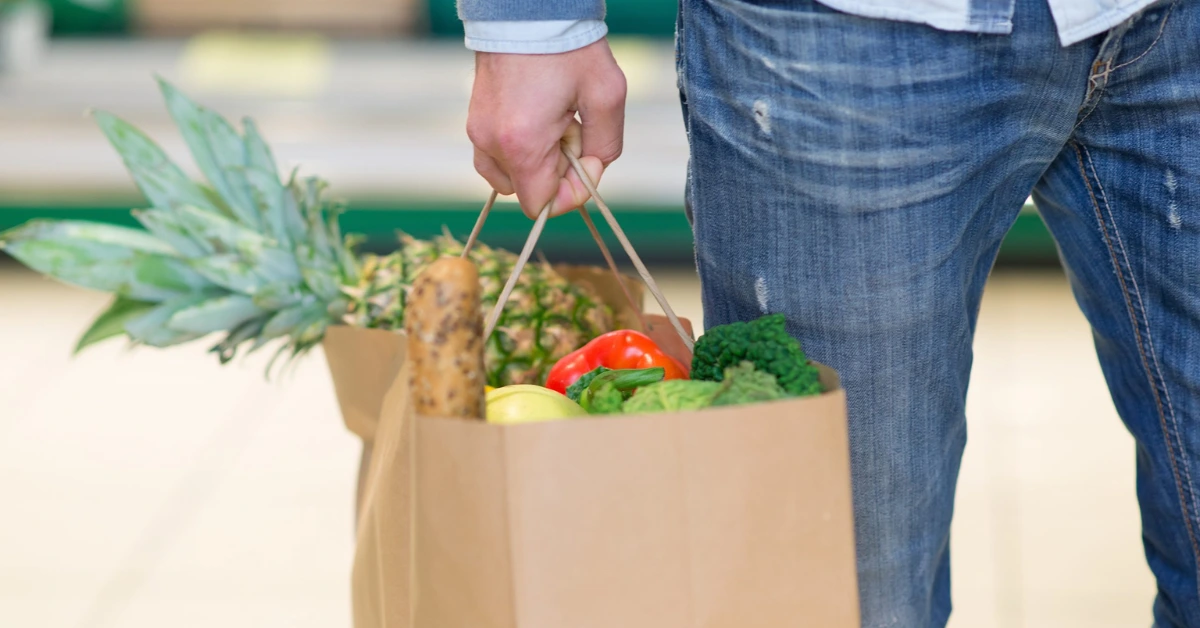
    The regulation sets ambitious targets for packaging waste reduction, recyclability and responsible use of resources. Paper carrier bags meet the highest standards. They are made from renewable raw materials sourced from sustainable forest management and are reusable and recyclable.

    But that’s not all: the kraft paper and paper carrier bag manufacturers are constantly working to conserve resources, minimise environmental impact and increase product quality at all stages of the production process – and they have been doing so long before the PPWR came into force.

    “Saving resources has a long tradition in our industry,” says Elin Gordon, Secretary General of CEPI Eurokraft. “The concept of sustainability was introduced in the early 18th century in connection with the responsible use of wood as a resource. And this principle still defines how we operate today.”

    The primary raw material for kraft paper is wood fibre, mostly sourced from sustainably managed European forests. In these forests, trees are selectively harvested, primarily removing dead, weak or misshapen ones to support healthy growth. This practice supports the objectives of the EU Deforestation Regulation (EUDR).

    FSC® and PEFC™ certifications also ensure the traceability of the raw materials and confirm that they originate from responsibly managed, deforestation-free sources. Adding to that, the kraft paper industry relies on process waste from the timber industry such as wood chips and thinning wood – this way, no part of the tree is wasted.

    ”This no-waste principle is continued throughout the production of kraft paper and paper carrier bags,” explains Gordon. “Wherever possible, materials are utilised and recycled.” One example is that internally generated biofuels, such as black liquor, are used in the mills’ energy mix.

    Kraft paper production is highly energy-efficient. A large proportion of renewable energy sources is being used, while the reliance on fossil fuels is decreasing. According to a study by RISE, in 2021, biofuels accounted for 92% of all fuels consumed for kraft paper production, with 78% being generated in the mills during the production process.

    Additionally, the mills produced 59% of their own electricity requirements. Of the purchased grid electricity consumed by the mills in 2021, 29% was identified as “green” electricity. In addition to energy, water is used efficiently and responsibly in the papermaking process. Most pulp and paper mills are strategically located near abundant water sources.

    In Europe, the majority draw primarily from surface water – rivers and lakes account for 87% of their intake. Groundwater provides another 12%, while only 1% comes from public water supplies. Since the 1990s, the industry has reduced the average water intake per tonne of paper by approximately 40%. Modern paper mills treat and reuse process water multiple times before returning around 90% to its source in a clean state. The remaining 10% either evaporates, remains in the product or is retained in solid waste.
  • Dry Fiber meets Wet Fiber: Kiefel presents “The Perfect Match” at Fachpack

    Dry Fiber meets Wet Fiber: Kiefel presents “The Perfect Match” at Fachpack

    Two technologies, one goal: the future of sustainable packaging. At Fachpack 2025 in Nuremberg, Kiefel celebrates the premiere of its new Dry Fiber technology – demonstrating how it complements the proven Wet Fiber solution to open up entirely new opportunities for FMCG brand owners and converters.

    Wet Fiber & Dry Fiber – the perfect combination

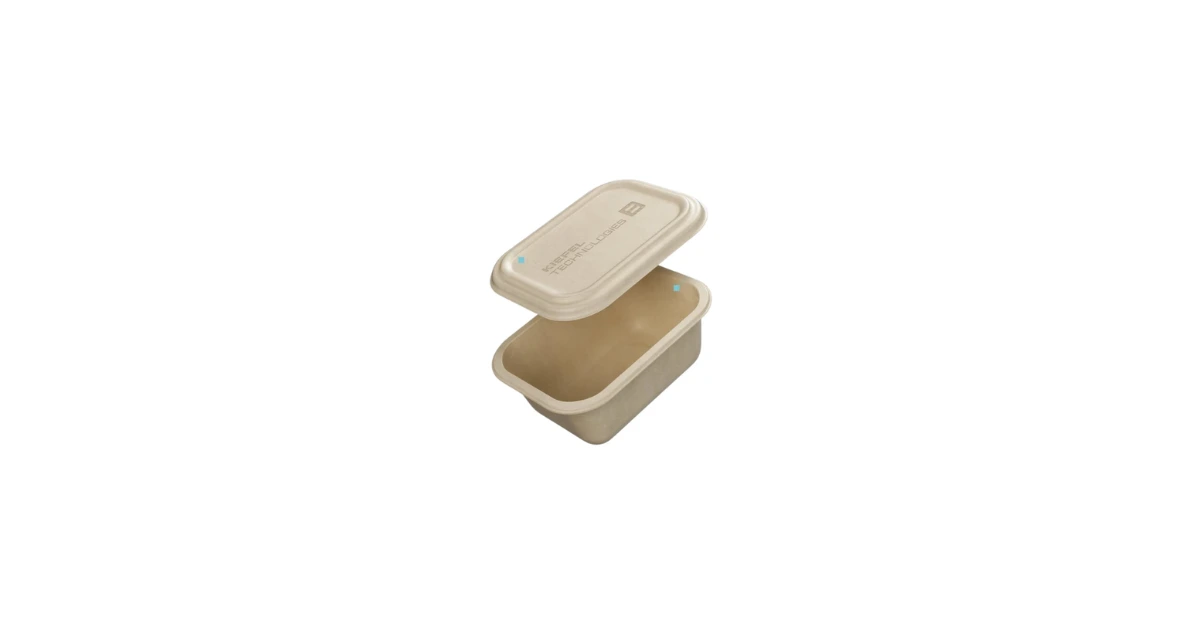
    While Wet Fiber is particularly suited for complex, deep-drawn products, Kiefel’s Dry Fiber technology provides an efficient entry into fiber processing for simpler, flatter packaging – with the most economical solution on the market. Market-ready applications such as trays, beverage lids, or technical packaging can be produced directly from roll-fed paper – an efficient process with an impressive annual output of 70 million parts or more for the most common requirements.

    Visitors to the Kiefel booth will experience both technologies working hand in hand: live and up close with a margarine tray (Wet Fiber) and matching lid (Dry Fiber), meeting barrier requirements while being fully recyclable. With both processes, Kiefel supports FMCG brands and converters in producing market-ready, sustainable packaging and unlocking new business opportunities.

    Particularly noteworthy: Kiefel has also filed several patents for process and tooling technologies that enable high-quality product forming even with simple and cost-efficient roll-fed papers.

    This makes the technology even more economical while broadening the range of raw materials available for sustainable packaging solutions. As a full system supplier, Kiefel delivers machines, tooling, automation, and material expertise from a single source – supported by strong partners across the entire value chain.

    News Courtesy: Spnews

  • Ravenwood launches new Nobac 5000PT – a new standard in Pulp Tray Labelling

    Ravenwood launches new Nobac 5000PT – a new standard in Pulp Tray Labelling

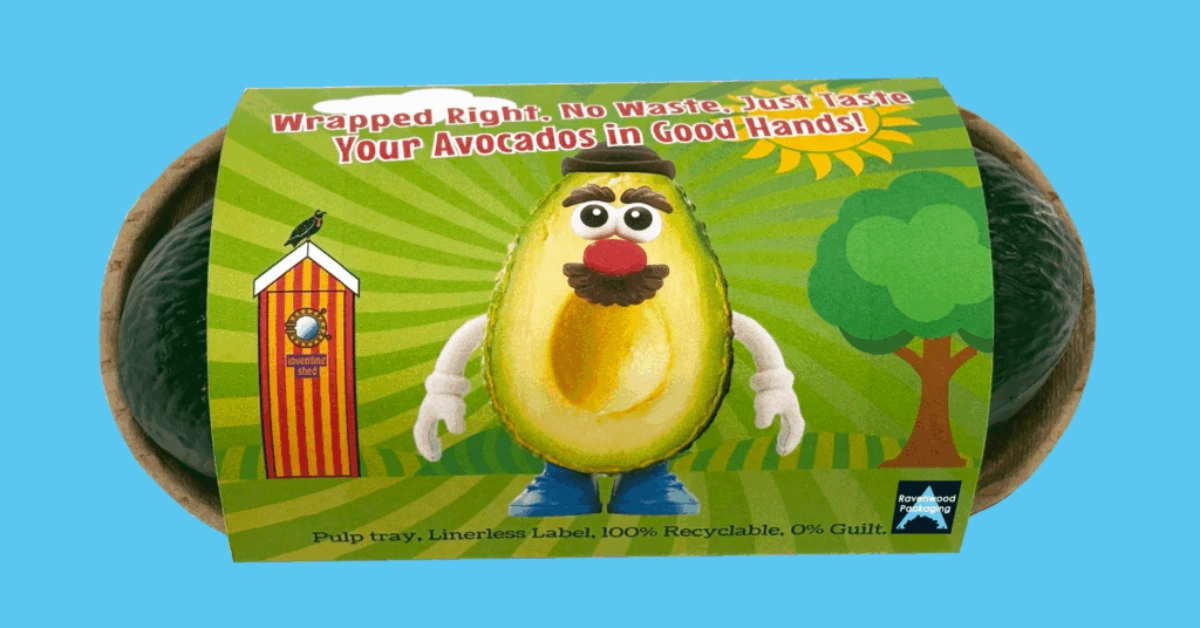
    Ravenwood Packaging is set to unveil its latest linerless innovation – the Nobac 5000PT, at Fruit Attraction 2025 in Madrid this September. Appearing alongside the Nobac 1500 and Nobac 5000L, the 5000PT is the newest addition to Ravenwood’s market-leading Nobac range, built specifically for labelling pulp trays with full-wrap, linerless labels.

    Introducing the Nobac 5000PT

    Designed to meet the growing demand for sustainable and efficient packaging, the Nobac 5000PT offers a powerful blend of performance, flexibility and eco-credentials:

    • Full-wrap linerless labelling – Delivers high-impact branding with zero liner waste
    • Supports pulp tray materials (250–300gsm) – Robust enough for tough, fresh produce environments
    • Works with various pulp tray formats – Ideal for a wide range of fruit and veg
    • Weigh-price integration compatible – Weigh, price and label in a single workflow
    • Up to 75 packs per minute – Keeps pace with high-volume production
    • Cost-effective & sustainable – Cuts waste and reduces overall packaging costs

    Why Linerless Labels for Pulp Trays?

    Pulp trays are fast becoming the go-to solution for eco-conscious produce packaging. Made from renewable and recycled materials, they are fully biodegradable, compostable and lightweight yet strong. Their natural breathability helps maintain freshness, and they’re a perfect match for Ravenwood’s full-wrap linerless labelling – combining shelf appeal with a lower environmental impact. Pulp trays for the Fruit Attraction show are manufactured by Cullen Sustainable Packaging and supplied in partnership with Produce Packaging.

    Fruit Attraction Machine Line-Up

    Visitors to Stand 8B28 can see the Nobac range in action:

    • Nobac 1500 – High-speed, cost-efficient top and/or base linerless labelling
    • Nobac 5000L – Precision linerless labelling tailored for loose produce
    • Nobac 5000PT – The latest model for full-wrap labelling on pulp trays

    Setting the Pace for Sustainable Labelling

    As demand for environmentally friendly packaging continues to rise, the Nobac 5000PT shows how brands can deliver sustainability without compromising on performance or presentation. This new development underlines Ravenwood’s ongoing commitment to innovation in linerless technology.

  • Saica Group Inaugurates Biomass Boiler in Champblain-Laveyron

    Saica Group Inaugurates Biomass Boiler in Champblain-Laveyron

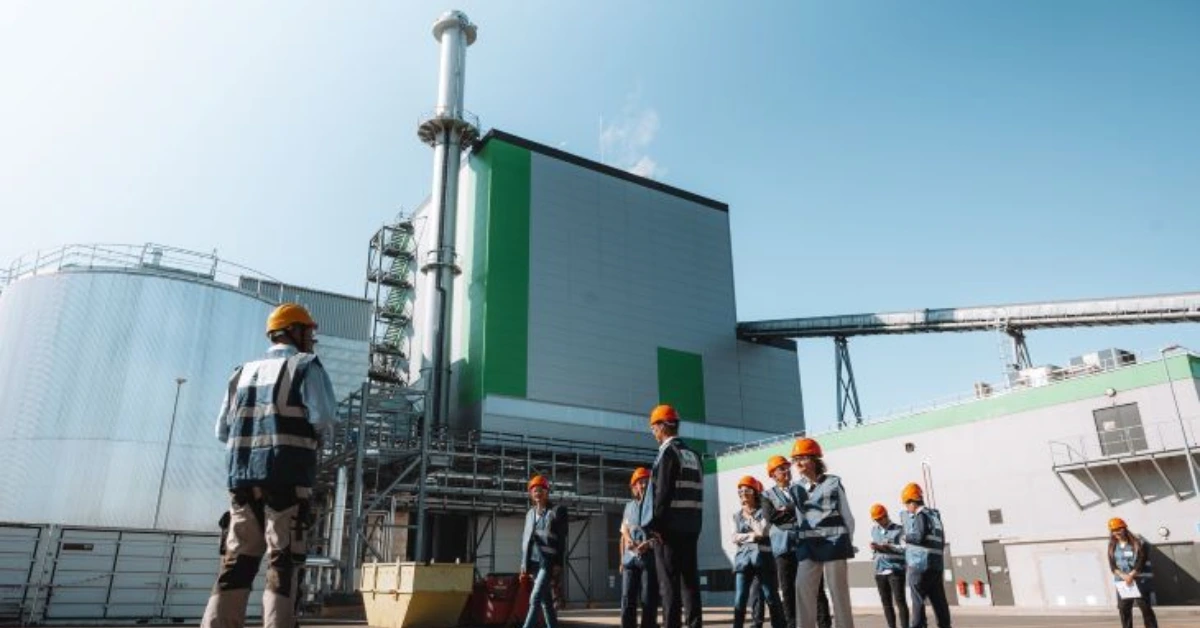
    Saica Group, one of Europe’s leading manufacturers of recycled paper for corrugated cardboard and sustainable packaging solutions, inaugurated the new biomass boiler at its Saica Paper site in Champblain-Laveyron (France). This installation marks a strategic milestone in the company’s industrial and environmental modernisation project.

    With this biomass boiler, Saica takes a decisive step toward positioning its Champblain-Laveyron site as a European benchmark in energy efficiency and environmental performance. Following similar installations in Venizel and Nogent-sur-Seine, this is the third Saica site in France to adopt this technology.

    The biomass used in the boiler consists mainly of end-of-life wood recovered locally within an average radius of less than 100 km. This choice illustrates the Group’s commitment to integrating its activity into a circular economy approach, a key pillar of Saica’s business core aimed at extending resource lifecycles and minimising environmental impact.

    Supported by ADEME as part of the 2019 BCIAT (Biomass Heat Industry Agriculture and Tertiary) programme, the installation of this biomass boiler at the Champblain-Laveyron site plays a central role in the process of manufacturing paper from materials previously sent to a technical landfill site. It supplies the steam required to dry the paper. 

    Designed to produce renewable energy, this equipment replaces the former natural gas boiler that was originally in place, significantly reducing the site’s carbon footprint and addressing the challenges posed by fossil fuel crisis.

    This installation is designed to generate renewable energy with a view to:

    • Reduce fossil fuel greenhouse gas emissions by approximately 60%.
    • Reduce natural gas consumption by 77%.
    • Reduce the amount of paper by-products sent to landfill by 90% through recovery (zero-waste-to-landfill goal), with 83% recovered directly on site.
    • Consolidate ISO 50001 certification (Energy Management).

    Saica’s biomass boiler will enable the recovery of 105,000 tonnes of end-of-life wood and 50,000 tonnes of by-products from paper manufacturing each year. 

  • Fiberdom, Kiefel partner to boost fiber packaging innovation

    Fiberdom, Kiefel partner to boost fiber packaging innovation

    Fiberdom, a pioneer in wood fiber material innovation, is entering a strategic partnership with Kiefel, a global leader in packaging machinery and molding technology, to accelerate the development and commercialization of fiber-based, fully recyclable, and home compostable packaging.

    The collaboration combines Fiberdom’s breakthrough Duranova™ material with Kiefel’s advanced dry fiber forming technology to deliver high-performance packaging solutions that can be manufactured cost-effectively with streamlined, resource-efficient processes.

    Fiberdom’s patented technology transforms FSC-certified pulp and paperboard into a durable, moldable, and fully plastic-free material, Duranova™. Already commercially proven, the material is used in 100% plastic-free, home-compostable single-use cutlery available through leading retailers and B2B wholesalers in Finland. The partnership builds on Fiberdom’s market entry with the single-use cutlery and sets the stage for expanding Duranova™’s application to new packaging formats and new markets.
     
    The partnership will initially focus on solutions that are ideally suited to dry forming technology, requiring high material strength and formability in 3D structures, as well as low weight and material efficiency. For example, certified home compostable beverage cup lids, margarine container lids, and single-use cutlery. Several market-ready applications are already possible, with final testing and fine-tuning currently underway in Kiefel’s laboratories. Here, through R&D, the scope of the technology is also being explored to identify additional applications to replace non-essential plastics with fiber-based alternatives.
  • Seaman paper launches heat-sealable recyclable packaging

    Seaman paper launches heat-sealable recyclable packaging

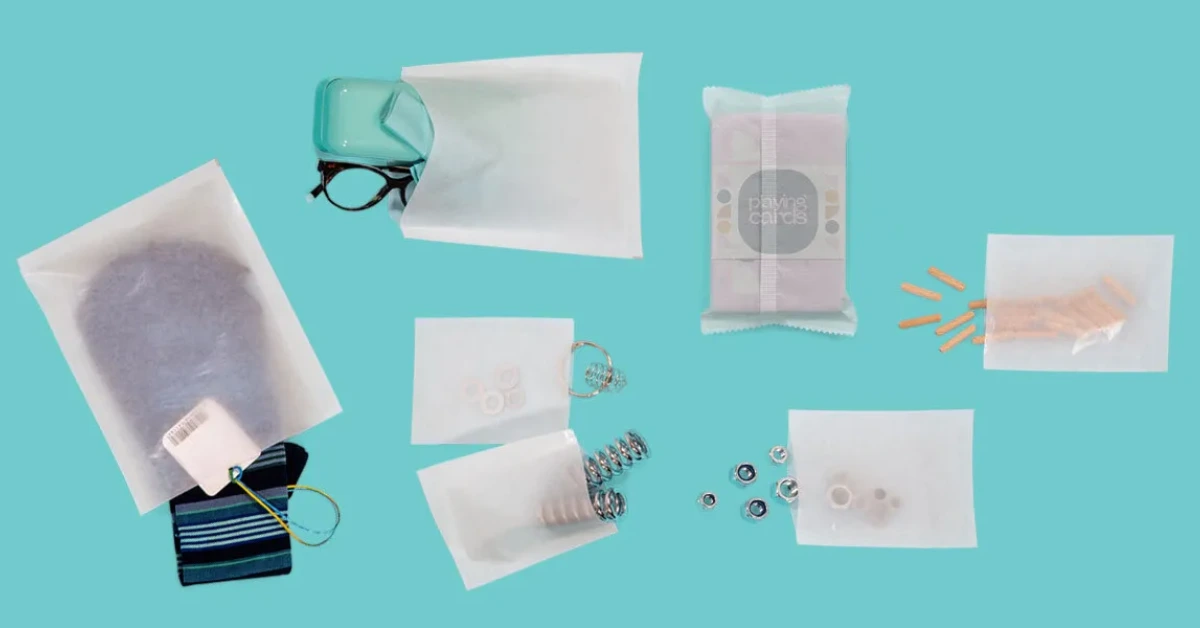
    SeamanPaper, a global leader in sustainable paper-based packaging, today announced the launch of its new line of heat-sealable, curbside recyclable paper packaging solutions.

    Designed to directly replace single-use plastic bags, these FSC™-certified (FSC™ C102652) alternatives combine sustainability, durability, and efficiency – without requiring brands to overhaul existing equipment. “Our customers are under increasing pressure to eliminate plastics while maintaining operational & functional performance,” said Dave Deger, Chief Strategy & Commercial Officer at Seaman Paper.

    “With our heat-sealable line, we’re delivering a recyclable packaging solution that integrates seamlessly with existing equipment – helping businesses and brands achieve their sustainability goals without compromise.”

    Seaman Paper’s heat-sealable solutions are available in a variety of substrates, weights, and formats designed to accommodate a wide range of applications and converting equipment. Fully compatible with most OEM form-fill-seal (FFS) and horizontal flow-wrapper equipment, the offering includes translucent, kraft, and opaque constructions, and is available in both flat sheet and heat sealable tube formats.

  • Testing strategies for PFAS-free and sustainable packaging

    Testing strategies for PFAS-free and sustainable packaging

    Chemical safety and sustainability requirements for packaging are becoming increasingly stringent in Europe with the new Packaging and Packaging Waste Regulation (PPWR), which bans PFAS in food contact materials and sets mandatory targets for recycled content in plastic packaging.

    Since recycled streams are more susceptible to contamination, the PPWR will make PFAS monitoring crucial for manufacturers developing circular packaging solutions. Demonstrating that a material is truly PFAS-free typically requires at least two complementary laboratory analyses and specialist expertise, making an experienced testing partner essential.

    Multi-method approach to capture the full extent of PFAS presence A significant practical challenge in PFAS analysis is the fact that the term covers thousands of substances that cannot all be measured individually. The PPWR addresses this by setting limits for both individual compounds and total fluorine as an indicator for total PFAS.

    News Courtesy: Spnews

  • Mondi’s paper-based CompressWrap sets new standards for Ekornes’ mattresses

    Mondi’s paper-based CompressWrap sets new standards for Ekornes’ mattresses

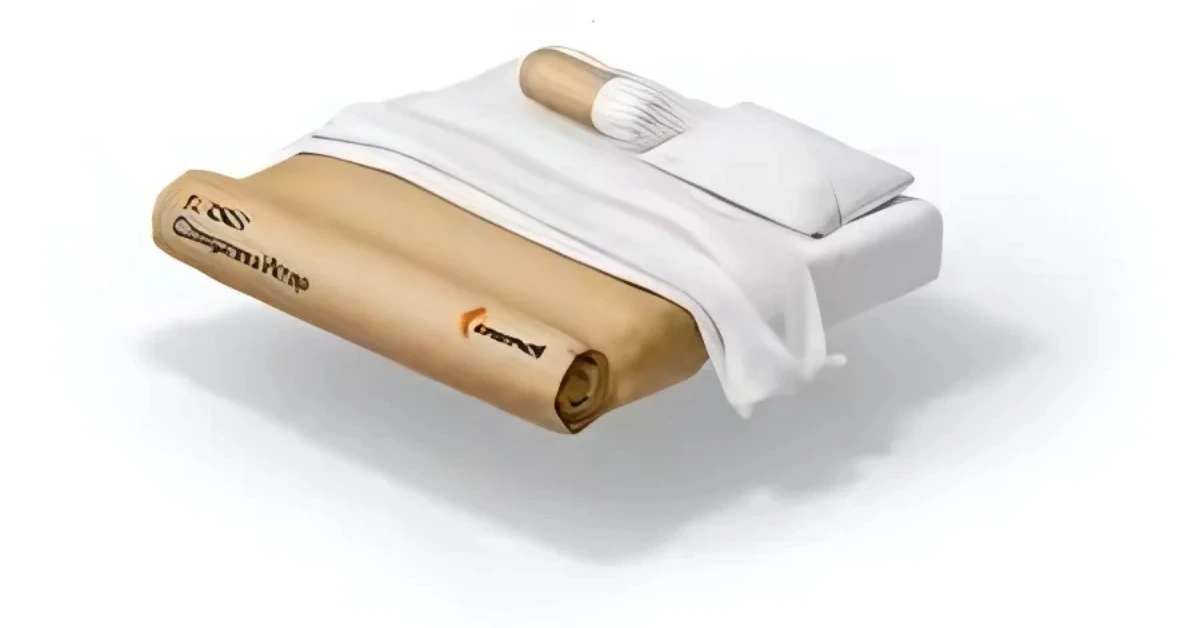
    Mondi, a global leader in sustainable packaging and paper, is partnering with Ekornes, the Nordic region’s largest furniture producer, to introduce an innovative paper-based packaging solution for wrapping high-end mattresses, replacing the previous plastic solution.

    Ekornes is using Mondi’s re/cycle CompressWrap to securely wrap its mattresses and protect them during transport. The mattress packaging consists of two components: compress wrapping and secondary packaging. For the first step, Mondi’s Functional Barrier Paper 95/5 ensures durability and vacuum sealing during the compression process thanks to its thin coating layer.

    In the second step, the compressed and rolled mattress is secured with an outer wrapper made from Mondi’s FunctionalBarrier Paper Reduce, which offers excellent sealing properties to tightly secure the high-end mattress during shipping. The new solution replaces Ekornes’ previous plastic packaging, offering an alternative that is made from fibre as renewable resource, and answering the growing consumer demand for more sustainable packaging.

    As part of Mondi’s re/cycle portfolio, the company’s FunctionalBarrier Paper range is designed for recycling according to the 4evergreen ‘Design for Circularity Guidelines’. Additionally, the new CompressWrap solution runs seamlessly on Ekornes’ existing machinery, making the switch from plastic to paper packaging both convenient and cost-efficient for the customer.