Tag: sustainable packaging

  • Wet strength paper demand rises with shift to sustainable packaging

    Wet strength paper demand rises with shift to sustainable packaging

    The rise in the use of wet strength paper in food packaging and consumer goods packaging is further fueling industry expansion.

    As environmental concerns around single-use plastics increase, the demand for eco-friendly alternatives like wet strength paper is also on the rise. The development of sustainable wet strength agents, which offer improved biodegradability and environmental performance, is helping meet the rising consumer demand for eco-friendly packaging solutions.

    These innovations are expected to accelerate the adoption of wet strength paper across industries. Key players such as Mondi Group, WestRock, Stora Enso, Canadian Kraft Paper (CKP), and Evergreen Packaging are investing in research and development to improve the performance, sustainability, and cost-effectiveness of wet strength paper.

    The growing focus on sustainable packaging solutions and the increasing shift toward paper-based packaging for food and beverage products are expected to further contribute to industry growth. As regulatory pressures around packaging materials tighten globally, the wet strength paper Market is expected to witness consistent growth through 2035.

  • Pack.Nxt 2025 Concludes with Actionable Conversations Shaping the Future of Packaging

    Pack.Nxt 2025 Concludes with Actionable Conversations Shaping the Future of Packaging

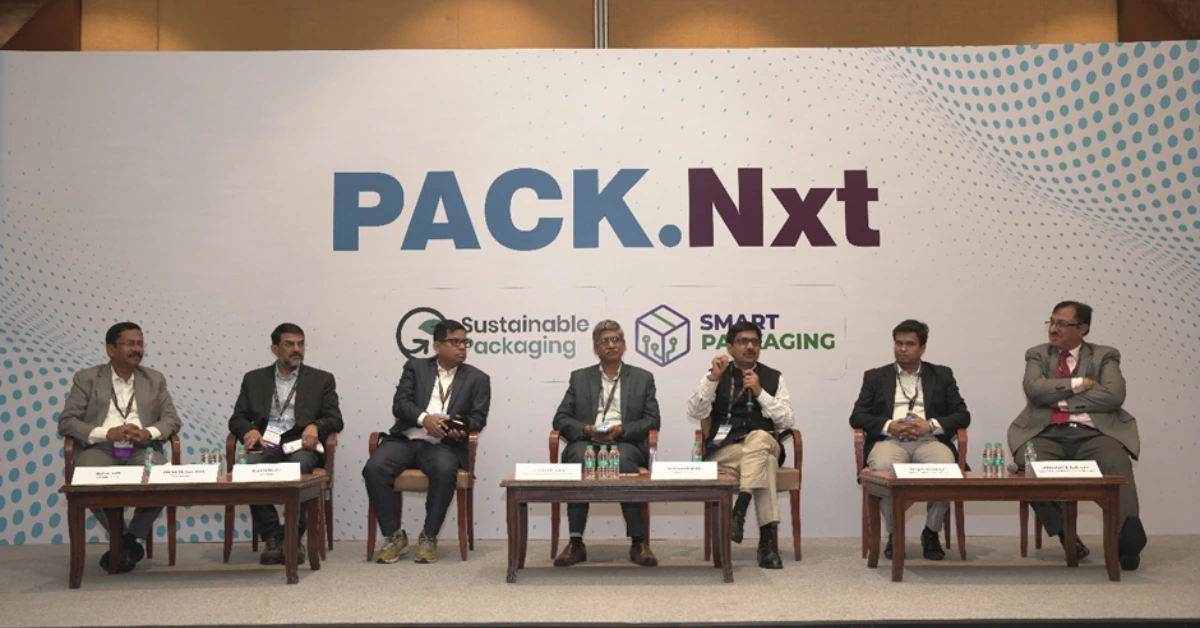
    The 3rd Edition of Pack.Nxt successfully concluded on 16 December 2025 at The Lalit, Mumbai, bringing together senior packaging leaders, brand owners, converters, policymakers, consultants, and technology enablers for a full day of honest conversations, practical insights, and real-world learnings.

    With sustainability, smart technologies, the circular economy, and regulatory readiness at the heart of discussions, Pack.Nxt once again proved why it has become a must-attend platform for India’s packaging ecosystem.

    From early-morning networking to packed conference halls and an energetic exhibition floor, the atmosphere reflected one clear sentiment: packaging is no longer just about protection and aesthetics. It is about responsibility, intelligence, and collaboration, and increasingly, about business resilience and consumer trust.

    Opening Conversations

    The day began with a powerful opening panel on Packaging at the Crossroads: Smart, Digital & Sustainable as One, moderated by Yogesh Sharma from KPMG India. Industry leaders from Flipkart, Diageo India, Shree Renuka Sugars, and the Packaging Industry Association of India discussed how digitalisation, sustainability goals, and operational efficiency must move forward together rather than in silos.

    Panelists emphasised that smart packaging and sustainability cannot be treated as parallel agendas. They highlighted how data-driven decision-making, design-for-recyclability, and digital tools are becoming essential to meet evolving consumer expectations while staying compliant and cost-conscious. The discussion reinforced a key takeaway echoed throughout the day: future-ready packaging must be both intelligent and responsible by design.

    From Circular Economy Theory to Ground Reality

    One of the most engaging sessions of the morning focused on From Theory to Practice: Circular Economy in Packaging. Moderated by Rajesh Kumar Gera, the panel featured voices from Ribotl, Cipla Health, and the Indian Centre for Plastics in the Environment.

    The conversation moved beyond buzzwords and explored what circularity actually looks like on the ground. Speakers discussed real challenges around material choices, recyclability infrastructure, procurement constraints, and scale. A key insight shared was that India’s strength lies in frugal innovation, where circular solutions must make commercial sense to succeed. Panelists underlined that circular economy outcomes are achievable only when brand owners, converters, recyclers, and policymakers work in sync rather than in isolation.

    Smart Packaging, New Materials and Data-Driven Design

    Post-break, the agenda shifted into deep dives on smart packaging technologies, new material innovations, and AI-led packaging design. Panels explored how packaging is evolving from being purely functional to becoming interactive, connected, and information-rich.

    Speakers highlighted how packaging is increasingly being viewed as valuable “real estate”- a touchpoint that can communicate authenticity, enable traceability, and engage consumers beyond the shelf. From QR-enabled interactions to smarter supply chain visibility, the discussions reflected how technology is reshaping packaging’s role across the value chain.

    Discussions on biopolymers, compostables, and recyclable laminates reflected the industry’s growing maturity in material choices. Speakers from leading FMCG and healthcare companies shared real deployment experiences, emphasising that material innovation must align with existing recycling ecosystems rather than remain limited to pilots.

    In a moment that stood out for its simplicity and impact, Mr. Gera invited the entire audience to take a pledge that they would not waste and would not allow others around them to waste. The gesture struck a chord across the room, reminding delegates that sustainability is driven not only by technology and policy, but also by everyday choices and collective accountability.

    The session on AI, IoT & Data-Driven Packaging Design drew strong interest, highlighting how data, automation, and predictive tools are already influencing packaging performance, artwork management, quality control, and operational efficiency at scale.

    Making Sustainability Affordable and Regulation-Ready

    In the afternoon, the focus turned to one of the most pressing questions for the industry: how to make sustainability affordable, scalable, and practical. Leaders from Wockhardt, Emami, Wipro Consumer Care, Godrej Consumer Products, and Polycab shared candid insights on balancing cost pressures with long-term sustainability commitments.

    Speakers stressed that affordability will be the real accelerator of sustainable packaging adoption in India, and that innovation must deliver both environmental and economic value. Collaboration with suppliers, standardisation, and long-term planning emerged as recurring themes.

    The final knowledge session on Regulatory Readiness brought together regulatory experts and industry veterans from Marico, DFM Foods, Haldiram, Amazon, Institute of Packaging, Mumbai and Food and Drug Administration, Maharashtra, to decode EPR, labelling norms, and compliance expectations. The discussion underlined the importance of proactive regulatory planning, robust documentation, and internal alignment, especially as enforcement and scrutiny continue to increase across categories.

    Pack.Nxt Awards 2025: Celebrating Purpose in Action

    The day concluded with the Pack.Nxt Awards Ceremony, recognising organisations that are not just talking about sustainability, but delivering measurable impact through technology, partnerships, and best practices.

    • Pack.Nxt Most Admired Company for Excellence in Super-Clean rPET Technology, setting new benchmarks for food-grade, bottle-to-bottle circularity in India
      Winner: Al Mehtab Industries
    • Pack.Nxt Most Promising Partnership for delivering sustainable rPET packaging with verified CO₂ reduction across (FMCG and beverage)
      Winner: Mehtab Industries × Dodhia Group
    • PACK.Nxt Most Admired Plastic Free Packaging Company
      Winner: Greendot Biopak Private Limited
    • PACK.Nxt Most Admired Company Driving Circular Economy
      Winner: Saspack Ventures Pvt. Ltd.
    • PACK.Nxt Most Admired Recyclable Packaging Company
      Winner: Thakkar Flexipack Private Limited
    • PACK.Nxt Most Admired Company Driving Best Practice in Sustainability
      Winner: Eternal Limited

    Each award told a story of innovation, credibility, and commitment, reinforcing the idea that sustainable packaging is no longer aspirational. It is achievable, scalable, and business-relevant.

    Looking Ahead

    Pack.Nxt 2025 closed with renewed energy, stronger connections, and a shared belief that the future of packaging lies in thoughtful design, smart technology, regulatory preparedness, and collective action. As packaging continues to evolve at the intersection of sustainability, intelligence, and policy, Pack.Nxt will remain a platform where ideas meet execution. The conversations don’t end here. They begin here.

  • Saica Group expands Spain recovery network with FCC Ámbito deal

    Saica Group expands Spain recovery network with FCC Ámbito deal

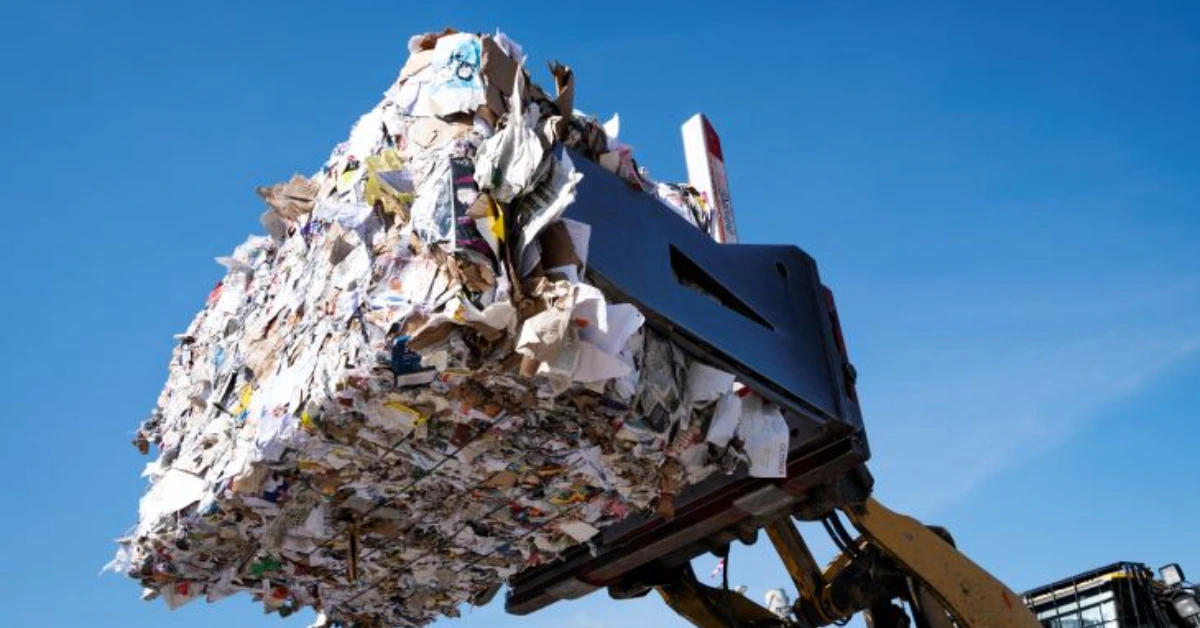
    The Saica Group has acquired the paper and corrugated board recovery business of FCC Ámbito, a subsidiary of FCC enviro, enabling the company to expand its recovery network in Spain with the addition of the territories of Madrid and the north and west of the peninsula.

    The transaction was carried out by Saica Natur, the group’s waste management and environmental services division. The main activity of the acquired business consists primarily of the recovery of paper and cardboard and other non-hazardous industrial and commercial waste.

    Saica thus takes over the activities carried out by this FCC Ámbito business at its plants in Madrid, Cáceres, Valladolid, Asturias, Vizcaya, León, and Toledo. These plants employ more than 150 people and in 2024 their turnover amounted to €33 million.

    “This is a strategic step that consolidates our presence in Iberia. We are delighted to extend a warm welcome to everyone at FCC Ámbito, as well as to the new customers and partners joining the Saica Group. This operation allows us to add a highly qualified team with recognized prestige in the sector, strengthening our value proposition for customers in the Iberian Peninsula,” said Susana Alejandro, President and CEO of the Saica Group.

    For Íñigo Sanz, CEO of FCC enviro, “this transaction is very satisfactory and is part of our policy of asset rotation and optimization to maximize shareholder value and focus on our development strategy. ”Following this acquisition, Saica Natur now has 47 plants, 36 of which are in Spain and the rest in France, Portugal, the United Kingdom, and Poland. In addition, the total workforce of this business unit has grown to over 1,700 employees.

  • PRIMA Group

    PRIMA Group

    Interview with Dr. Pritesh M. Shah, Chairman, PRIMA Group.
    Guided by responsibility, safety, innovation, and integrity, we engineer reliable environmental monitoring solutions that help create cleaner industries and a more sustainable future.

    PaperDesk : What motivated the foundation of Prima Equipment in 1992 and how has the company’s mission evolved since then?

    Pritesh M. Shah : Prima Equipment was founded in 1992 with a clear purpose—to develop reliable, indigenous environmental monitoring systems for Indian industries. At that time, industries were heavily dependent on imported instruments that were expensive, difficult to service, and not built for Indian tropical conditions. I saw the need for technology that was engineered, manufactured, and supported locally.

    From our earliest days, our focus was on building instruments that industries could trust through all conditions. Over time, our mission expanded from providing reliable measurement systems to delivering complete, intelligent environmental ecosystems that support long-term sustainability. Today, we work to ensure our customers progress from meeting compliance to enabling responsible, sustainable industrial growth. Our core belief remains unchanged: “Only with clean environment & intentions, rises a clean great nation.”

    PD : How do the company’s core values around environment, safety and innovation influence operations and strategy?

    PMS : Our values guide every aspect of our business—environmental responsibility, industrial safety, innovation rooted in self-reliance, and integrity. These principles shape how we design products, conduct research, train teams, and deliver services.

    Environmental monitoring is not just technology; it is responsibility. Our commitment to accuracy, reliability, and ethical engineering ensures that every decision we make contributes to cleaner industries, safer workplaces, and a more sustainable future.

    PD : Could you highlight a few key milestones that shaped Prima’s growth?

    PMS : Several milestones shaped our journey. In the late 1990s, we developed India’s first indigenous Continuous Emission Monitoring System designed specifically for Asian tropical conditions. As industries evolved, we were among the first to incorporate IoT in environmental monitoring. We established a 39,000 sq. ft. integrated manufacturing and R&D facility that consolidated design, electronics, firmware, mechanical engineering, and calibration under one roof. One of our proudest achievements has been earning global certifications such as QAL-1 compliance under EN 14181 & EN 15267-3 and, more recently, the MCERTS certification in 2025. These recognitions validated our commitment to engineering excellence and demonstrated that Indian technology can surpass global benchmarks.

    PD : What are the primary product categories offered by Prima and how do they serve industrial clients?

    PMS : Prima offers a comprehensive portfolio that includes Continuous Emission Monitoring Systems, Ambient Air Quality Monitoring System, Occupational Safety and Health monitoring instruments, Process Gas Analyzers, Fuel and Efficiency Monitoring instruments, and Industrial Quality Control analyzers. Our systems help industries ensure compliance, improve operational transparency, safeguard workers, and optimize energy and resource usage. By offering reliable, high-accuracy data, we help industries transition confidently from compliance-driven operations to sustainable practices.

    PD : How does Prima ensure that its instruments meet international standards and certifications?

    PMS : We follow stringent testing frameworks aligned with EN, CE, IEC, and ISO-based quality systems. Every instrument undergoes comprehensive endurance checks, drift testing, EMC verification, vibration analysis, and ISO-traceable calibration. These measures ensure global-level performance and long-term stability. For us, certification is not a requirement—it is a responsibility to our customers and to the environment.

    PD : What are the technology challenges in designing monitoring systems for harsh industrial conditions?

    PMS : Industrial environments in India and Asia present unique challenges—high humidity, monsoon exposure, corrosive gases, dust-heavy processes, temperature fluctuations, and unstable power conditions. Imported systems often fail because they are not designed for such variables. Our systems are engineered specifically for these realities. We use corrosion-resistant materials, robust electronics, drift-stable optics, enhanced thermal control, and advanced algorithms to ensure measurement integrity. Reliability is the first step toward sustainability, because only a reliable system can support environmental accountability.

    PD : How does Prima’s in-house design and manufacturing model contribute to product quality?

    PMS : In-house design gives us full control over quality—from firmware and electronics to mechanical engineering, calibration, and field simulation. This ensures consistency, faster innovation cycles, and the ability to customize solutions for industry-specific requirements. The result is equipment that performs reliably across diverse industrial conditions for many years.

    PD : Which end-industries constitute your major customer base?

    PMS : We serve a wide range of sectors—including power generation, cement, iron and steel, pulp and paper, pharmaceuticals, chemicals, waste-to-energy, and agro-processing industries.

    Each industry has distinct operational demands, and our solutions are designed to integrate seamlessly into these varied environments.

    PD : How is Prima innovating its offerings to stay ahead of compliance demands?

    PMS : We innovate proactively, not reactively. Our systems incorporate IoT-driven remote monitoring, intelligent diagnostics, automated calibration, predictive maintenance insights, and modular upgrades.

    These technologies help industries stay ahead of regulatory changes and improve both environmental and operational performance.

    PD : Can you share an example of a customized monitoring solution delivered by Prima?

    PMS : A chemical plant approached us with demanding conditions—high moisture, acid mist, fluctuating gas levels, and corrosive fumes. Their imported analyzers faced repeated failures. We engineered a specialized solution using SS316L components, temperature-stabilized optics, advanced gas-filter algorithms, and anti-condensation safeguards. The system delivered stable, high-accuracy performance over sustained periods. This success demonstrated how robust engineering directly supports sustainable compliance for industries operating in extreme conditions.

    PD : How has Prima scaled its manufacturing and export operations?

    PMS : Our integrated manufacturing campus, combined with export-ready design architecture, has allowed us to scale seamlessly. With strong in-house R&D, a disciplined production methodology, and globally compliant systems, we have transitioned from serving local industries to becoming a trusted global supplier.

    PD : What are Prima’s key competitive advantages?

    PMS : Our biggest strengths are indigenous innovation, engineering tailored for tropical conditions, a strong service network, ISO-traceable calibration practices, and reliable long-term performance. We promise reliability—and reliability is the foundation of sustainability in industrial environments.

    PD : How do you ensure reliability and uptime for your customers?

    PMS : We ensure this through nationwide service teams, remote diagnostics, preventive maintenance programs, pre-stocked spare parts, and fast response on-site support. When industries depend on real-time data to meet their environmental obligations, continuous uptime becomes critical—and we take that responsibility seriously.

    PD : How do you integrate digital monitoring and analytics into your systems?

    PMS : Digitalization is transforming environmental monitoring. Our platforms offer cloud dashboards, mobile access, predictive alerts, automated compliance reports, and secure data redundancy. By converting data into actionable insights, we help industries make informed decisions that enhance both reliability and sustainability.

    PD : For CEMS, what critical variables must your equipment reliably handle?

    PMS : A CEMS must handle high temperatures, dust loading, moisture, acid fumes, fluctuating velocities, and variations in gas concentrations. These complexities make reliability essential. A system that cannot manage these variables cannot support sustainable environmental management.

    PD : What is the role of calibration and traceability?

    PMS : Calibration defines accuracy and credibility. We maintain strict ISO-traceable calibration environments, monitor drift behavior, and ensure regular re-certification cycles. Sustainable compliance begins with data integrity—and data integrity begins with calibration.

    PD : What are Prima’s growth plans for the next 3–5 years?

    PMS : We plan to expand across more than 15 international markets, introduce AI-integrated monitoring systems, strengthen our digital platforms, and enter new sectors such as green hydrogen, bio-energy, and advanced waste processing. Sustainability will be the guiding principle for all future developments.

    PD : How are sustainability and circular economy principles shaping your roadmap?

    PMS : We are committed to long-life components, low power consumption, modular upgradability, remote monitoring, and minimal consumables. These principles reduce environmental footprint and support long-term sustainability—both for industries and for us as manufacturers.

    PD : Are there collaborations you are exploring?

    PMS : Yes. We are exploring collaborations with global technology partners, academic institutions, international laboratories, and certification bodies. These partnerships will help us bring advanced, globally aligned technologies to industries in India and abroad.

    PD : How does Prima implement environmental responsibility in its operations?

    PMS : We apply environmental responsibility internally through energy-efficient operations, waste reduction, water conservation, and internal emissions monitoring. Sustainability must be practiced within the organization before it is offered to the world.

    PD : Recent awards or recognitions?

    PMS : Our MCERTS certification in 2025, our distinction as the world’s only QAL-1 compliant CEMS manufacturer under EN standards, and recognition as the “Most Trusted Indian Brand” have been significant milestones. These achievements reaffirm our commitment to engineering excellence.

    PD : How has the company adapted to global trends?

    PMS : By integrating real-time digitalization, auto-diagnostics, rugged system designs, advanced optics, and remote support tools. Our goal is to help industries evolve from reactive compliance to proactive sustainability.

    PD : Upcoming launches or announcements?

    PMS : We will soon be introducing next-generation digital CEMS, AI-powered predictive platforms, and an expanded international portfolio. These advancements will further connect reliability with sustainability across global markets.

  • Sustainability in Packaging: How HEIDELBERG is driving paperization

    Sustainability in Packaging: How HEIDELBERG is driving paperization

    The packaging industry is undergoing a profound transformation. Innovation in sustainable production is no longer optional but essential.

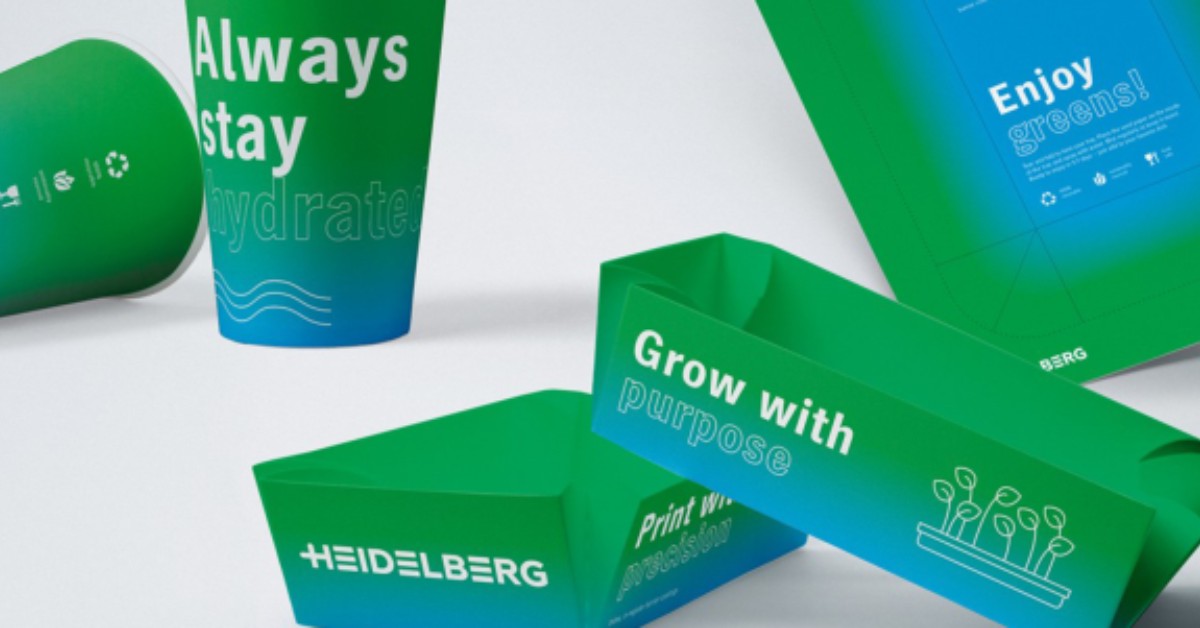
    At HEIDELBERG, we see this shift as an opportunity to lead the way toward a more sustainable future. One of the most impactful trends driving this change is paperization: replacing plastic with fiber-based materials wherever possible, which also makes sense when considering commercial aspects.

    Why paperization matters

    Paper-based packaging offers clear advantages over plastic alternatives

    • It’s made from renewable resources, supporting responsible forestry and reducing dependency on fossil-based materials.
    • It decomposes naturally, minimizing long-term environmental impact.
    • It enables efficient recycling processes with significantly higher recovery rates compared to plastic.
    • It is adaptable and versatile, meeting diverse storage and transportation requirements without compromising performance.

    These benefits make carton board a cornerstone of the circular economy and a key enabler of sustainable packaging solutions.

    Innovation through collaboration

    To make paperization viable at scale, barrier coatings play a critical role. These coatings protect packaged goods without relying on plastic films. HEIDELBERG has partnered with Solenis to develop and process advanced water-based barrier coatings inline precisely and only where needed. This approach minimizes material use, reduces waste, and helps converters meet sustainability targets without compromising performance.

    Key technological advances

    Over the past five years, HEIDELBERG has introduced innovations that make fiber-based packaging more efficient and cost-effective:

    • Non-stop operation with Boardmaster and Intellimatch for maximum productivity.
    • Digitized flexo plate setup for automated pressure adjustment.
    • Significant reduction of changeover waste.
    • Efficient drying of water-based inks for eco-friendly printing.
    • Inline application of barrier coatings in register, using DOD units and interdeck dryers.

    These solutions enable converters to produce high-quality, sustainable packaging while optimizing resources.

  • MetsäBoard Pro FBB Bright paperboard selected for SALT! Supplements’ innovative packaging

    MetsäBoard Pro FBB Bright paperboard selected for SALT! Supplements’ innovative packaging

    SALT! Supplements, founded by athletes Alfonso Iovine and Kim Connor Streich, set out to create hydration products that meet the needs of sportspeople seeking effective and appealing solutions. For their latest electrolyte stick sachets, the brand sought packaging that would deliver a premium experience from the opening moment.

    To achieve this, print production agency COUSIN appointed packaging design company Burgopak to develop a solution that balances visual impact, practicality, and shipping efficiency. Burgopak’s team selected their proprietary Coupe pack, designed to minimize dead space. It presents the 15 supplement sticks at an angle they lie staggered for a visually engaging display.

    The materials and design were optimised for efficient material use and practical strength. The pack’s dimensions were optimized to meet Royal Mail’s large letter requirements, helping to reduce shipping costs and environmental impact.

    A key element of the packaging is the use of MetsäBoard Pro FBB Bright, a high-quality paperboard produced by Metsä Board. This material was chosen for its performance and value, supporting the project’s goals for both product protection and responsible sourcing.

    Burgopak’s Head of Wellness Alexander Parker: “We operate an international supply chain, giving us access to a wide range of materials, from conventional paperboards to specialist stocks. To ensure efficiency, we have a curated list of preferred materials in each region that meet our standards for performance, value and sustainability. In Europe, one of these key materials is MetsäBoard Pro FBB Bright.”

    Metsä Board’s SVP, Commercial Operations Erja Hyrsky: “We are pleased that MetsäBoard Pro FBB Bright was selected for this project, supporting brands and designers in delivering packaging solutions that meet the highest standards for quality.” Burgopak’s Creative Director Dane Whitehurst: “Every detail, from the angled sachet presentation to the optimised dimensions for Royal Mail shipping, balances visual engagement with cost-effective practicality.”

    COUSIN’s Development Director Lee Godwin: “We’ve worked with the Burgopak team in the past and knew they would be the perfect partner for this project. It was a seamless collaboration and the packaging wholly reflects the quality of the product inside.”

    SALT! Supplements Co-Founder Alfonso Iovine: “It was essential that the packaging would be both appealing and functional for sportspeople. The feedback we’re receiving is very positive and we’re excited about supporting as many athletes as possible to reach peak performance.”

  • Mondi, Voith start recycled containerboard machine at Duino

    Mondi, Voith start recycled containerboard machine at Duino

    The scope of supply by Voith includes a tailor-made package ranging from stock preparation to winder section, as well as service agreements and a clothing package. Once fully ramped up, the paper machine will produce 420,000 tons of high-quality recycled containerboard.

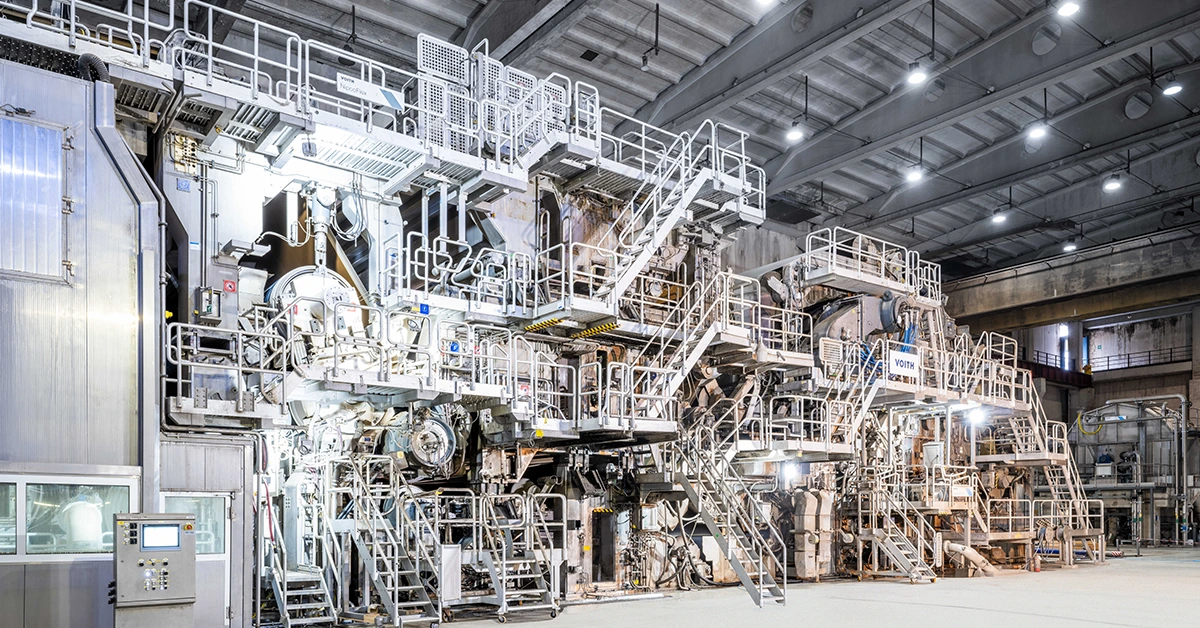
    Full-line supplier Voith has supported Mondi to start up its state-of-the-art recycled containerboard paper machine in Duino, Italy, on schedule. Mondi is a global leader in the production of sustainable packaging and paper. Once fully ramped up, the machine will produce 420,000 tons of high-quality recycled containerboard annually. The mill’s product portfolio includes waste-based fluting, starting with 80 gsm, testliner from 90 gsm upwards, and paper reels from 0.95 m to 3.35 m on Mondi’s widest recycled paper machine. 

    Voith delivered a customized solution comprising a BlueLine stock preparation system, the conversion of the existing machine into an efficient XcelLine paper machine, as well as service agreements and a clothing package. The project also included the rebuild of the existing winders for processing containerboard.

    The customized package covers the entire process from stock preparation to the winder. The Voith solution optimizes resource utilization through highly efficient production. The BlueLine stock preparation system enables consistent, high stock quality with optimized fiber yield and low energy consumption. An IntensaPulper with a TwinPulp detrashing system ensures efficient stock pulping. Another highlight is Voith’s InfiltraDisc filter for optimum drainage. 

    The paper machine has been equipped with state-of-the-art technologies, including a MasterJet Pro headbox, a proven DuoFormer CBv shoe-blade former, a DuoCentri NipcoFlex press, a SpeedSizer AT for uniform film application, and a MasterReel for high-performance winding. The rebuild of the existing VariTop winder significantly increases the efficiency and productivity of the entire line.

    In addition to a service and clothing package, Voith supplied and installed OnControl automation technology (DCS & MCS) for controlling and visualizing the production processes. Furthermore, the OnQuality quality control system (QCS) including ModuleJet, ModuleSteam, and ModulePro actuators and scanners for basis weight and moisture, as well as the OnView information system, were installed. These optimize product quality and stabilize the production process. 

    The successful project collaboration demonstrates Voith’s expertise and reliability as a full-line supplier in the industry and, together with Mondi, stands for efficient and sustainable paper production.

  • Tetra Pak launches paper-based barrier for juice packaging

    Tetra Pak launches paper-based barrier for juice packaging

    Tetra Pak, in collaboration with García Carrión, today unveiled the first-ever use of its paper-based barrier technology for juice packaging.

    This innovation in sustainable food packaging solutions marks a significant step towards reducing reliance on fossil-based materials, with the new packaging material now being rolled out across multiple markets.

    World-first aseptic carton with paper-based barrier for the juice category

    Tetra Pak, together with leading Spanish beverage producer García Carrión, has launched the Tetra Brik® Aseptic 200 ml Slim Leaf carton featuring a paper-based barrier for juice, under the flagship Don Simón brand. This is the first juice portion pack globally to use the innovative barrier and the first such package available in Spain. 

    Made with up to 80% paper, the packaging reinforces its sustainability credentials. The combination of the paper-based barrier with plant-based polymers used in the packaging material coatings, pushes the renewable content to a remarkable 92%, while reducing the carbon footprint by 43% compared with an aseptic package that uses aluminium foil layer and fossil-based polymers, as verified by the Carbon Trust1

    “We are proud to lead the way in sustainable packaging for the juice category. For more than 135 years, García Carrión has been committed to responsible innovation and respect for the environment,” said Don José García Carrión, President of García Carrión. “This innovation supports our mission to reduce environmental impact while offering high-quality products to our consumers”, added Fala Corujo, Vice President of García Carrión.

    For García Carrión, this packaging solution represents a new industrial application of its 360° Sustainability Strategy, recognised with the Factories of the Future Award 2024 for Excellence in Sustainability and Circular Economy. 

    Tatiana Liceti, Executive Vice President, Packaging Solutions at Tetra Pak commented: “This launch represents a significant step in our journey towards fully renewable and recyclable packaging. By working closely with our customers, we’re proving that sustainable innovation can scale across markets and categories, while ensuring packaging retains its functionality and quality.”

  • Sabert leads the way with high-performing no intentionally added PFAS pulp packaging

    Sabert leads the way with high-performing no intentionally added PFAS pulp packaging

    Sabert Corporation Europe is proud to launch its new fully home compostable and recyclable foodservice packaging range. Made from renewable plant-based resources, the range is free from intentionally added PFAS and fully compliant.

    Reflecting Sabert’s ongoing commitment to innovation, the new ranges have been developed and validated over time to deliver the performance customers expect. “We chose to take our time rather than rush to market,” explains Alex Noake, Senior Vice President and Managing Director for Sabert Europe. “Most ‘PFAS free’ solutions we’ve tested simply haven’t performed and we have been inundated with requests from customers who continue to see Sabert as credible pulp innovators. We confidently offer pulp packaging that’s food safe, home compostable, recyclable and reliable in demanding foodservice and retail environments.”

    “In the foodservice market, pulp packaging with no added PFAS options have faced performance challenges, a gap Sabert’s new ranges are designed to close,” Noake adds: “Just recently I was served an Asian-fusion meal in a pulp tray lined with greaseproof paper, a clear sign the bagasse tray itself wasn’t up to the job. The result was predictable. the paper became soggy, tore apart, and mixed with the food, undermining both the dining experience and the environmental intent. Worse still, many of those greaseproof liners still contain PFAS, completely defeating the purpose of using a ‘PFAS free’ base in the first place. Our goal was to avoid those compromises entirely by developing solutions that perform flawlessly without needing additional packaging or shortcuts.”

    To align with new regulatory requirements, Sabert has evolved its entire pulp portfolio into the HC (home compostable) range. Building on this foundation, Sabert introduced Pulp Ultra, a next-generation, no-intentionally-added-PFAS formulation that meets both legislative standards and customers’ expectations for superior strength and heat resistance. This will be available early next year. Together, these ranges give customers a choice between a standard home-compostable option and an ‘Ultra’ high performance solution, both of which meet Sabert’s rigorous quality standards.

    Be ready for upcoming European regulation

    “At Sabert, we take food safety to heart,” says Sabert Quality Environment, Health & Safety Manager Isabelle Ernotte. “Every product we make is rigorously tested to comply with food safety standards. Our commitment is to help customers transition responsibly and confidently as new legislation comes into effect.”

    Sabert’s existing pulp ranges containing PFAS substances remain fully compliant and safe for use, meeting all current UK, European and national food-contact regulations. From 12 August 2026, Regulation (EU) No 40/2025 on packaging and packaging waste (PPWR) introduces new measures, including Article 5(5) paragraph 5, of Regulation (EU) No 40/2025 which restricts and introduces limits on the presence of per- and polyfluoroalkyl substances (PFAS), often referred to as ‘forever chemicals’ due to their persistence in the environment and the human body. Sabert’s new solutions help customers to stay ahead of these changes with products that already meet the next generation of sustainability standards.

    Sabert has over 40 years’ experience in providing innovative, value-added products to the highest quality standards, supported by outstanding customer service,” concludes Noake. ”Our mission is to offer our clients the best guarantees in terms of quality, safety and service, so talk to us to ensure you are choosing the most appropriate foodservice packaging or if you would like to better understand the potential impact of upcoming legislation.”

  • Future proofing sustainable packaging at Mondi Dynäs

    Future proofing sustainable packaging at Mondi Dynäs

    Mondi Dynäs is undergoing a major transformation with a multi-year investment including a new fibre line, continuous digester, bark boiler, bark dryer and tall oil plant. These upgrades will support the long-term competitiveness and operational stability of the mill, energy efficiency and environmental performance.

    The new bark boiler will significantly cut fossil fuel use, while the digester will improve energy and water management. The world’s strongest paper, officially recognised by the Swedish edition of the Guinness World Records, is now even stronger thanks to our new digester, which further helps to improve the strength properties of our paper. This means we are able to meet increasing customer demands for innovative kraft paper solutions. 

    This project at Dynäs enables us to build a more agile business and drive Mondi’s future growth by increasing capacity, strengthening our competitive position in the market with reduced carbon emissions and improved resource efficiency, creating lasting value for our customers. 

    A major milestone for the fibre line 

    In May 2025, the project reached a key milestone with the successful launch of the new fibre line during the mill’s annual maintenance shutdown. This included the start-up of the new continuous digester, a critical step in improving pulp quality and reducing energy use. 

    Managing complexity while keeping operations running 

    Despite the mill’s limited space, the team has kept operations running with minimal disruption. Careful planning and close coordination have been essential, especially during the construction phases that brought up to 650 people on site, an increase of more than 50% compared to the usual number of employees on site. Safety has remained central throughout this large-scale project. Despite the additional people on site and complex construction activities, the team recorded only seven Recordable Cases. This strong outcome was supported by a simple but effective approach to on-site monitoring based on the “boots-on-the-ground” principle.  

    Supporting the Local Community 

    The project is also an investment in the local community of Kramfors. It supports job security and promotes innovation, helping to build a more sustainable future for the region, as well as for Mondi