Tag: Paper Manufacturing

  • ANDRITZ to supply two production lines for Koro Viet Nam’s entry into the tissue market

    ANDRITZ to supply two production lines for Koro Viet Nam’s entry into the tissue market

    Koro Viet Nam Tissue Paper Joint Stock Company has awarded international technology group ANDRITZ a contract to supply two tissue production lines for its mill in Thanh Hoa Province, Vietnam, supporting the company’s entry into the tissue market.

    The value of the order will not be disclosed. It is included in ANDRITZ’s order intake for the fourth quarter of 2025.

    Designed for efficient, high-speed production of premium toilet, napkin, handkerchief, and facial tissue, the new lines TM5 and TM6 feature a paper width of 3,650 mm and a maximum operating speed of 1,650 m/min, with a daily design capacity of 104.2 t/d each. The lines will process pre-dried virgin pulp to deliver products with a basis weight range of 11.5–32.0 g/m².

    ANDRITZ’s supply includes complete stock preparation with a PrimeRefine HC T high‑consistency refining system, approach flow, fiber recovery, and broke systems, two PrimeLineCOMPACT M 1600 tissue machines, and full automation. These technologies reduce long‑fiber consumptionand energy use while boosting operational efficiency and ensuring consistently high paper quality. 

    This order continues nearly two decades of cooperation with Mr. Ngo Huu Phuong, Chairman of Koro Viet Nam Tissue Paper. ANDRITZ most recently supplied a 500 t/d OCC/PMA line for Koro’s PM2 packaging paper line in July 2025. 

    With this order, ANDRITZ adds its sixth and seventh tissue machine references in Vietnam, and underlines its leading market position reflecting growing regional demand for high-efficiency and sustainable production technologies.

    Mr. Ngo Huu Phuong commented: “This project marks our first step into tissue production, a milestone in our company’s development. ANDRITZ’s excellent support during our previous projects, coupled with its proven know-how and advanced technologies, has given us full confidence to choose ANDRITZ as our partner for this venture. We are convinced these solutions will lay a solid foundation for our long-term success in the tissue market.”

    Mr. Shi Wei, Senior Vice President of Paper & Textile, APAC Region, ANDRITZ, said: “We are honored to support Koro Viet Nam in this milestone project and look forward to continuing our long-standing partnership. This order reinforces our position as a leading supplier of tissue machinery in Vietnam.”

    Viet Nam Koro Paper Joint Stock Company specializes in the production of core paper. The company aims to become a leader in specialty paper products in Vietnam and to export its products worldwide. Recently, Koro has invested in high-quality low GSM medium paper and tissue paper production to deliver premium product quality. This is why the company chose ANDRITZ, a technology leader in the pulp and paper industry. The board of directors consists of professionals with extensive experience in the paper industry. Koro Viet Nam Tissue Paper Joint Stock Company, a subsidiary of Viet Nam Koro Paper Joint Stock Company, was established to support the group’s expansion into the tissue market.

     
  • New 500 TPD Special Paper Mill Launched in UAE

    New 500 TPD Special Paper Mill Launched in UAE

    They are excited to announce the launch of our new project. New Special Paper Mill with a production capacity of 500 tons per day (TPD) in UAE.

    This state-of-the-art facility marks a significant milestone in our growth journey and reinforces our commitment to innovation, quality, and sustainability in the paper industry. The mill will be equipped with advanced technology to manufacture a wide range of high-quality special papers designed to meet evolving market demands across diverse industries.

    They look forward to the opportunities this project brings and to continuing our journey of excellence with the support of our partners, customers, and stakeholders. Further updates regarding commissioning timelines and product availability will be shared shortly.

  • Sappi Selects ABB Fiber Measurement to Modernize Dutch Mill

    Sappi Selects ABB Fiber Measurement to Modernize Dutch Mill

    ABB’s L&W Fiber & Freeness Online integrated into Sappi’s papermaking process for greater productivity, energy and resource efficiency

    The advanced solution enables better visibility into pulp quality, optimizing control and refining for on-specification outputs. Sappi Maastricht paper mill is renowned for its heritage of innovation and resilience as it reaches its 175th anniversary

    Global paper producer Sappi has commissioned ABB’s fiber measurement technologies to enhance energy efficiency and increase productivity and profitability at its Maastricht mill in the Netherlands. ABB’s L&W Fiber & Freeness Online is an industrial hardware solution that provides accurate and continuous fiber morphology measurement and freeness at the wet end of the paper production process.

    It has been deployed at the Dutch mill to stabilize pulp quality at the stock preparation, controlling and refining stage. This results in better runnability on paper, board or tissue machines, helping make more on-specification product at lower cost.

    Machine operators at the mill have greater visibility into the batch process for producing microfibrillated cellulose (MFC), more accurately controlling the properties end-customers have requested. Such monitoring has consistently proven to be reliable in better predicting how the materials behave when online in the machine. This ensures high quality, on specification of the pulp mix/fibers through the wet end of the paper machine.

    The mill, which has reinvented itself numerous times over the years, recently switched to the production of luxury packaging cardboard after anticipating the shrinking market for graphic paper1. It now includes high-end retailers, magazine publishers and packaging converters in its customer base.

    “Papermakers strive for consistency at every stage of their process, predictable outcomes to meet customer specifications,” said Wilson Monteiro, Global Business Line Manager for Pulp, Paper & Fiber, ABB’s Process Industries division. “Sappi is making papers for the luxury market at Maastricht and wants to achieve the right quality, neither under nor over processed. ABB’s L&W Fiber Freeness Online is a tool to optimize this at the early stock preparation stage. We look forward to working with Sappi to understand the results of its use and support further developments.”

    “We’re very proud of the legacy built up at Sappi Maastricht but we are also set on the future with open eyes for the innovative possibilities,” said Jeroen Janssen, Process Technologist, Sappi. “Together with ABB we are committing to the use of online fiber measurement technologies and we appreciate their expertise. It is one part of the infrastructure at the mill which has recently brought in other solutions for improved electrification, productivity and sustainability.” Sappi Maastricht employees nearly 500 employees and produces around 260,000 tons of coated woodfree paper and paperboard per year. It is currently marking its 175th anniversary year.

    ABB is a global technology leader in electrification and automation, enabling a more sustainable and resource-efficient future. By connecting its engineering and digitalization expertise, ABB helps industries run at high performance, while becoming more efficient, productive and sustainable so they outperform. At ABB, we call this ‘Engineered to Outrun’. The company has over 140 years of history and around 110,000 employees worldwide. ABB’s shares are listed on the SIX Swiss Exchange (ABBN) and Nasdaq Stockholm

  • TNPL begins TM5 tissue machine installation at Unit II mill

    TNPL begins TM5 tissue machine installation at Unit II mill

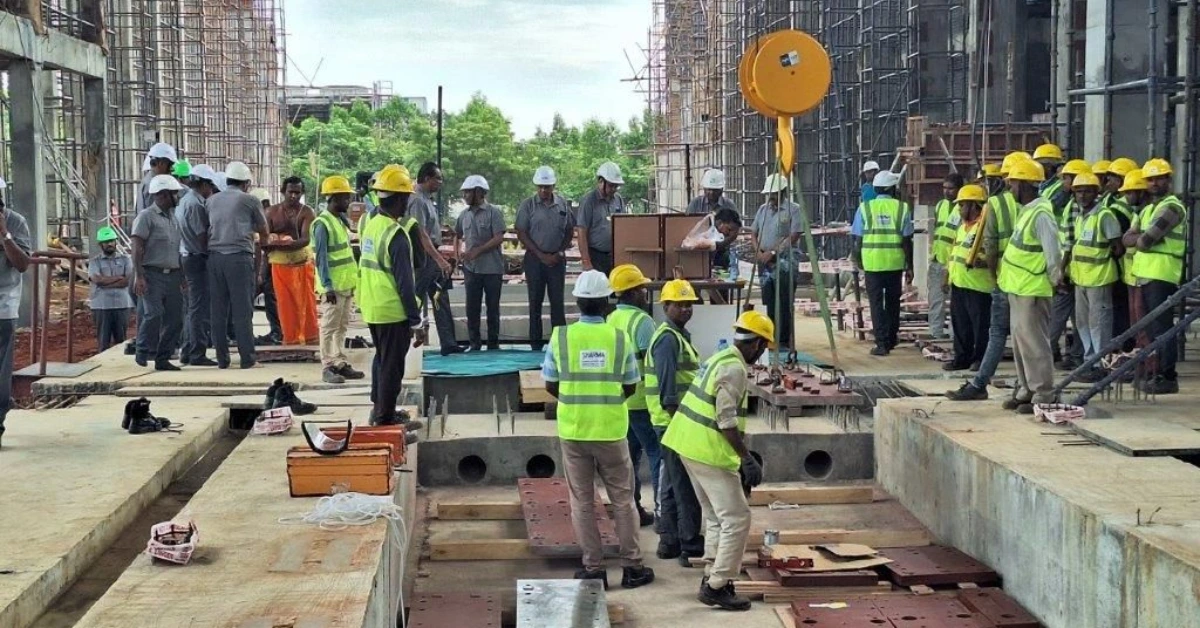
    The installation of the TM5 at TNPL’s Unit II mill in Mondipatti, Tamil Nadu has officially started.

    This marks an important step in TNPL’s strategic entry into the tissue market. The scope of supply from ANDRITZ includes the complete tissue production line, featuring the high-efficiency PrimeLine™ S 2000 tissue machine with a design speed of 2,000 m/min and a working width of 2.85 m. The line incorporates a PrimePress XT Evo shoe press for excellent bulk and sheet dryness, a 20 ft. steel Yankee, and a steam-heated hood for energy-efficient drying.

    In addition to the machine, ANDRITZ is delivering the stock preparation system, fabrics and rolls, automation and electrification as well as high-efficiency pumps manufactured and tested at the ANDRITZ facility in Chennai. This project builds on a long-term partnership with TNPL and supports their growth ambitions with advanced, resource-efficient technologies for future tissue production.

  • Parason Foam Breaker commissioned at TNPL for improved process control

    Parason Foam Breaker commissioned at TNPL for improved process control

    Successfully installed a Parason Foam Breaker at Tamil Nadu Newsprint and Papers Limited (TNPL) with our own supply.

    The system is now operating smoothly and reliably, delivering consistent foam control under actual process conditions.   

    Key Benefits:

    • Better pulp quality
    • Reliable and effective foam control
    • Improved process stability
    • Reduced defoamer consumption
    • Better control over soda loss
    • Low-maintenance, robust operation  

    Trusted by leading paper mills, delivering simple, reliable engineering solutions that create real value on the mill floor.

  • New paper machine – Velvet CARE increases production capacity by 40%

    New paper machine – Velvet CARE increases production capacity by 40%

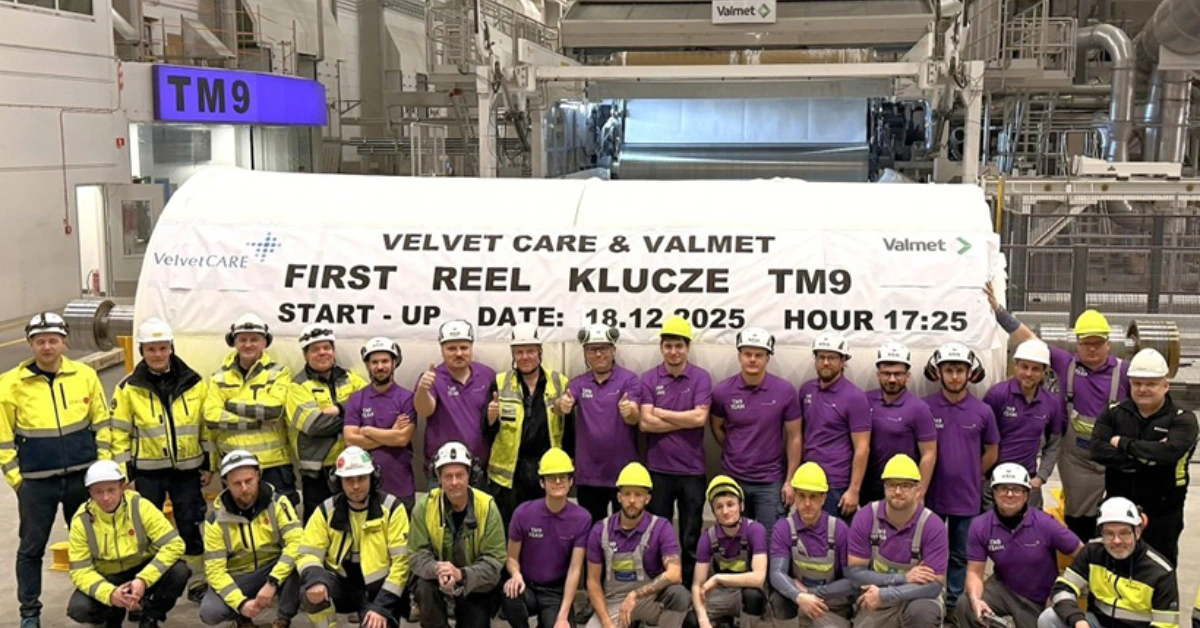
    Another state-of-the-art paper machine was launched at the Velvet CARE factory in Klucze. This means the factory now has four highly efficient tissue machines. Thanks to this investment, the plant’s production capacity has increased by over 40 percent.

    The new, recently launched paper machine is 5.6 meters wide, uses shoe press technology , and was manufactured by the Swedish company Valmet (a leading global manufacturer of machinery for this industry). The paper machine building was constructed under the supervision and coordination of Velvet CARE, and the machine installation as before  was carried out by ENKI.

    A staggering 1,320 tons of steel and over 15,000 cubic meters of concrete were used in its construction . A single 4.5-ton drum can hold up to 120 kilometers of tissue paper. Currently, the factory in Klucze has four production machines in operation, with a combined capacity of over 210,000 tons of tissue paper per year. These machines supply the processing department, which produces toilet paper, paper towels, and tissues – both dry and wet.

    “For 13 years of Velvet CARE’s existence, we have been systematically investing in the future. The launch of the new production machine is another step in the company’s continued development, ” said Artur Pielak, CEO. “This is our response to the growing market demand for high-quality tissue paper and top-quality paper products for daily hygiene. We are strengthening our market leadership position this is possible thanks to the ambition and professionalism of the Klucze plant’s staff. On this special day, we extend our sincere thanks and appreciation to the Velvet CARE employees and our business partners.”

    The new paper machine built at the Klucze plant meets the highest environmental and quality standards – it is currently the most modern, operationally proven technology, ensuring high productivity with relatively low consumption of utilities such as gas, water, and electricity. This project was implemented within the special economic zone – the Krakow Technology Park, in cooperation with a consortium of renowned financial institutions.

    The Klucze factory is currently one of the largest and most modern producers of tissue hygiene products in Europe. Its products are sold in Poland and on approximately 30 foreign markets. The factory has a rich, nearly 130-year history of building value in its industry. For 17 years, it was part of American multinational corporations (International Paper and Kimberly Clark). The most dynamic development of its machinery began in 2013, when Velvet CARE became an independent organization and a portfolio company of private equity funds. Since March 2024, the company’s majority shareholder has been Partners Group, an international private equity fund based in Switzerland.

    In March 2020, as part of its business expansion in the CEE region, Velvet CARE acquired the largest Czech manufacturer of hygiene products, MORACELL. A year ago, in January 2025, the Velvet CARE Group expanded once again, with the addition of two dynamically developing Polish companies: Private Label Tissue (PLT), based in Rawa Mazowiecka, and Italian Paper, based in Warsaw.

    In June 2025, a new company within the Group Velvet WEST was established. The new factory in western Poland, in Sulęcin, will be a strategic platform for further business development in the German market.

    The Velvet CARE Group currently employs over 1,150 people in Poland (factory and company headquarters in Klucze, PLT plants in Rawa Mazowiecka and commercial office in Warsaw) and over 120 people in the Czech Republic (MORACELL factory in Žabčice near Brno).

  • PRIMA Group

    PRIMA Group

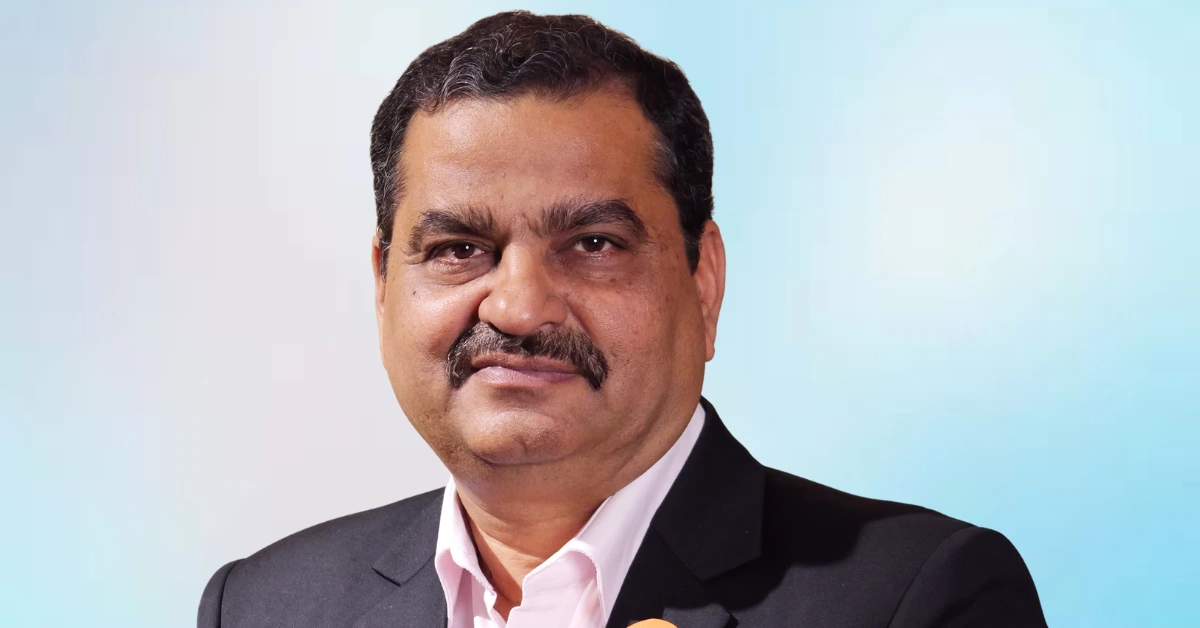
    Interview with Dr. Pritesh M. Shah, Chairman, PRIMA Group.
    Guided by responsibility, safety, innovation, and integrity, we engineer reliable environmental monitoring solutions that help create cleaner industries and a more sustainable future.

    PaperDesk : What motivated the foundation of Prima Equipment in 1992 and how has the company’s mission evolved since then?

    Pritesh M. Shah : Prima Equipment was founded in 1992 with a clear purpose—to develop reliable, indigenous environmental monitoring systems for Indian industries. At that time, industries were heavily dependent on imported instruments that were expensive, difficult to service, and not built for Indian tropical conditions. I saw the need for technology that was engineered, manufactured, and supported locally.

    From our earliest days, our focus was on building instruments that industries could trust through all conditions. Over time, our mission expanded from providing reliable measurement systems to delivering complete, intelligent environmental ecosystems that support long-term sustainability. Today, we work to ensure our customers progress from meeting compliance to enabling responsible, sustainable industrial growth. Our core belief remains unchanged: “Only with clean environment & intentions, rises a clean great nation.”

    PD : How do the company’s core values around environment, safety and innovation influence operations and strategy?

    PMS : Our values guide every aspect of our business—environmental responsibility, industrial safety, innovation rooted in self-reliance, and integrity. These principles shape how we design products, conduct research, train teams, and deliver services.

    Environmental monitoring is not just technology; it is responsibility. Our commitment to accuracy, reliability, and ethical engineering ensures that every decision we make contributes to cleaner industries, safer workplaces, and a more sustainable future.

    PD : Could you highlight a few key milestones that shaped Prima’s growth?

    PMS : Several milestones shaped our journey. In the late 1990s, we developed India’s first indigenous Continuous Emission Monitoring System designed specifically for Asian tropical conditions. As industries evolved, we were among the first to incorporate IoT in environmental monitoring. We established a 39,000 sq. ft. integrated manufacturing and R&D facility that consolidated design, electronics, firmware, mechanical engineering, and calibration under one roof. One of our proudest achievements has been earning global certifications such as QAL-1 compliance under EN 14181 & EN 15267-3 and, more recently, the MCERTS certification in 2025. These recognitions validated our commitment to engineering excellence and demonstrated that Indian technology can surpass global benchmarks.

    PD : What are the primary product categories offered by Prima and how do they serve industrial clients?

    PMS : Prima offers a comprehensive portfolio that includes Continuous Emission Monitoring Systems, Ambient Air Quality Monitoring System, Occupational Safety and Health monitoring instruments, Process Gas Analyzers, Fuel and Efficiency Monitoring instruments, and Industrial Quality Control analyzers. Our systems help industries ensure compliance, improve operational transparency, safeguard workers, and optimize energy and resource usage. By offering reliable, high-accuracy data, we help industries transition confidently from compliance-driven operations to sustainable practices.

    PD : How does Prima ensure that its instruments meet international standards and certifications?

    PMS : We follow stringent testing frameworks aligned with EN, CE, IEC, and ISO-based quality systems. Every instrument undergoes comprehensive endurance checks, drift testing, EMC verification, vibration analysis, and ISO-traceable calibration. These measures ensure global-level performance and long-term stability. For us, certification is not a requirement—it is a responsibility to our customers and to the environment.

    PD : What are the technology challenges in designing monitoring systems for harsh industrial conditions?

    PMS : Industrial environments in India and Asia present unique challenges—high humidity, monsoon exposure, corrosive gases, dust-heavy processes, temperature fluctuations, and unstable power conditions. Imported systems often fail because they are not designed for such variables. Our systems are engineered specifically for these realities. We use corrosion-resistant materials, robust electronics, drift-stable optics, enhanced thermal control, and advanced algorithms to ensure measurement integrity. Reliability is the first step toward sustainability, because only a reliable system can support environmental accountability.

    PD : How does Prima’s in-house design and manufacturing model contribute to product quality?

    PMS : In-house design gives us full control over quality—from firmware and electronics to mechanical engineering, calibration, and field simulation. This ensures consistency, faster innovation cycles, and the ability to customize solutions for industry-specific requirements. The result is equipment that performs reliably across diverse industrial conditions for many years.

    PD : Which end-industries constitute your major customer base?

    PMS : We serve a wide range of sectors—including power generation, cement, iron and steel, pulp and paper, pharmaceuticals, chemicals, waste-to-energy, and agro-processing industries.

    Each industry has distinct operational demands, and our solutions are designed to integrate seamlessly into these varied environments.

    PD : How is Prima innovating its offerings to stay ahead of compliance demands?

    PMS : We innovate proactively, not reactively. Our systems incorporate IoT-driven remote monitoring, intelligent diagnostics, automated calibration, predictive maintenance insights, and modular upgrades.

    These technologies help industries stay ahead of regulatory changes and improve both environmental and operational performance.

    PD : Can you share an example of a customized monitoring solution delivered by Prima?

    PMS : A chemical plant approached us with demanding conditions—high moisture, acid mist, fluctuating gas levels, and corrosive fumes. Their imported analyzers faced repeated failures. We engineered a specialized solution using SS316L components, temperature-stabilized optics, advanced gas-filter algorithms, and anti-condensation safeguards. The system delivered stable, high-accuracy performance over sustained periods. This success demonstrated how robust engineering directly supports sustainable compliance for industries operating in extreme conditions.

    PD : How has Prima scaled its manufacturing and export operations?

    PMS : Our integrated manufacturing campus, combined with export-ready design architecture, has allowed us to scale seamlessly. With strong in-house R&D, a disciplined production methodology, and globally compliant systems, we have transitioned from serving local industries to becoming a trusted global supplier.

    PD : What are Prima’s key competitive advantages?

    PMS : Our biggest strengths are indigenous innovation, engineering tailored for tropical conditions, a strong service network, ISO-traceable calibration practices, and reliable long-term performance. We promise reliability—and reliability is the foundation of sustainability in industrial environments.

    PD : How do you ensure reliability and uptime for your customers?

    PMS : We ensure this through nationwide service teams, remote diagnostics, preventive maintenance programs, pre-stocked spare parts, and fast response on-site support. When industries depend on real-time data to meet their environmental obligations, continuous uptime becomes critical—and we take that responsibility seriously.

    PD : How do you integrate digital monitoring and analytics into your systems?

    PMS : Digitalization is transforming environmental monitoring. Our platforms offer cloud dashboards, mobile access, predictive alerts, automated compliance reports, and secure data redundancy. By converting data into actionable insights, we help industries make informed decisions that enhance both reliability and sustainability.

    PD : For CEMS, what critical variables must your equipment reliably handle?

    PMS : A CEMS must handle high temperatures, dust loading, moisture, acid fumes, fluctuating velocities, and variations in gas concentrations. These complexities make reliability essential. A system that cannot manage these variables cannot support sustainable environmental management.

    PD : What is the role of calibration and traceability?

    PMS : Calibration defines accuracy and credibility. We maintain strict ISO-traceable calibration environments, monitor drift behavior, and ensure regular re-certification cycles. Sustainable compliance begins with data integrity—and data integrity begins with calibration.

    PD : What are Prima’s growth plans for the next 3–5 years?

    PMS : We plan to expand across more than 15 international markets, introduce AI-integrated monitoring systems, strengthen our digital platforms, and enter new sectors such as green hydrogen, bio-energy, and advanced waste processing. Sustainability will be the guiding principle for all future developments.

    PD : How are sustainability and circular economy principles shaping your roadmap?

    PMS : We are committed to long-life components, low power consumption, modular upgradability, remote monitoring, and minimal consumables. These principles reduce environmental footprint and support long-term sustainability—both for industries and for us as manufacturers.

    PD : Are there collaborations you are exploring?

    PMS : Yes. We are exploring collaborations with global technology partners, academic institutions, international laboratories, and certification bodies. These partnerships will help us bring advanced, globally aligned technologies to industries in India and abroad.

    PD : How does Prima implement environmental responsibility in its operations?

    PMS : We apply environmental responsibility internally through energy-efficient operations, waste reduction, water conservation, and internal emissions monitoring. Sustainability must be practiced within the organization before it is offered to the world.

    PD : Recent awards or recognitions?

    PMS : Our MCERTS certification in 2025, our distinction as the world’s only QAL-1 compliant CEMS manufacturer under EN standards, and recognition as the “Most Trusted Indian Brand” have been significant milestones. These achievements reaffirm our commitment to engineering excellence.

    PD : How has the company adapted to global trends?

    PMS : By integrating real-time digitalization, auto-diagnostics, rugged system designs, advanced optics, and remote support tools. Our goal is to help industries evolve from reactive compliance to proactive sustainability.

    PD : Upcoming launches or announcements?

    PMS : We will soon be introducing next-generation digital CEMS, AI-powered predictive platforms, and an expanded international portfolio. These advancements will further connect reliability with sustainability across global markets.

  • Commission clears ITC buyout of Aditya Birla paper unit

    Commission clears ITC buyout of Aditya Birla paper unit

    The Proposed Combination refers to the sale of paper and pulp manufacturing business of Aditya Birla Real Estate Limited (Target Business) to ITC Limited, as a going concern, in accordance with the Business Transfer Agreement executed between the Parties.

    ITC Limited is a listed company with a diversified shareholding and presence across multiple industries. Its businesses encompass fast-moving consumer goods, paper, paperboards and packaging, agri-business, and information technology among others. Aditya Birla Real Estate Limited is a listed company and is part of the Aditya Birla group.

    It has diversified interests, including real estate and pulp and paper manufacturing. The Target Business entails the business of manufacturing, distribution and sale of paper and paperboard in India including, uncoated writing and printing paper (such as, creamwove, Maplitho and copier), kraft paper, virgin multi-layer board, tissue paper, cup stock, stiffener paper, etc.

  • Nipco Group

    Nipco Group


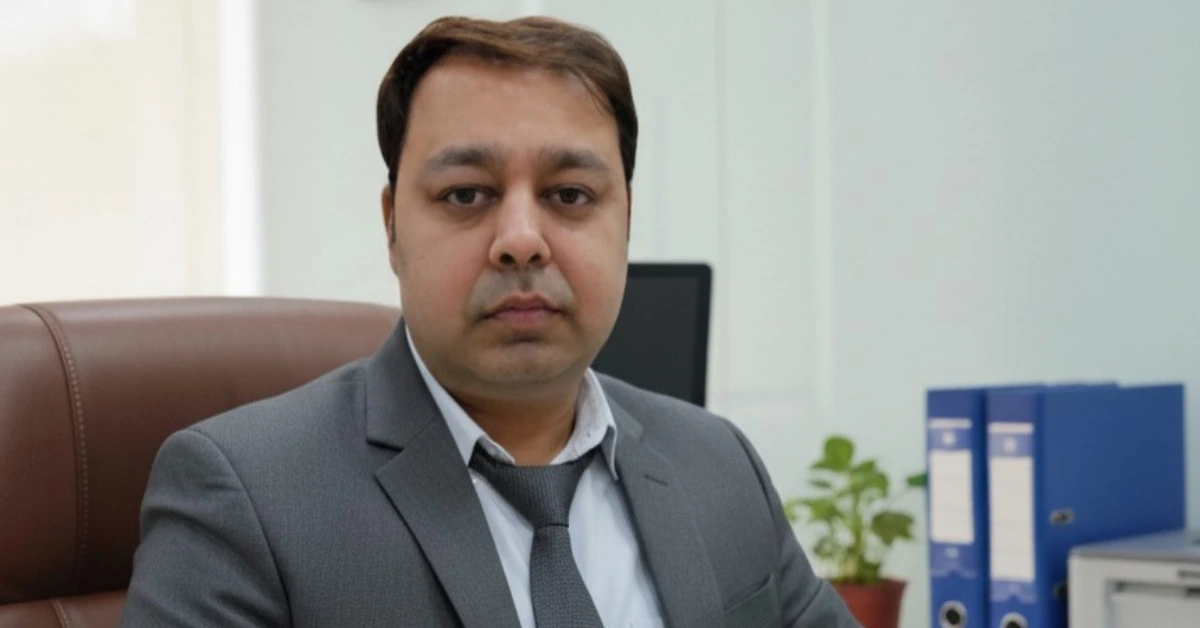
    Interview with Mr. Ajay Agarwal Managing Director, Nipco Group
    Purbanchal Paper Mill was born from a simple goal to make the North East self-reliant with locally made, sustainable kraft paper.

    Paper Desk : What inspired the founding of Purbanchal Paper Mill LLP and how did the vision for the mill take shape in the North East region of India?

    Ajay Agarwal : The idea of starting Purbanchal Paper Mill came from a very practical observation. During our project study, we found that the North East had a clear gap between demand and supply of kraft paper. Most of the quality paper used here was coming from other parts of India, which made it expensive due to transport and often caused irregular supply to local industries. At the same time, we noticed that waste paper — which is our main raw material — was available locally at a lower cost, and the market price for finished kraft paper was quite reasonable. So economically, the project made good sense. Also, there were a few government and industrial schemes that encouraged local manufacturing, which gave us more confidence. Since we are already into manufacturing through Nipco Group, we wanted to extend that experience into something sustainable and eco-friendly. That’s how the vision of Purbanchal Paper Mill took shape — to make the North East more self-reliant, create local employment, and produce quality kraft paper within the region itself.

    PD : What core values or guiding principles have driven Purbanchal Paper Mill toward excellence in kraft paper manufacturing?

    AA : What really drives us at Purbanchal Paper Mill are a few simple but strong principles — good management, quality, sustainability, and teamwork.

    Our Daily operation Managing Team — myself, Ajay Agarwal, along with Mr. Bikash Agarwal and Mr. Shyam Patwari — are all qualified engineers with over 10 years of experience. From the beginning, we’ve focused on quality over short-term profit. We believe that consistent quality builds long-term customers, so we’ve invested in good machinery, skilled manpower, and strict process control.

    The next important value is sustainability. Since we use waste paper as raw material, we ensure our operations are eco-friendly — recycling, reusing, and minimizing waste wherever possible. We also believe in continuous improvement, upgrading our process and technology to meet new market demands — like better GSM strength, finish, and cost efficiency. Lastly, teamwork and community growth are very close to us. We encourage a culture where everyone works together toward one goal and also focus on creating local jobs and skill development. These values have helped us steadily build a strong reputation for quality kraft paper in the North East region.

    PD : Can you share major milestones achieved by the company since its inception (e.g., capacity milestones, commissioning dates)? For instance, PPM claims a capacity of 53,000 tons/year?

    AA : The journey of Purbanchal Paper Mill has been quite interesting. We started planning around 2020, and even during the COVID period, we stayed focused and kept the project moving. Trial production began in late 2022, and by early 2023, we achieved full commercial operations.

    Our installed capacity is about 150 tons per day, which is roughly 53,000 tons per year. Over time, we’ve upgraded our plant with Double Wire technology, a pressurized head box, and automation systems, along with better stock preparation and drying sections — all to improve strength, GSM consistency, and overall quality.

    We started with the Assam market and now supply to West Bengal, Bihar, and even Delhi-NCR. Our next goals are to improve energy efficiency, water recycling, and explore export opportunities. Overall, we’ve achieved strong growth in both capacity and quality within a short time, and that gives us good confidence for our next expansion phase.

    PD : What are the key product offerings of Purbanchal Paper Mill (e.g., multilayered kraft paper, both medium and liner) and what applications do they serve?

    AA : We mainly manufacture multilayered kraft paper, both medium and liner grades, ranging from 90 GSM to 300 GSM. Our papers are used for corrugated boxes, carton packaging, wrapping, and other industrial uses. We focus on strength, uniform finish, and better runnability for automatic corrugation plants. So our kraft papers are preferred by corrugated box manufacturers, FMCG packaging units, and logistics suppliers.

    PD : How does the company ensure product quality, for example uniform grammage, moisture control, surface finish, glue absorption?

    AA : We maintain product quality through strict process control and automation. Our plant is equipped with online monitoring systems for grammage and moisture control. We use a pressurized head box and Double Wire technology, which ensure uniform GSM and surface smoothness. The drying and sizing sections are optimized for controlled moisture and good glue absorption, making our paper perform well in corrugation.

    Additionally, our quality team regularly checks samples for burst factor, ring crush strength, and Cobb value to ensure consistency in every roll.

    PD : What technological investments or upgrades have you implemented to give Purbanchal Paper Mill a competitive edge in paper production?

    AA : We’ve invested in modern technologies to stay ahead in quality and efficiency. Our key upgrades include a Double Wire Paper Machine for better strength and smoothness, a Pressurized Head Box for accurate GSM control, and automation in stock preparation and chemical dosing for consistent pulp quality.

    We also use energy-efficient boilers and water recycling systems to reduce costs and support sustainability. Now, we’re planning a production expansion and a captive power plant to ensure reliable power and higher output.

    PD : Who are your primary customers and target markets (domestic, regional, export)? For example, you are located near borders of Bhutan, Bangladesh and the upcoming logistics hub in Assam.?

    AA : Our main customers are corrugated box manufacturers and packaging units in the Entire North East, West Bengal, and Bihar. We’ve also started supplying to North Delhi. Being close to Bangladesh, Bhutan, and the upcoming logistics hub in Assam, we’re well-positioned for future export opportunities.

    PD : How does Purbanchal Paper Mill stay ahead of market trends in packaging, sustainability, and corrugated box demands?

    AA : We stay updated through customer feedback, regular market studies, and visits to corrugation and packaging units. Our focus is on stronger, eco-friendly kraft paper with better runnability for automatic plants. We also keep improving process efficiency and align our product with sustainability trends in the packaging industry.

    PD : What innovations (product, process, technology) has the company recently introduced or is planning to introduce to meet evolving demands in kraft and packaging paper?

    AA : We’ve already adopted Double Wire technology, a pressurized head box, and automation for quality improvement.

    Next, we’re planning to produce high BF multilayer kraft paper to meet the growing need for durable corrugated boxes. We’re also exploring digital monitoring and data-based process control for better consistency.

    PD : What is your strategy for supply chain and raw-material sourcing (given you’re in Assam/North East) to manage costs, logistics and ensure smooth operations?

    AA : Our main raw material, waste paper, is sourced from local collection centers and nearby states to keep logistics economical. For chemicals and starch, we work with reliable regional suppliers to ensure uninterrupted production. We maintain optimum stock levels to avoid shutdowns due to transport delays.

    PD : How do you position Purbanchal Paper Mill in the marketplace, both in the North East region and broader India (and perhaps export)? What are your competitive strengths and challenges?

    AA : We position Purbanchal Paper Mill as a quality-focused kraft paper manufacturer from the North East, backed by modern technology and reliable supply.

    Our main strengths are consistent quality, strategic location, and professional management. The key challenges we face include high transport costs, limited availability of waste paper, and a drop in kraft paper demand due to the rise of new mills in the region.

    There’s also a shortage of skilled local manpower, but we manage this through in-house training, better planning, and efficient logistics management.

    PD : The company mentions “optimal capacity utilisation” and “smart cost control initiatives”. Could you elaborate on some of these initiatives and how they have impacted operational performance?

    AA : We maintain steady machine uptime, proper maintenance, and balanced order scheduling to achieve optimal capacity utilization. For cost control, we focus on energy saving, reduced wastage, and efficient chemical dosing. These steps have improved our production efficiency and reduced per-ton cost, making us more competitive.

    PD : What advanced technologies have you implemented for monitoring paper parameters (moisture, GSM, BF/RCT, surface finish) and how do they improve production outcomes?

    AA : We use online sensors and automation systems for monitoring moisture, GSM, and BF/RCT during production. The Double Wire and Pressurized Head Box help maintain surface finish and uniform grammage. These technologies have improved quality consistency and reduced rejection rates.

    PD : Are there plans to adopt or develop further technologies (capturing higher BF papers, multilayer kraft, automation, Industry 4.0) for future competitiveness?

    AA : Yes, we plan to produce high BF multilayer kraft papers and adopt Industry 4.0 systems — such as digital data logging and automated quality control. We’re also exploring AI-based energy monitoring to further improve efficiency.

    PD : What technical challenges have you encountered in producing high-strength kraft paper (for example for corrugated board) and how were they solved?

    AA : Initially, we faced issues in GSM variation and burst factor stability. We solved these through better fiber mixing ratios, improved refining, and controlled drying. Continuous monitoring and operator training helped achieve stable high-strength kraft quality.

    PD : Where do you see Purbanchal Paper Mill in the next 5 years in terms of product expansion, capacity growth or new market entry? (For example, mention was made of Phase-2 expansion earlier)?

    AA : In the next five years, we aim to double our production capacity and start Phase-2 expansion with a captive power plant for energy stability. We also plan to enter export markets in nearby countries through the new logistics corridor.

    PD : Are there plans to diversify into downstream markets (e.g., value-added packaging papers, coated kraft, speciality grades) or to integrate further along the value chain?

    AA : Yes, we plan to diversify into value-added packaging grades, such as coated kraft, high BF paper, and specialty liner papers. We’re also studying possibilities for corrugated sheet or box units for integrated growth.

    PD : How will sustainability and eco-friendly initiatives play a role in shaping future growth (e.g., recycled fibre use, certifications, reducing carbon footprint)?

    AA : Sustainability is central to our growth plan. We use 100% recycled fiber, have water recovery systems, and are working towards zero liquid discharge. Our future goal is to obtain environmental certifications and continue reducing our carbon footprint through energy-efficient operations.

    PD : How does the company ensure worker safety, training (the site mentions staff training) and local community engagement in its operations?

    AA : We follow strict safety SOPs, conduct regular training on machine handling and emergency response, and provide proper PPE kits. We also hire locally and support skill development programs for youth around Goalpara Districts of Assam.

    PD : What environmental measures has Purbanchal Paper Mill implemented (e.g., efficient use of raw materials, water, emissions control) given the manufacturing setting in Assam

    AA : We focus on efficient use of raw materials, waste recycling, and water treatment systems to reduce environmental impact.

  • Cheema Papers Ltd

    Cheema Papers Ltd

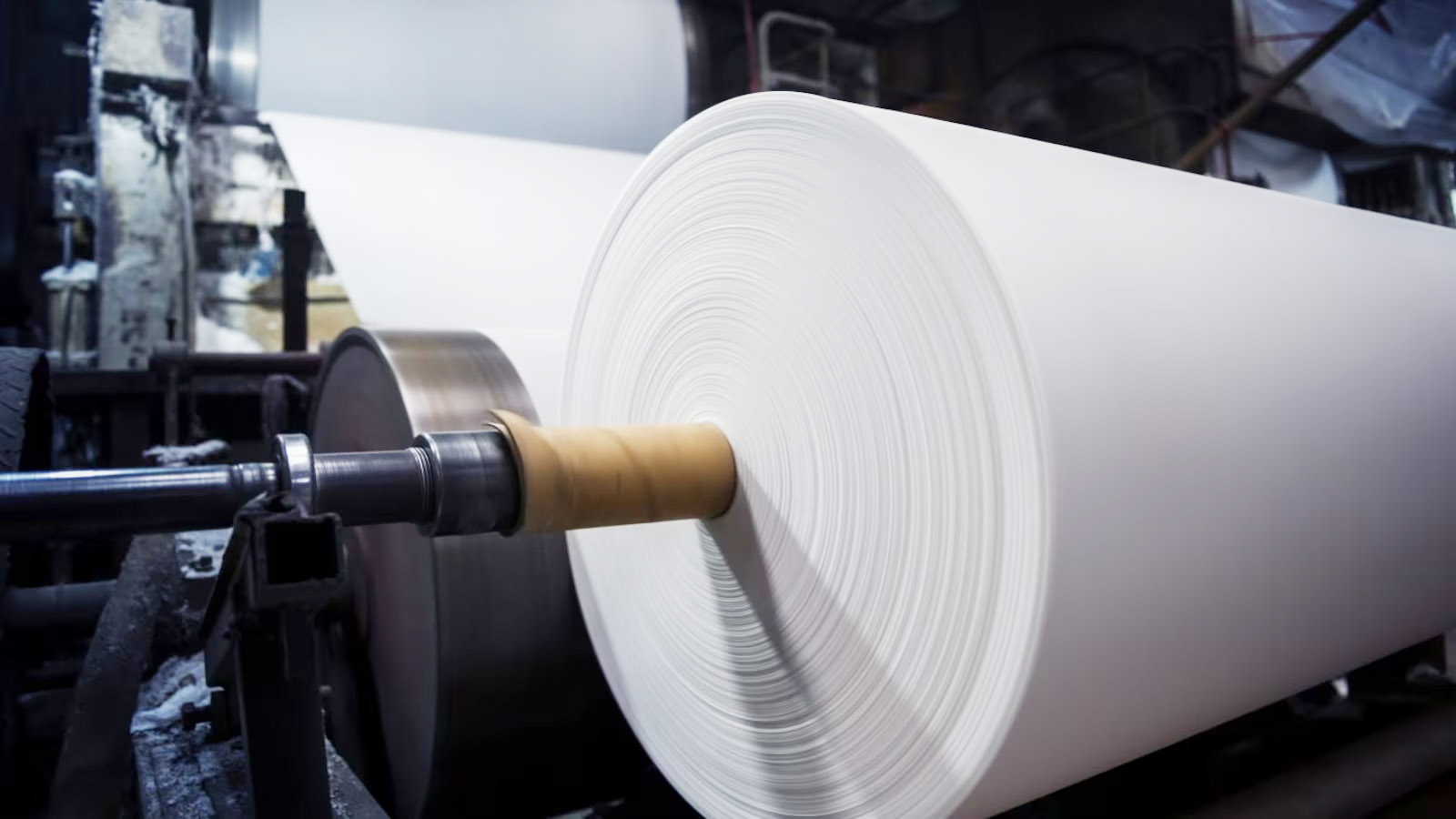
    Interview with Ms.Anmol Gill Cheema, Director, Cheema Papers Ltd.
    Since 1989, Cheema Papers has pioneered recycled paper manufacturing—blending quality, sustainability, and technology to drive progress with a lighter environmental footprint.

    Paper Desk : What inspired the founding of Cheema Papers Ltd, and how has that founding vision changed over time?

    Anmol Gill Cheema : Our story began in 1989, right at the genesis of India’s organized paper industry. Cheema Papers Ltd was founded with a dual purpose: to pursue a long-held family ambition of growing into the manufacturing sector, and more importantly, to contribute to the nation’s progress through sustainable means. From day one, our core vision has been centred on pioneering recycled paper manufacturing. While our commitment to quality and sustainability is unwavering, we’ve consistently evolved by integrating modern process automation and advanced technology to not just boost efficiency, but to continually minimize our environmental footprint.

    PD : What core values or guiding principles have steered Cheema Papers through its history?

    AGC : For Cheema Papers Limited, our success is rooted in a straightforward, consistent approach: Integrity and honesty govern our internal dealings, ensuring ethical practices are non-negotiable. This moral compass directly supports our dual commitment to the customer and the planet. Our fierce custom of focus and loyalty to our clients guarantees we deliver exceptional quality.

    At the same time, sustainability and innovation aren’t just buzzwords; they are the driving principles that compel us to adopt long-term environmental responsibility in every sheet of paper we produce. These values aren’t separate; they are a holistic guide for every decision we make.

    PD : Can you highlight major milestones in Cheema Papers’ growth, especially in challenging periods?

    AGC : Our journey has been marked by significant milestones, driven by a commitment to constant improvement. We’ve not only substantially increased our production capacity but have continually invested in energy-efficient technologies to future-proof our operations. Critically, we’ve broadened our portfolio, launching new, high-quality product lines specifically tailored to meet our valued customers’ evolving needs. What truly sets us apart is our resilience. Through challenging periods—whether it was market fluctuations or volatile raw material costs—our core strength lay in our teamwork and innovation. That dedication didn’t just stabilize us; it powered our steady growth and solidified our strong market position.

    PD : What are the primary product lines at Cheema Papers (e.g. writing paper, printing paper, craft paper), and what distinguishes each?

    AGC : Our entire manufacturing focus is dedicated to the packaging industry, and our core mission is simple: providing the foundational materials that guarantee product safety. Our duplex paperboard is known for its board across the industry strength and premium surface qualities—its exceptional smoothness, shine, and reflective nature make it the preferred canvas for printing units that require flawless graphic reproduction.

    We offer this versatile board across a wide range of GSM options for various carton and folding box applications. In contrast, our high BF Kraft paper is specifically engineered for maximum strength, valued for its superior bursting factor(BF) to create dependable, robust packaging that withstands demanding logistics. Crucially, every single product line, from the glossy duplex board to the high bf Kraft, is underpinned by strict quality control and a constant, unwavering adherence to sustainable manufacturing practices.

    PD : How does Cheema Papers maintain quality and consistency across its paper products?

    AGC : For us, quality is a disciplined science. We ensure absolute consistency through a combination of advanced manufacturing technology and a regimen of rigorous, continuous process monitoring. Every single batch passes through strict quality checks, beginning with the selection of raw materials and culminating in the final product inspection. This ensures our customers can always rely on the high standard of Cheema Papers. This dedication is matched by our people: our staff is expertly trained to uphold paper product.

    PD : What technology or processes do you use in coating, finishing, or paper treatment to improve product performance?

    AGC : In recent years, we’ve made significant technological investments across our operations to enhance both product performance and sustainability. Our facility now features a state-of-the-art pulp mill and some of the most advanced coating technologies available in the market. We’ve also upgraded our calendaring systems to achieve superior surface smoothness and gloss control, ensuring consistent quality across every batch. On the finishing side, we’ve introduced high-end zero-trim sheeters that deliver precise cut sizes and minimize waste, along with advanced shrink-packaging systems that improve handling and protection. In parallel, we’ve strengthened our environmental commitment by upgrading our effluent treatment plant (ETP) for more efficient water treatment and reduced environmental footprint. Altogether, these technological advancements have allowed us to deliver better-performing papers with higher consistency, reduced variability, and improved sustainability.

    PD : How do you innovate in raw material selection (pulp, recycled fiber, additives) to achieve cost & quality balance?

    AGC : In today’s highly volatile market, managing both cost and quality is paramount. Our strategy is built on intelligent sourcing: we strategically procure premium raw materials—including high-quality pulp, recycled fibre, and eco-friendly additives—to strike the perfect balance between superior product performance and efficient production cost. Innovation for us is centred on the continuous process of optimization. This means we are constantly testing alternative materials, refining our pulp blends, and leveraging sustainable sources. This proactive approach allows us to effectively mitigate price fluctuations and keep our production costs stable without ever compromising the quality our customers demand. Ultimately, our goal is to deliver the absolute best finished material. We manage this delicate balance by meticulously tracking market volatility while ensuring our solutions remain economical for the broader packaging industry, proving that high quality and cost-efficiency can go hand-in-hand.

    PD : How does Cheema Papers monitor market trends (e.g. digital media, sustainability) to guide product development?

    AGC : Our competitive edge stems from a commitment to proactive market sensing. We don’t wait for trends to hit us; we closely monitor market dynamics, including the global shift towards sustainable packaging, the rise of digital media, and rapidly evolving customer needs. Our market intelligence is gathered through multiple crucial channels: analysing comprehensive industry reports, attending key trade shows, and maintaining a direct feedback loop with our client base, which is our paramount source of information. We also embrace the digital sphere, actively leveraging platforms like LinkedIn to gain real-time insight into competitor strategies and global industry norms. These rich, continuous insights are what fuel our business. They guide our product development process, allowing us to innovate responsibly and consistently stay ahead in this highly competitive market.

    PD : What recent innovations (new grades of paper, eco-friendly lines, and specialty papers) have you introduced?

    AGC : Right from our inception, Cheema Papers Limited has been defined by eco-conscious innovation. We didn’t just start with paper; we immediately introduced eco-friendly lines made from recycled fibers. This commitment to specialty and quality has only deepened. Recently, we’ve expanded to meet critical market needs, notably by adding High BF MG Kraft paper suitable for the demanding food-grade packaging industry. On the duplex board side, our range spans the full spectrum—from lower to higher GSM options—ensuring we can precisely match any client requirement for quality and thickness. But our true focus remains on performance: we engineer our duplex paper for optimal stiffness, smoothness, and surface quality, providing printers with a truly superior canvas.

    PD : How does Cheema Papers manage its supply chain (for pulp, chemicals, energy) to mitigate risks?

    AGC : To guarantee consistent quality, we have built a strategic sourcing advantage. Our expert procurement team maintains strong relationships with reliable suppliers while continually diversifying our channels for critical resources like pulp, chemicals, and energy. This level of foresight is essential. By constantly monitoring inventory and implementing proactive risk mitigation plans, we ensure our production runs without interruption, allowing us to deliver reliable, high-standard products to our customers regardless of market volatility.

    PD : What strategies do you use to expand your presence in domestic vs export markets?

    AGC : Domestically, our strategy isn’t just about transactions—it’s about legacy and partnership. We dedicate ourselves to strengthening relationships with our distributors and dealers, ensuring a consistent supply of our paper while offering customized solutions for local demands. What truly sets us apart is the depth of our commitment: our dealer network isn’t just strong; it’s generational. Just as our company is transitioning to its next era of leadership, our dealers are seeing their businesses change hands from father to son. This shared history, spanning over 35 years, has built a powerful, unbreakable bond of hard work and commitment, ensuring we consistently deliver quality products to our loyal customers.

    PD : How do you compete on cost, quality, and service against other paper manufacturers in India and abroad?

    AGC : The paper industry is currently navigating a period of significant volatility, driven by both erratic raw material costs and shifting global market demands. This makes maintaining our price points a major strategic priority. Our goal is to perform a precise balancing act—meticulously managing our manufacturing costs while ensuring our end product remains highly competitive in both quality and price. For us, this isn’t just about survival. We are intensely focused on providing our customers with the exact product specifications they need, consistently and at a price that works for their business.”

    PD : What role do automation and process control (e.g. in pulp refining, paper machines) play in your operations?

    AGC : We firmly believe that automation is the inescapable present and future of our industry. Our approach isn’t about massive overnight change; it’s about strategic, continuous integration. We apply technology at every possible point, from the initial gate entry of raw material to the final dispatch of the finished product, always scaling to match our financial capacity and machinery configuration. This pervasive application of technology is the engine behind our consistent, reliable product quality. By implementing these digital and automated systems, we optimize energy and resource use, drastically reduce waste, and improve overall operational efficiency, allowing us to reliably meet the highest production standards.”

    PD : What technical challenges have you faced (e.g. maintaining brightness, durability, moisture resistance) and how were they solved?

    AGC : The paper industry remains inherently labour-intensive, especially for an operation of our size within the SME category. We recognize that where there is significant human involvement, there is always the possibility of human error, and we train our staff with that understanding. Compounding this challenge are the severe environmental factors unique to our region—fluctuations in weather, dust, and moisture levels make maintaining a consistent product quality throughout the year an intricate battle. To counter these variables, we rely on continuous research and development and rigorous testing. We invest heavily in advanced coating techniques and precise process controls to consistently manage the technical challenges of achieving uniform brightness, durability, and moisture resistance. This commitment to technical mastery is what allows us to consistently overcome daily obstacles while reliably delivering the high quality our customers expect.

    PD : Where do you see Cheema Papers in 5–10 years, new product lines, capacity expansion, and new geographies?

    AGC : I’m going to reframe this question and let’s say “where do you see paper industry in the next 5 to 10 years?” When we look at the paper industry over the next five to ten years, we see an undeniable trend toward consolidation, with larger industrial giants increasingly dominating the landscape. This creates an extremely difficult operational environment for small and medium-sized units. These are challenging times where the paper segment must act with a sense of collective responsibility. For the industry to successfully navigate this volatile market, it is vital that we, as competitors, prioritize cohesion and strategic collaboration. Our success should not come at the cost of others. If we fail to unite and leverage our shared strengths, we risk witnessing the unfortunate exit of many valued peers from the market—a loss that weakens the entire domestic industry structure.

    PD : How will sustainability (e.g. use of recycled materials, lower emissions) factor into your growth trajectory?

    AGC : It is an unfortunate truth that we are living in a time of planetary distress. For Cheema Papers, this means sustainability is no longer an option—it is a collective imperative. Our mission is to make our unit holistically sustainable to protect the environment before it’s too late. This commitment spans every single process: from responsibly sourcing raw materials and guaranteeing the correct disposal of waste through advanced treatment plants, to pioneering the use of eco-friendly products. We are continually focused on innovating our processes to reduce our environmental footprint and ensure we are part of the solution for a greener planet.

    PD : What steps does Cheema Papers take to reduce its environmental impact (water use, emissions, waste)?

    AGC : At Cheema Papers, our environmental responsibility is woven into our daily operations as we concentrate our efforts to drastically reduce our carbon footprint across the entire manufacturing lifecycle. This commitment begins with prioritizing sustainable and recycled raw material sourcing and extends to the proper disposal of all manufacturing waste. We are intensely focused on water stewardship, utilizing highly efficient technology in our treatment plant to ensure daily consumption is reduced and strictly monitored. Crucially, we practice resource circularity by utilizing treated backwater for necessary cleaning processes, and we actively engage in rainwater harvesting. Furthermore, our environmental commitment extends to our people: our staff is rigorously trained to maintain impeccable cleanliness and strictly adhere to a no-plastic policy across our entire campus. All of these actions, collectively, demonstrate our dedicated effort to care for our environment and give back in the best ways possible.