Tag: Paper Industry India

  • JK Paper Undertakes Corporate Restructuring with Amalgamation and Demerger Plan

    JK Paper Undertakes Corporate Restructuring with Amalgamation and Demerger Plan

    JK Paper Undertakes Corporate Restructuring with Amalgamation and Demerger Plan


    JK Paper Limited has embarked on a major corporate restructuring initiative involving the amalgamation of subsidiaries and demerger-related operations, in a move aimed at simplifying its organisational structure and enhancing operational efficiency.

    The restructuring follows the approval of a composite scheme of arrangement by the National Company Law Tribunal, allowing the company to proceed with a comprehensive reorganisation of its group entities.

    As part of the scheme, multiple wholly owned subsidiaries—primarily engaged in the packaging segment—will be merged into the parent entity. This consolidation is expected to streamline operations, reduce administrative complexities, and create stronger integration across business verticals.

    The restructuring plan also includes elements of demerger and internal realignment, designed to optimise the company’s paper and packaging businesses. By bringing related operations under a unified structure, JK Paper aims to improve efficiency, strengthen synergies, and better position itself in the fast-growing packaging market.

    Company officials indicated that the initiative is focused on enhancing value for stakeholders through improved resource allocation and sharper business focus. The move is also expected to support long-term growth by enabling quicker decision-making and improved cost management.

    The scheme has received the necessary approvals from shareholders and creditors and has now entered the implementation phase. With this restructuring, JK Paper is expected to emerge as a more agile and integrated enterprise, aligned with evolving industry dynamics.

    The development reflects a broader trend among Indian manufacturing companies to consolidate operations and restructure business portfolios in order to remain competitive in an increasingly dynamic market environment.


  • Gayatri Shakti Starts 9 GSM Facial Tissue Production

    Gayatri Shakti Starts 9 GSM Facial Tissue Production

    This accomplishment signifies a historic milestone for the tissue industry, as GSTPL is the first mill globally to produce 9 GSM facial tissue on a commercial scale.

    This innovation demonstrates our dedication to technological excellence, product innovation, and establishing new global standards in quality and efficiency. Gayatrishakti Paper & Boards Limited an ISO 9001 certified company situated at Vapi, Gujarat, India, has developed and established a widely-spread sales and marketing network, throughout India and abroad.

    Scrupulously identified and selected, a whole spectrum of dealers covering the length and breadth of India, having manufacturing facilities already for coated duplex board & Kraft liner with adequate infrastructure facilities in the form part of our dealership network for sales & marketing promotion.

  • Bharat PaperTex, 19th-22nd Mar ‘2026

    Bharat PaperTex, 19th-22nd Mar ‘2026

    PAPERTEX is an international B2B trade exhibition tailored for the pulp, paper, tissue, and corrugated packaging industries, covering the complete value chain: from raw material and machinery to processing, packaging, and publishing.

    With a focus on technology, sustainability, innovation, and market access, the exhibition aims to connect domestic and global players for high-value trade partnerships.

    The Indian paper industry is witnessing rapid growth, currently valued at over ₹80,000 crore, with more than 850 operational paper mills and an annual production exceeding 25 million tonnes. PAPERTEX is designed to catalyze this growth, offering unmatched networking and sourcing opportunities.

    For mor info: https://papertexpo.com/

    Date: 19th-22nd Mar ‘2026

    Venue: Bombay Exhibition Center, NESCO, Goregaon, Mumbai, Maharashtra

  • Sidhu Engineering installs Robo Cleaner at Gujarat paper mill

    Sidhu Engineering installs Robo Cleaner at Gujarat paper mill

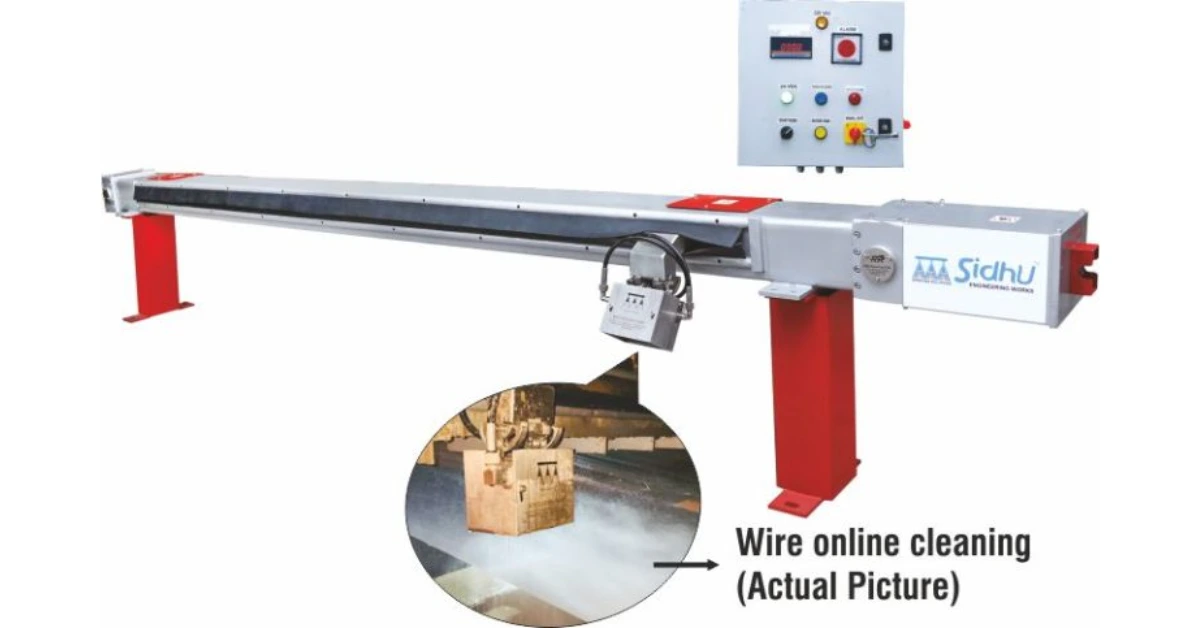
    Sidhu engineering successfully installed one more Robo cleaner in wire part at Gujrat Area.

    Proud to say they are the first inventor who bring this technology concept in India in and industries has proved that our unique designe is affective and helpful to paper industries towards save water & cleaning.

    The moment when Paper Industries recognized as Sidhu Engineering is a “innovative company” bring new concept in market. 

  • Shree Bihani Paper Syndicate

    Shree Bihani Paper Syndicate

    Interview with Mr. Vishal Bihani, Partner, Shree Bihani Paper Syndicate.
    Founded in 1972, Shree Bihani Paper Syndicate grew from a small initiative into a trusted name by delivering quality paper products with unwavering commitment and customer-first service.

    Paper Desk : Can you tell us about the origins of the Shree Bihani Paper Syndicate business? What inspired the founders to start in the paper / stationery industry?

    Vishal Bihani : Shree Bihani Paper Syndicate was founded in 1972 with a clear and focused objective, to provide the complete range of paper products to consumers under one trusted name. The founders identified a growing need for quality and reliable paper supplies in the Indian market. What began as a small initiative gradually strengthened into a reputed business known for its commitment to service and customer satisfaction. Over the years, this vision has continued to guide the company’s growth and reputation in the paper and stationery industry.

    PD : What core values or guidingprinciples have driven Shree Bihani Paper Syndicate growth over the decades?

    VB : From the very beginning,Shree Bihani Paper Syndicate growth has been guided by a clear principle—to cater to all kinds of paper and paper-based products for both B2C and B2B customers. This commitment to serving every segment with reliability and consistency has shaped the company’s journey over the decades. Strong customer focus, ethical business practices, and a dedication to quality have remained at the core of every decision.

    PD : How did the founders decide on the product mix (writing & printing paper, notebooks, stationery) in the early days?

    VB : In the early days, we began by selling Writing and Printing Paper, which formed the foundation of our business. As the demand from different consumer segments increased, we gradually expanded our product portfolio. This led us to start manufacturing notebooks, registers, and other related stationery items to serve a wider audience. The product mix evolved naturally based on market needs and our commitment to offering complete paper solutions. This approach helped us reach more consumers while strengthening our presence in the industry.

    PD : What are the main product lines of Shree Bihani Paper Syndicate (writing 4. paper, printing paper, notebooks, etc.)?

    VB : Shree Bihani Paper Syndicate primarily deals in a wide range of Writing and Printing Papers that cater to diverse industry needs. Our portfolio also includes high-quality Copier Paper, which is widely supplied to offices and institutions.

    In addition, we provide Rulled Paper specifically used for manufacturing notebooks and other stationery products. These focused product lines enable us to serve both wholesale and manufacturing segments efficiently.

    PD : How do you ensure quality in your paper products, particularly given the broad range (e.g., coated vs uncoated, specialty papers)?

    VB : To ensure consistent quality across our entire product range, we source our materials from some of the most prominent and reputable paper mills in the industry. These mills follow strict manufacturing standards, allowing us to offer both coated and uncoated papers with reliable performance. By partnering only with manufacturers known for top-grade production, we maintain uniform quality in every category. This commitment helps us supply specialty papers and regular grades with the same level of trust and consistency to our customers.

    PD : What role does technology play in your operations (e.g., for inventory, converting, packaging)?

    VB : Technology plays a key role in streamlining our day-to-day operations. We have been using an ERP system for many years, which helps us manage inventory, orders, and customer requirements with accuracy and speed. This digital integration ensures smooth coordination across all departments. By adopting efficient systems early, we are able to deliver faster service and maintain high levels of customer satisfaction—our foremost priority.

    PD : How has the demand for differenttypes of paper changed over time, and how has Shree Bihani Paper Syndicate adapted?

    VB : Over the years, the demand for various paper categories has shifted due to changing consumer preferences and industry trends. To stay aligned with these changes, we have continuously adapted our product SKUs based on market requirements. This flexibility has allowed us to introduce new grades, discontinue less-demanded items, and ensure the right products are always available. By closely monitoring market movements, Bihani has consistently stayed relevant and responsive to customer needs.

    PD : How do you managesupply-chain risks, such as price fluctuations in raw materials (pulp, paper stock)?

    VB : To manage supply-chain risks and price fluctuations, we maintain more than 20,000 sq. ft. of well-equipped godowns where adequate stock is always stored. This strong inventory buffer helps us absorb sudden market changes without affecting customer supply. By planning purchases strategically and stocking essential grades in advance, we reduce the impact of raw material volatility. This approach ensures steady availability, stable pricing, and uninterrupted service to our clients.

    PD : How does Shree BihaniPaper Syndicate positionitself in the highly competitive paper industry?

    VB : In a highly competitive industry, Shree Bihani Paper Syndicate has been able to establish a strong market position by consistently delivering reliable and high-quality products. Within a short period, we have proven our leadership across several product categories through performance, service, and customer trust. Our ability to understand market needs and respond quickly has further strengthened our presence. This reputation for dependability allows us to stand out even in a crowded marketplace.

    PD : What strategic partnerships have you formed (suppliers, distributors, perhaps with mills)

    VB : Over the years, we have built strong strategic partnerships with leading suppliers, distributors, and paper mills across the country. Our good creditworthiness and consistent business ethics make us a preferred partner for many in the industry. These long-term relationships ensure a steady supply of quality products and smooth operations. By maintaining transparency and reliability, we continue to strengthen our network and expand our reach.

    PD : Have you adopted digital tools in your operations (ERP, CRM, supply-chain software)?

    VB : Yes, we have adopted both ERP and CRM systems along with other advanced software tools to streamline our operations. These digital solutions help us manage inventory, customer relations, billing, and supply-chain activities with greater accuracy. By integrating technology into our workflow, we ensure faster response times and improved service quality. This digital transformation has strengthened our overall efficiency and enhanced customer satisfaction.

    PD : Are you exploring new material technologies (such as lightweight papers, specialty / high-end papers

    VB : We are always open to diversification and continuously explore new opportunities in material technologies. As market preferences evolve, we evaluate the potential of lightweight papers, specialty grades, and high-end products to expand our portfolio. Our focus is on identifying innovations that offer better performance and value to customers. This openness allows us to stay future-ready and adapt to emerging industry trends.

    PD : How do you plan to scale sustainably, considering environmental concerns in pulp and paper?

    VB : Sustainability is a key focus in our growth strategy. We increasingly source paper from mills that use bagasse and other wood-residue materials, reducing the dependence on pure pulp. This approach helps lower environmental impact while supporting responsible manufacturing practices. By prioritizing eco-friendly alternatives and partnering with mills that follow greener processes, we ensure our expansion remains both sustainable and socially responsible.

    PD : What role will innovation play in your growth, both in productsand business model?

    VB : Innovation plays an important role in staying competitive and relevant in the paper industry. We remain open to adopting new ideas and improvements in both our products and business processes whenever required. This flexibility allows us to respond to changing market needs and enhance efficiency. By embracing innovation thoughtfully, we aim to deliver better value to our customers and drive sustainable growth for the company.

    PD : How does Shree BihaniPaper Syndicate addressits environmental footprint (waste, recycling, energy usage)?

    VB : Shree Bihani Paper Syndicate is committed to minimizing its environmental footprint. We prioritize the use of recycled paper wherever possible, reducing the reliance on virgin materials. Additionally, we strive to optimize energy consumption throughout our operations. By focusing on sustainable practices in sourcing and usage, we aim to contribute to a greener and more responsible paper industry.

    PD : Doyou have any CSR (Corporate Social Responsibility) initiatives, for example in education, community development, or sustainability?

    VB : Yes, Shree Bihani Paper Syndicate actively engages in CSR activities, supporting initiatives in education, community development, and sustainability. While we are not legally required by authorities to undertake these programs, we believe in giving back to society. Our efforts reflect our commitment to social responsibility and creating a positive impact in the communities we operate in. Through these initiatives, we aim to contribute meaningfully beyond our business operations.

    PD : Doyou have policiesto ensure ethicalsourcing of raw materials / paper stock?

    VB : Shree Bihani Paper Syndicate strictly follows ethical sourcing practices for all its raw materials and paper stock. We ensure that our suppliers adhere to responsible and transparent manufacturing standards. This commitment guarantees that the products we provide are not only of high quality but also sourced responsibly. Upholding ethical standards is central to maintaining trust with our customers and partners.

    PD : How have global economic trends (e.g., raw material price volatility, supply- chain disruptions) impacted your business?

    VB : Global economic trends, including raw material price volatility and supply-chain disruptions, have influenced the paper industry over time. At Shree Bihani Paper Syndicate, we closely monitor these market shifts and adjust our product offerings and stock accordingly. This proactive approach helps us maintain consistent supply and meet customer expectations despite external challenges. By staying adaptable, we continue to operate efficiently in a dynamic global environment.

    PD : What recent milestones or achievements is Shree Bihani Paper Syndicate particularly proud of?

    VB : Shree Bihani Paper Syndicate takes pride in its multifold growth over recent years, both in terms of sales and profitability. This achievement reflects the effectiveness of our business strategies and the trust our customers place in us. Alongside financial growth, we have expanded our product range and strengthened our market presence. These milestones highlight our ongoing commitment to excellence and sustainable development in the paper industry.

  • Commission clears ITC buyout of Aditya Birla paper unit

    Commission clears ITC buyout of Aditya Birla paper unit

    The Proposed Combination refers to the sale of paper and pulp manufacturing business of Aditya Birla Real Estate Limited (Target Business) to ITC Limited, as a going concern, in accordance with the Business Transfer Agreement executed between the Parties.

    ITC Limited is a listed company with a diversified shareholding and presence across multiple industries. Its businesses encompass fast-moving consumer goods, paper, paperboards and packaging, agri-business, and information technology among others. Aditya Birla Real Estate Limited is a listed company and is part of the Aditya Birla group.

    It has diversified interests, including real estate and pulp and paper manufacturing. The Target Business entails the business of manufacturing, distribution and sale of paper and paperboard in India including, uncoated writing and printing paper (such as, creamwove, Maplitho and copier), kraft paper, virgin multi-layer board, tissue paper, cup stock, stiffener paper, etc.

  • Aaditya Kraft & Papers Pvt. Ltd

    Aaditya Kraft & Papers Pvt. Ltd

    Interview with Mr.Sabyasachi Behera, Director, Aaditya Kraft & Papers Pvt. Ltd.
    Aaditya Kraft & Papers Pvt. Ltd. provides reliable, high-quality paper for packaging and printing, built on quality, Innovation, and eco-friendly manufacturing. Our products are trusted for strength and performance.

    Paper Desk : What prompted the founding of Aaditya Kraft & Papers Pvt. Ltd. , and what is the core inspiration behind the brand?

    Sabyasachi Behera : Aaditya Kraft & Papers Pvt. Ltd. was founded with a clear purpose, to deliver reliable, high-quality paper solutions that meet the growing needs of packaging and printing industries. The core inspiration behind the brand is our commitment to consistent quality, customer-focused innovation, and environmentally responsible manufacturing. Our journey began with a vision to create a paper brand that customers can trust for strength, performance, and long-term value.

    PD : How did the founders translate their vision into operational reality in the early days?

    SB : In the early days, we translated our vision into reality by focusing on strong fundamentals, investing in the right machinery with continuous improvisation & investment, building a skilled team, and establishing strict quality controls. We worked closely with customers to understand their needs and adapted our production processes accordingly. This practical, hands-on approach helped us build a stable manufacturing foundation and a reputation for reliability in a very short time.

    PD : Can you share a milestone from the early years that solidified the company’s direction and inspiration?

    SB : One key milestone that shaped our direction was when we secured our first major repeat customer within the first few years. Their confidence in our quality and consistency validated our approach and reinforced our commitment to maintaining high standards. It proved that our focus on reliability, customization, and customer trust was the right path, and it became a strong motivation to scale our capabilities further.

    PD : What are the main product lines that Aaditya Kraft & Papers Pvt. Ltd. currently offers, and how have they evolved over time?

    SB : Aaditya Kraft & Papers Pvt. Ltd. currently offers MF Kraft Paper specializing in low GSM, Kraft Boards, PE coated Paper, Grey Boards & Kappa Board, and other customized paper solutions for packaging and printing applications. Over time, our product lines have evolved through continuous upgrades in technology and customer feedback. We have improved GSM stability, surface finish, strength properties, and developed industry-specific grades to meet the growing needs of FMCG, food packaging, and industrial sectors.

    PD : What kinds of raw materials and manufacturing technologies does the company use for its kraft paper and multi-layer board products?

    SB : For our Kraft paper and multi-layer board products, we use high-quality recycled fiber, imported waste paper, and carefully selected additives to ensure superior strength and durability. On the manufacturing side, we rely on advanced pulping systems, refined fiber processing, automated formation controls, efficient drying technologies, and online quality monitoring. This combination of premium raw materials and modern machinery allows us to deliver consistent GSM, excellent burst and tensile strength, and stable reel quality across all our grades.

    PD : What technology upgrades have been implemented recently (e.g., automation, digital monitoring)?

    SB : In recent years, we have implemented several key technology upgrades, including automated process controls, automatic steam control, digital monitoring systems, and real-time quality tracking across the production line. We have enhanced our machine efficiency, moisture control, online GSM monitoring, and energy optimization through modern automation tools. These upgrades have helped us improve consistency, reduce downtime, and deliver far more stable and uniform paper quality to our customers.

    PD : How does Aaditya Kraft & Papers Pvt. Ltd. tailor its product offerings to different end-markets (e.g., packaging, tissue, allied industries)?

    SB : We tailor our products to each end-market by focusing on application-specific performance requirements. For packaging, we prioritize burst strength, tensile properties, and durability along with understanding customer application & utilization. For allied industries, we develop custom GSM, finishes, and moisture profiles based on their operational needs. Our ability to fine-tune fiber mix, machine settings, and quality parameters allows us to deliver paper grades that match the exact expectations of every segment we serve.

    PD : How does the company identify opportunities for innovation in the paper & board sector?

    SB : We identify innovation opportunities by closely tracking market trends, customer feedback, and technological advancements in the global paper & board sector. Our team regularly studies emerging needs in packaging, sustainability, and efficiency.

    We also collaborate with suppliers, industry experts, and end-users to understand performance gaps. This proactive approach helps us introduce improved grades, enhance strength properties, reduce environmental impact, and continuously upgrade our product portfolio.

    PD : What role do strategic partnerships, collaborations or R&D play in staying ahead in the market?

    SB : Strategic partnerships and R&D play a crucial role in helping us stay ahead. By collaborating with technology providers, chemical suppliers, and industry experts, we gain early access to better solutions and process improvements. Our ongoing R&D efforts help us refine fiber mixes, enhance strength properties, and develop customer-specific grades. These collaborations ensure we remain competitive, innovative, and well-prepared to meet the evolving demands of the paper and board market.

    PD : Can you give an example of a recent innovation (product-, process- or business-model-led) that the company has introduced?

    SB : One of our recent innovations has been the development of enhanced high-strength kraft boards with better strength & properties designed specifically for modern packaging demands. By optimizing our fiber blend and upgrading process controls, we achieved better performance parameters as compared to GREY Kappa Boards resulting in better strength, efficiency & quality.burst strength, stretch, and moisture stability without increasing GSM. On the process side, we introduced digital quality monitoring, which has significantly reduced variation and improved reel consistency. This combination of product and process innovation has strengthened our value proposition in competitive markets.

    PD : What has been the strategic roadmap for Aaditya Kraft & Papers Pvt. Ltd. over the last 3 to 5 years?

    SB : Over the last 3 to 5 years, our strategic roadmap has focused on three priorities: capacity optimization, technology modernization, and vertical integration through diversification. We invested in automation, strengthened our quality systems, and introduced high-performance paper & board grades to meet new market demands. At the same time, we expanded our customer base across packaging, board products, and allied industries while reinforcing our commitment to sustainability. This structured roadmap has positioned Aaditya Kraft & Papers Pvt. Ltd. for stable growth and long-term competitiveness.

    PD : How does the company balance cost-efficiency with investment in new capacity or technology?

    SB : We balance cost-efficiency with new investments by following a disciplined, phased approach. Every technology or capacity upgrade is evaluated for its long-term operational savings, quality improvement, and market impact. We prioritize automation and energy-efficient systems that reduce wastage and lower operating costs. By optimizing existing resources and reinvesting our efficiencies back into the business, we ensure that each investment strengthens both our competitiveness and financial stability.

    PD : What have been the major challenges (logistics, raw material costs, regulation, etc.) and how were they tackled?

    SB : The major challenges we faced are fluctuating raw material costs, logistics disruptions, and evolving regulatory requirements. Recently GST changes played a major role in slowing down the customer demands. Regulatory compliances is one of the major challenge for any industry especially pertaining to to water, pollution and factories regulations. Constant changes in regulation results in ineffective utilization of the resources for complying to the needs of the Govt. We tackled our procurement challenges by strengthening our supplier network, improving our inventory planning, and optimizing fiber usage to maintain cost stability. On the logistics side, we adopted better scheduling and closer coordination with transport partners to ensure timely deliveries. For regulatory changes, we upgraded our processes and compliance systems proactively. These measures helped us stay resilient while maintaining consistent quality for our customers.

    PD : What digital or Industry 4.0 technologies (IoT, sensors, analytics) has Aaditya Kraft & Papers Pvt. Ltd. adopted in its manufacturing process?

    SB : Aaditya Kraft & Papers Pvt. Ltd. has actively adopted key Industry 4.0 technologies to enhance process stability and quality. We use IoT-enabled sensors, online GSM and moisture monitoring, and real-time machine analytics to track performance across the production line. Our digital dashboards provide continuous insights into energy usage, consistency levels, and machine efficiency. These technologies help us reduce variation, predict issues earlier, and maintain uniform quality across every batch.

    PD : How is the maintenance of legacy equipment balanced with the introduction of cutting-edge technology?

    SB : We maintain a careful balance by retrofitting legacy equipment with modern controls while introducing new, cutting-edge machines where it adds the most value. Preventive maintenance programs ensure older equipment operates reliably, while selective upgrades and automation enhance efficiency and quality. This approach allows us to leverage existing assets effectively, control costs, and integrate new technology without disrupting production.

    PD : How has technology helped improve yield, reduce waste or enhance sustainability in the paper-production process?

    SB : Technology has significantly improved our yield and sustainability. Automated process controls, digital quality monitoring, and precision moisture management reduce material wastage and rework. Optimized fiber usage and energy-efficient systems lower environmental impact, while real-time analytics help us continuously fine-tune production for maximum efficiency. Together, these measures enhance both operational performance and our commitment to eco-friendly manufacturing.

    PD : What are the key growth targets for Aaditya Kraft & Papers Pvt. Ltd. over the next 5 years (volume, geography, product mix)?

    SB : Over the next 5 years, Aaditya Kraft & Papers Pvt. Ltd. aims to expand production volumes, diversify our product mix, and enter new geographic markets. We plan to increase capacities in high-demand grades like kraft and specialty papers, introduce innovative, eco- friendly products, and strengthen our presence in both domestic and select international markets. Our goal is sustainable growth while maintaining consistent quality and customer trust.

    PD : What macro-trends in the paper & packaging industry (e.g., sustainability, e-commerce packaging, recycling) does Aaditya Kraft see as opportunities?

    SB : We see several macro-trends as major opportunities, including sustainable and recycled paper, e-commerce packaging solutions, and demand for lightweight, high-strength boards. The growing focus on eco-friendly materials and regulatory pressures for recyclable packaging are driving innovation. By aligning our product development with these trends, we can meet evolving customer needs while contributing to a more sustainable industry.

    PD : What risks might hamper future growth (raw material volatility, regulatory changes, competition) and how is the company preparing for them?

    SB : Key risks include raw material price volatility, regulatory changes, and intensified competition. We mitigate these by diversifying our supplier base, maintaining strategic inventory buffers, staying proactive on compliance, and continuously upgrading technology to improve efficiency. Additionally, our focus on innovation and customer-centric solutions helps us remain competitive and resilient against market fluctuations.

    PD : How is the company engaging with the local community around its operations (employment, infrastructure, education)?

    SB : Aaditya Kraft & Papers Pvt. Ltd. is committed to supporting the local community around its operations. We focus on creating employment opportunities, supporting local infrastructure development, and promoting education initiatives. Through skill development programs, partnerships with schools, and community projects, we aim to contribute positively to the social and economic well-being of the region while fostering a strong, mutually supportive relationship with our neighbors.

    PD : Are there certifications or recognitions the company has received in environment or social governance?

    SB : Aaditya Kraft & Papers Pvt. Ltd. has earned certifications and recognitions that reflect our commitment to environmental responsibility and social governance. These include ISO 9001 for quality management, ISO 14001 for environmental management, and other industry-specific compliances. These certifications ensure that our operations meet high standards for sustainability, safety, and ethical practices, reinforcing trust with customers, partners, and the community.

    PD : What further steps does the company intend to take in social responsibility to align with global best-practices?

    SB : Aaditya Kraft & Papers Pvt. Ltd. plans to further strengthen its social responsibility initiatives by enhancing community development programs, supporting sustainable education and skill-building, and adopting global best practices in environmental and social governance. We aim to integrate CSR more deeply into our business strategy, ensuring measurable impact while promoting long-term social and environmental sustainability.

    PD : Has Aaditya Kraft & Papers Pvt. Ltd. been involved in any major partnerships, joint-ventures or alliances recently?

    SB : Yes, Aaditya Kraft & Papers Pvt. Ltd. has actively pursued strategic partnerships and alliances to strengthen technology adoption, expand product offerings, and enhance market reach. While we maintain confidentiality on specific commercial arrangements, these collaborations focus on process improvements, product innovation, and sustainable solutions, allowing us to stay competitive and deliver greater value to our customers.

    PD : What role does digital/online marketing and E-commerce play in the company’s strategy now or in future?

    SB : Digital marketing and e-commerce are becoming increasingly important in our strategy. We use online platforms to reach new customers, showcase our product portfolio, and provide technical support and order facilitation. Looking ahead, we plan to strengthen our digital presence, leverage analytics for market insights, and explore e-commerce channels to make our products more accessible while enhancing customer engagement and convenience.

    PD : If you were to sum up the next major “news-worthy” event for Aaditya Kraft & Papers Pvt. Ltd. in the coming year, what would it be?

    SB : The next major news-worthy event for Aaditya Kraft & Papers Pvt. Ltd. will be the launch of our upgraded high-performance paper grades and capacity expansion initiatives, aimed at meeting growing demand in packaging and specialty segments. This milestone reflects our commitment to innovation, sustainability, and providing enhanced value to customers while strengthening our market position.

  • Cheema Papers Ltd

    Cheema Papers Ltd

    Interview with Ms.Anmol Gill Cheema, Director, Cheema Papers Ltd.
    Since 1989, Cheema Papers has pioneered recycled paper manufacturing—blending quality, sustainability, and technology to drive progress with a lighter environmental footprint.

    Paper Desk : What inspired the founding of Cheema Papers Ltd, and how has that founding vision changed over time?

    Anmol Gill Cheema : Our story began in 1989, right at the genesis of India’s organized paper industry. Cheema Papers Ltd was founded with a dual purpose: to pursue a long-held family ambition of growing into the manufacturing sector, and more importantly, to contribute to the nation’s progress through sustainable means. From day one, our core vision has been centred on pioneering recycled paper manufacturing. While our commitment to quality and sustainability is unwavering, we’ve consistently evolved by integrating modern process automation and advanced technology to not just boost efficiency, but to continually minimize our environmental footprint.

    PD : What core values or guiding principles have steered Cheema Papers through its history?

    AGC : For Cheema Papers Limited, our success is rooted in a straightforward, consistent approach: Integrity and honesty govern our internal dealings, ensuring ethical practices are non-negotiable. This moral compass directly supports our dual commitment to the customer and the planet. Our fierce custom of focus and loyalty to our clients guarantees we deliver exceptional quality.

    At the same time, sustainability and innovation aren’t just buzzwords; they are the driving principles that compel us to adopt long-term environmental responsibility in every sheet of paper we produce. These values aren’t separate; they are a holistic guide for every decision we make.

    PD : Can you highlight major milestones in Cheema Papers’ growth, especially in challenging periods?

    AGC : Our journey has been marked by significant milestones, driven by a commitment to constant improvement. We’ve not only substantially increased our production capacity but have continually invested in energy-efficient technologies to future-proof our operations. Critically, we’ve broadened our portfolio, launching new, high-quality product lines specifically tailored to meet our valued customers’ evolving needs. What truly sets us apart is our resilience. Through challenging periods—whether it was market fluctuations or volatile raw material costs—our core strength lay in our teamwork and innovation. That dedication didn’t just stabilize us; it powered our steady growth and solidified our strong market position.

    PD : What are the primary product lines at Cheema Papers (e.g. writing paper, printing paper, craft paper), and what distinguishes each?

    AGC : Our entire manufacturing focus is dedicated to the packaging industry, and our core mission is simple: providing the foundational materials that guarantee product safety. Our duplex paperboard is known for its board across the industry strength and premium surface qualities—its exceptional smoothness, shine, and reflective nature make it the preferred canvas for printing units that require flawless graphic reproduction.

    We offer this versatile board across a wide range of GSM options for various carton and folding box applications. In contrast, our high BF Kraft paper is specifically engineered for maximum strength, valued for its superior bursting factor(BF) to create dependable, robust packaging that withstands demanding logistics. Crucially, every single product line, from the glossy duplex board to the high bf Kraft, is underpinned by strict quality control and a constant, unwavering adherence to sustainable manufacturing practices.

    PD : How does Cheema Papers maintain quality and consistency across its paper products?

    AGC : For us, quality is a disciplined science. We ensure absolute consistency through a combination of advanced manufacturing technology and a regimen of rigorous, continuous process monitoring. Every single batch passes through strict quality checks, beginning with the selection of raw materials and culminating in the final product inspection. This ensures our customers can always rely on the high standard of Cheema Papers. This dedication is matched by our people: our staff is expertly trained to uphold paper product.

    PD : What technology or processes do you use in coating, finishing, or paper treatment to improve product performance?

    AGC : In recent years, we’ve made significant technological investments across our operations to enhance both product performance and sustainability. Our facility now features a state-of-the-art pulp mill and some of the most advanced coating technologies available in the market. We’ve also upgraded our calendaring systems to achieve superior surface smoothness and gloss control, ensuring consistent quality across every batch. On the finishing side, we’ve introduced high-end zero-trim sheeters that deliver precise cut sizes and minimize waste, along with advanced shrink-packaging systems that improve handling and protection. In parallel, we’ve strengthened our environmental commitment by upgrading our effluent treatment plant (ETP) for more efficient water treatment and reduced environmental footprint. Altogether, these technological advancements have allowed us to deliver better-performing papers with higher consistency, reduced variability, and improved sustainability.

    PD : How do you innovate in raw material selection (pulp, recycled fiber, additives) to achieve cost & quality balance?

    AGC : In today’s highly volatile market, managing both cost and quality is paramount. Our strategy is built on intelligent sourcing: we strategically procure premium raw materials—including high-quality pulp, recycled fibre, and eco-friendly additives—to strike the perfect balance between superior product performance and efficient production cost. Innovation for us is centred on the continuous process of optimization. This means we are constantly testing alternative materials, refining our pulp blends, and leveraging sustainable sources. This proactive approach allows us to effectively mitigate price fluctuations and keep our production costs stable without ever compromising the quality our customers demand. Ultimately, our goal is to deliver the absolute best finished material. We manage this delicate balance by meticulously tracking market volatility while ensuring our solutions remain economical for the broader packaging industry, proving that high quality and cost-efficiency can go hand-in-hand.

    PD : How does Cheema Papers monitor market trends (e.g. digital media, sustainability) to guide product development?

    AGC : Our competitive edge stems from a commitment to proactive market sensing. We don’t wait for trends to hit us; we closely monitor market dynamics, including the global shift towards sustainable packaging, the rise of digital media, and rapidly evolving customer needs. Our market intelligence is gathered through multiple crucial channels: analysing comprehensive industry reports, attending key trade shows, and maintaining a direct feedback loop with our client base, which is our paramount source of information. We also embrace the digital sphere, actively leveraging platforms like LinkedIn to gain real-time insight into competitor strategies and global industry norms. These rich, continuous insights are what fuel our business. They guide our product development process, allowing us to innovate responsibly and consistently stay ahead in this highly competitive market.

    PD : What recent innovations (new grades of paper, eco-friendly lines, and specialty papers) have you introduced?

    AGC : Right from our inception, Cheema Papers Limited has been defined by eco-conscious innovation. We didn’t just start with paper; we immediately introduced eco-friendly lines made from recycled fibers. This commitment to specialty and quality has only deepened. Recently, we’ve expanded to meet critical market needs, notably by adding High BF MG Kraft paper suitable for the demanding food-grade packaging industry. On the duplex board side, our range spans the full spectrum—from lower to higher GSM options—ensuring we can precisely match any client requirement for quality and thickness. But our true focus remains on performance: we engineer our duplex paper for optimal stiffness, smoothness, and surface quality, providing printers with a truly superior canvas.

    PD : How does Cheema Papers manage its supply chain (for pulp, chemicals, energy) to mitigate risks?

    AGC : To guarantee consistent quality, we have built a strategic sourcing advantage. Our expert procurement team maintains strong relationships with reliable suppliers while continually diversifying our channels for critical resources like pulp, chemicals, and energy. This level of foresight is essential. By constantly monitoring inventory and implementing proactive risk mitigation plans, we ensure our production runs without interruption, allowing us to deliver reliable, high-standard products to our customers regardless of market volatility.

    PD : What strategies do you use to expand your presence in domestic vs export markets?

    AGC : Domestically, our strategy isn’t just about transactions—it’s about legacy and partnership. We dedicate ourselves to strengthening relationships with our distributors and dealers, ensuring a consistent supply of our paper while offering customized solutions for local demands. What truly sets us apart is the depth of our commitment: our dealer network isn’t just strong; it’s generational. Just as our company is transitioning to its next era of leadership, our dealers are seeing their businesses change hands from father to son. This shared history, spanning over 35 years, has built a powerful, unbreakable bond of hard work and commitment, ensuring we consistently deliver quality products to our loyal customers.

    PD : How do you compete on cost, quality, and service against other paper manufacturers in India and abroad?

    AGC : The paper industry is currently navigating a period of significant volatility, driven by both erratic raw material costs and shifting global market demands. This makes maintaining our price points a major strategic priority. Our goal is to perform a precise balancing act—meticulously managing our manufacturing costs while ensuring our end product remains highly competitive in both quality and price. For us, this isn’t just about survival. We are intensely focused on providing our customers with the exact product specifications they need, consistently and at a price that works for their business.”

    PD : What role do automation and process control (e.g. in pulp refining, paper machines) play in your operations?

    AGC : We firmly believe that automation is the inescapable present and future of our industry. Our approach isn’t about massive overnight change; it’s about strategic, continuous integration. We apply technology at every possible point, from the initial gate entry of raw material to the final dispatch of the finished product, always scaling to match our financial capacity and machinery configuration. This pervasive application of technology is the engine behind our consistent, reliable product quality. By implementing these digital and automated systems, we optimize energy and resource use, drastically reduce waste, and improve overall operational efficiency, allowing us to reliably meet the highest production standards.”

    PD : What technical challenges have you faced (e.g. maintaining brightness, durability, moisture resistance) and how were they solved?

    AGC : The paper industry remains inherently labour-intensive, especially for an operation of our size within the SME category. We recognize that where there is significant human involvement, there is always the possibility of human error, and we train our staff with that understanding. Compounding this challenge are the severe environmental factors unique to our region—fluctuations in weather, dust, and moisture levels make maintaining a consistent product quality throughout the year an intricate battle. To counter these variables, we rely on continuous research and development and rigorous testing. We invest heavily in advanced coating techniques and precise process controls to consistently manage the technical challenges of achieving uniform brightness, durability, and moisture resistance. This commitment to technical mastery is what allows us to consistently overcome daily obstacles while reliably delivering the high quality our customers expect.

    PD : Where do you see Cheema Papers in 5–10 years, new product lines, capacity expansion, and new geographies?

    AGC : I’m going to reframe this question and let’s say “where do you see paper industry in the next 5 to 10 years?” When we look at the paper industry over the next five to ten years, we see an undeniable trend toward consolidation, with larger industrial giants increasingly dominating the landscape. This creates an extremely difficult operational environment for small and medium-sized units. These are challenging times where the paper segment must act with a sense of collective responsibility. For the industry to successfully navigate this volatile market, it is vital that we, as competitors, prioritize cohesion and strategic collaboration. Our success should not come at the cost of others. If we fail to unite and leverage our shared strengths, we risk witnessing the unfortunate exit of many valued peers from the market—a loss that weakens the entire domestic industry structure.

    PD : How will sustainability (e.g. use of recycled materials, lower emissions) factor into your growth trajectory?

    AGC : It is an unfortunate truth that we are living in a time of planetary distress. For Cheema Papers, this means sustainability is no longer an option—it is a collective imperative. Our mission is to make our unit holistically sustainable to protect the environment before it’s too late. This commitment spans every single process: from responsibly sourcing raw materials and guaranteeing the correct disposal of waste through advanced treatment plants, to pioneering the use of eco-friendly products. We are continually focused on innovating our processes to reduce our environmental footprint and ensure we are part of the solution for a greener planet.

    PD : What steps does Cheema Papers take to reduce its environmental impact (water use, emissions, waste)?

    AGC : At Cheema Papers, our environmental responsibility is woven into our daily operations as we concentrate our efforts to drastically reduce our carbon footprint across the entire manufacturing lifecycle. This commitment begins with prioritizing sustainable and recycled raw material sourcing and extends to the proper disposal of all manufacturing waste. We are intensely focused on water stewardship, utilizing highly efficient technology in our treatment plant to ensure daily consumption is reduced and strictly monitored. Crucially, we practice resource circularity by utilizing treated backwater for necessary cleaning processes, and we actively engage in rainwater harvesting. Furthermore, our environmental commitment extends to our people: our staff is rigorously trained to maintain impeccable cleanliness and strictly adhere to a no-plastic policy across our entire campus. All of these actions, collectively, demonstrate our dedicated effort to care for our environment and give back in the best ways possible.

  • Pawan Agarwal and Pavan Khaitan elected as President & Vice President of IPMA

    Pawan Agarwal and Pavan Khaitan elected as President & Vice President of IPMA

    Mr. Pawan Agarwal, Managing Director, Naini Papers Ltd. has been re-elected as the President of Indian Paper Manufacturers Association (IPMA) at the 26th Annual General Meeting of the national apex body of Paper sector in India. Mr. Pavan Khaitan, Vice Chairman & Managing Director, Kuantum Papers Ltd. is the new Vice President of IPMA.

    Mr. Pawan Agarwal started his career as a business technocrat by putting up Naini Papers Limited at Kashipur, Uttarakhand in the year 1995. The company is a leading manufacturer of writing & printing and industrial grades of paper. Mr Pawan Agarwal has also served as President of Indian Pulp & Paper Technical Association (IPPTA) for a period of 2 years from 2017 to 2019.

    Mr. Pavan Khaitan took over the reins of Punjab based Kuantum Papers, one of the leading agro and wood-based paper manufacturers in India, in 1997. He has played a pivotal role in nurturing the company’s growth and creating successful collaborations with MNCs. He also holds the position of President of IPPTA.

    The Chairmen of various IPMA Sub-Committees were also nominated at the AGM of IPMA as follows:

    • IPMA Commercial & Taxation Sub-Committee: Mr. Sushil Kumar Khetan (Emami Paper Mills Ltd.);
    • IPMA Marketing Sub-Committee: Mr. Rajesh Kumar Ponnuru (ITC Ltd. PSPD);
    • IPMA Raw Material Sub-Committee: Mr. A S Mehta (JK Paper Ltd.); and
    • IPMA Technical & Environment Sub-Committee: Dr. Ashok Kumar (Pudumjee Paper Products Ltd.).

    As a national industry body, Indian Paper Manufacturers Association (IPMA) represents the resurgent and organised face of the INR 1,00,000 Crore Paper Industry in India. The industry provides direct employment to 5,00,000 persons and indirectly to around 1.5 million. IPMA membership comprises large integrated pulp & paper mills from the private and public sector with a product mix of all varieties of paper (writing, printing, packaging, paperboard, specialty and newsprint) located in all regions of the country using conventional fibre such as wood & bamboo and also unconventional raw materials like recycled fibre/recovered paper, agro residue, viz. bagasse and wheat straw.

  • IPMA urges rollback of GST hike on paper to 12%

    IPMA urges rollback of GST hike on paper to 12%

    The Indian Paper Manufacturers Association (IPMA) has expressed deep concern over the recent GST hike on paper and paperboard from 12% to 18%.

    In its representation to the Finance Ministry, IPMA outlined the significant challenges this poses to domestic manufacturing and the affordability of educational materials:

    Rising costs of books run contrary to the government’s goal of making education more affordable and accessible.

    • Inverted duty structure in the carton and packaging segment (18% input vs. 5% output) leads to blocked working capital and delayed refunds
    • Notebooks fall under nil GST while paper remains at 18%, rising notebook prices instead of going down.
    • Misclassification of paper as a premium commodity disregards its fundamental role as an essential medium for education and communication.

    With the matter now escalated to the Honorable Prime Minister’s Office, the industry remains hopeful for a positive resolution in the interest of students, educators, and India’s sustainable paper ecosystem.