Tag: Packaging Industry

  • JK Paper Undertakes Corporate Restructuring with Amalgamation and Demerger Plan

    JK Paper Undertakes Corporate Restructuring with Amalgamation and Demerger Plan

    JK Paper Undertakes Corporate Restructuring with Amalgamation and Demerger Plan


    JK Paper Limited has embarked on a major corporate restructuring initiative involving the amalgamation of subsidiaries and demerger-related operations, in a move aimed at simplifying its organisational structure and enhancing operational efficiency.

    The restructuring follows the approval of a composite scheme of arrangement by the National Company Law Tribunal, allowing the company to proceed with a comprehensive reorganisation of its group entities.

    As part of the scheme, multiple wholly owned subsidiaries—primarily engaged in the packaging segment—will be merged into the parent entity. This consolidation is expected to streamline operations, reduce administrative complexities, and create stronger integration across business verticals.

    The restructuring plan also includes elements of demerger and internal realignment, designed to optimise the company’s paper and packaging businesses. By bringing related operations under a unified structure, JK Paper aims to improve efficiency, strengthen synergies, and better position itself in the fast-growing packaging market.

    Company officials indicated that the initiative is focused on enhancing value for stakeholders through improved resource allocation and sharper business focus. The move is also expected to support long-term growth by enabling quicker decision-making and improved cost management.

    The scheme has received the necessary approvals from shareholders and creditors and has now entered the implementation phase. With this restructuring, JK Paper is expected to emerge as a more agile and integrated enterprise, aligned with evolving industry dynamics.

    The development reflects a broader trend among Indian manufacturing companies to consolidate operations and restructure business portfolios in order to remain competitive in an increasingly dynamic market environment.


  • Coveris announces agreement to sell Paper Business Unit

    Coveris announces agreement to sell Paper Business Unit

    Coveris, one of the major European flexible plastic and paper packaging manufacturers, have announced the agreement to sell its labels and board business to the US Private Equity company Kingswood Capital Management.

    After the signing in January 2026, the deal is subject to customary completion undertakings and is expected to close within the first quarter of 2026, with the former Business Unit Paper operating as stand-alone entity under its former name of Paragon Print and Packaging.

    Christian Kolarik, Chief Executive Officer of Coveris: “Since its establishment in 2020, the Paper Business Unit has been consistently and successfully developed. We are proud about the achieved performance and its current level of maturity led to the join decision by Sun Capital and management to divest the business, allowing a clear strategic focus on core EMEA flexible packaging activities. We are confident that the Paper Business is well positioned for continued growth under new ownership.”

    Upon the closing of the deal, the Coveris operations will consist of 17 flexible manufacturing facilities in EMEA and UK, with a sales volume of EUR 600m and a workforce of 2500 employees. Paragon Print and Packaging will operate with a sales volume of EUR 270m and a workforce of 1400 colleagues.

  • Paperex 01-04 Dec ‘2027

    Paperex 01-04 Dec ‘2027

    Paperex is more than an exhibition, it’s the world’s largest business platform uniting every segment of the paper value chain.

    From cutting-edge technology and raw materials to sustainable innovations and end-use applications, Paperex brings together global industry leaders, innovators, and decision-makers under one roof.

    Whether you’re looking to source the latest machinery, explore new markets, showcase your brand, or connect with high-value buyers, Paperex offers unmatched opportunities for growth, networking, and industry insight.

    For more info: https://india.paperex-expo.com/

    Date: 01-04 Dec ‘2027

    Venue: Yashobhoomi, International Convention & Expo Centre, New Delhi

  • PRIMA Group

    PRIMA Group

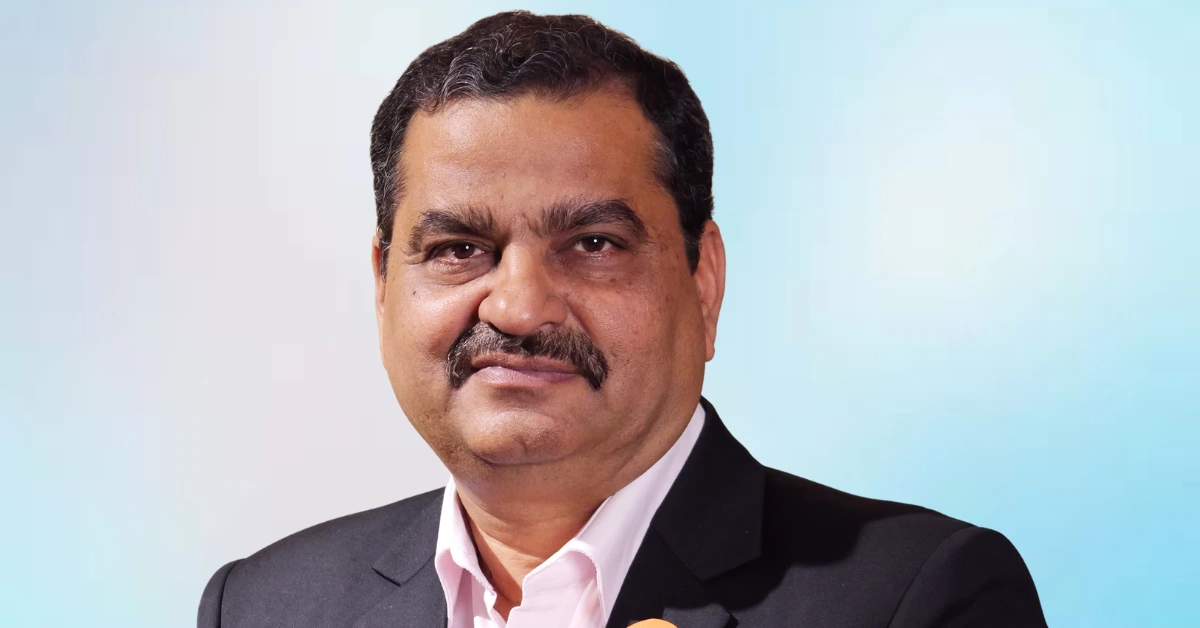
    Interview with Dr. Pritesh M. Shah, Chairman, PRIMA Group.
    Guided by responsibility, safety, innovation, and integrity, we engineer reliable environmental monitoring solutions that help create cleaner industries and a more sustainable future.

    PaperDesk : What motivated the foundation of Prima Equipment in 1992 and how has the company’s mission evolved since then?

    Pritesh M. Shah : Prima Equipment was founded in 1992 with a clear purpose—to develop reliable, indigenous environmental monitoring systems for Indian industries. At that time, industries were heavily dependent on imported instruments that were expensive, difficult to service, and not built for Indian tropical conditions. I saw the need for technology that was engineered, manufactured, and supported locally.

    From our earliest days, our focus was on building instruments that industries could trust through all conditions. Over time, our mission expanded from providing reliable measurement systems to delivering complete, intelligent environmental ecosystems that support long-term sustainability. Today, we work to ensure our customers progress from meeting compliance to enabling responsible, sustainable industrial growth. Our core belief remains unchanged: “Only with clean environment & intentions, rises a clean great nation.”

    PD : How do the company’s core values around environment, safety and innovation influence operations and strategy?

    PMS : Our values guide every aspect of our business—environmental responsibility, industrial safety, innovation rooted in self-reliance, and integrity. These principles shape how we design products, conduct research, train teams, and deliver services.

    Environmental monitoring is not just technology; it is responsibility. Our commitment to accuracy, reliability, and ethical engineering ensures that every decision we make contributes to cleaner industries, safer workplaces, and a more sustainable future.

    PD : Could you highlight a few key milestones that shaped Prima’s growth?

    PMS : Several milestones shaped our journey. In the late 1990s, we developed India’s first indigenous Continuous Emission Monitoring System designed specifically for Asian tropical conditions. As industries evolved, we were among the first to incorporate IoT in environmental monitoring. We established a 39,000 sq. ft. integrated manufacturing and R&D facility that consolidated design, electronics, firmware, mechanical engineering, and calibration under one roof. One of our proudest achievements has been earning global certifications such as QAL-1 compliance under EN 14181 & EN 15267-3 and, more recently, the MCERTS certification in 2025. These recognitions validated our commitment to engineering excellence and demonstrated that Indian technology can surpass global benchmarks.

    PD : What are the primary product categories offered by Prima and how do they serve industrial clients?

    PMS : Prima offers a comprehensive portfolio that includes Continuous Emission Monitoring Systems, Ambient Air Quality Monitoring System, Occupational Safety and Health monitoring instruments, Process Gas Analyzers, Fuel and Efficiency Monitoring instruments, and Industrial Quality Control analyzers. Our systems help industries ensure compliance, improve operational transparency, safeguard workers, and optimize energy and resource usage. By offering reliable, high-accuracy data, we help industries transition confidently from compliance-driven operations to sustainable practices.

    PD : How does Prima ensure that its instruments meet international standards and certifications?

    PMS : We follow stringent testing frameworks aligned with EN, CE, IEC, and ISO-based quality systems. Every instrument undergoes comprehensive endurance checks, drift testing, EMC verification, vibration analysis, and ISO-traceable calibration. These measures ensure global-level performance and long-term stability. For us, certification is not a requirement—it is a responsibility to our customers and to the environment.

    PD : What are the technology challenges in designing monitoring systems for harsh industrial conditions?

    PMS : Industrial environments in India and Asia present unique challenges—high humidity, monsoon exposure, corrosive gases, dust-heavy processes, temperature fluctuations, and unstable power conditions. Imported systems often fail because they are not designed for such variables. Our systems are engineered specifically for these realities. We use corrosion-resistant materials, robust electronics, drift-stable optics, enhanced thermal control, and advanced algorithms to ensure measurement integrity. Reliability is the first step toward sustainability, because only a reliable system can support environmental accountability.

    PD : How does Prima’s in-house design and manufacturing model contribute to product quality?

    PMS : In-house design gives us full control over quality—from firmware and electronics to mechanical engineering, calibration, and field simulation. This ensures consistency, faster innovation cycles, and the ability to customize solutions for industry-specific requirements. The result is equipment that performs reliably across diverse industrial conditions for many years.

    PD : Which end-industries constitute your major customer base?

    PMS : We serve a wide range of sectors—including power generation, cement, iron and steel, pulp and paper, pharmaceuticals, chemicals, waste-to-energy, and agro-processing industries.

    Each industry has distinct operational demands, and our solutions are designed to integrate seamlessly into these varied environments.

    PD : How is Prima innovating its offerings to stay ahead of compliance demands?

    PMS : We innovate proactively, not reactively. Our systems incorporate IoT-driven remote monitoring, intelligent diagnostics, automated calibration, predictive maintenance insights, and modular upgrades.

    These technologies help industries stay ahead of regulatory changes and improve both environmental and operational performance.

    PD : Can you share an example of a customized monitoring solution delivered by Prima?

    PMS : A chemical plant approached us with demanding conditions—high moisture, acid mist, fluctuating gas levels, and corrosive fumes. Their imported analyzers faced repeated failures. We engineered a specialized solution using SS316L components, temperature-stabilized optics, advanced gas-filter algorithms, and anti-condensation safeguards. The system delivered stable, high-accuracy performance over sustained periods. This success demonstrated how robust engineering directly supports sustainable compliance for industries operating in extreme conditions.

    PD : How has Prima scaled its manufacturing and export operations?

    PMS : Our integrated manufacturing campus, combined with export-ready design architecture, has allowed us to scale seamlessly. With strong in-house R&D, a disciplined production methodology, and globally compliant systems, we have transitioned from serving local industries to becoming a trusted global supplier.

    PD : What are Prima’s key competitive advantages?

    PMS : Our biggest strengths are indigenous innovation, engineering tailored for tropical conditions, a strong service network, ISO-traceable calibration practices, and reliable long-term performance. We promise reliability—and reliability is the foundation of sustainability in industrial environments.

    PD : How do you ensure reliability and uptime for your customers?

    PMS : We ensure this through nationwide service teams, remote diagnostics, preventive maintenance programs, pre-stocked spare parts, and fast response on-site support. When industries depend on real-time data to meet their environmental obligations, continuous uptime becomes critical—and we take that responsibility seriously.

    PD : How do you integrate digital monitoring and analytics into your systems?

    PMS : Digitalization is transforming environmental monitoring. Our platforms offer cloud dashboards, mobile access, predictive alerts, automated compliance reports, and secure data redundancy. By converting data into actionable insights, we help industries make informed decisions that enhance both reliability and sustainability.

    PD : For CEMS, what critical variables must your equipment reliably handle?

    PMS : A CEMS must handle high temperatures, dust loading, moisture, acid fumes, fluctuating velocities, and variations in gas concentrations. These complexities make reliability essential. A system that cannot manage these variables cannot support sustainable environmental management.

    PD : What is the role of calibration and traceability?

    PMS : Calibration defines accuracy and credibility. We maintain strict ISO-traceable calibration environments, monitor drift behavior, and ensure regular re-certification cycles. Sustainable compliance begins with data integrity—and data integrity begins with calibration.

    PD : What are Prima’s growth plans for the next 3–5 years?

    PMS : We plan to expand across more than 15 international markets, introduce AI-integrated monitoring systems, strengthen our digital platforms, and enter new sectors such as green hydrogen, bio-energy, and advanced waste processing. Sustainability will be the guiding principle for all future developments.

    PD : How are sustainability and circular economy principles shaping your roadmap?

    PMS : We are committed to long-life components, low power consumption, modular upgradability, remote monitoring, and minimal consumables. These principles reduce environmental footprint and support long-term sustainability—both for industries and for us as manufacturers.

    PD : Are there collaborations you are exploring?

    PMS : Yes. We are exploring collaborations with global technology partners, academic institutions, international laboratories, and certification bodies. These partnerships will help us bring advanced, globally aligned technologies to industries in India and abroad.

    PD : How does Prima implement environmental responsibility in its operations?

    PMS : We apply environmental responsibility internally through energy-efficient operations, waste reduction, water conservation, and internal emissions monitoring. Sustainability must be practiced within the organization before it is offered to the world.

    PD : Recent awards or recognitions?

    PMS : Our MCERTS certification in 2025, our distinction as the world’s only QAL-1 compliant CEMS manufacturer under EN standards, and recognition as the “Most Trusted Indian Brand” have been significant milestones. These achievements reaffirm our commitment to engineering excellence.

    PD : How has the company adapted to global trends?

    PMS : By integrating real-time digitalization, auto-diagnostics, rugged system designs, advanced optics, and remote support tools. Our goal is to help industries evolve from reactive compliance to proactive sustainability.

    PD : Upcoming launches or announcements?

    PMS : We will soon be introducing next-generation digital CEMS, AI-powered predictive platforms, and an expanded international portfolio. These advancements will further connect reliability with sustainability across global markets.

  • ProAmpac acquires International Paper’s bag converting operations

    ProAmpac acquires International Paper’s bag converting operations

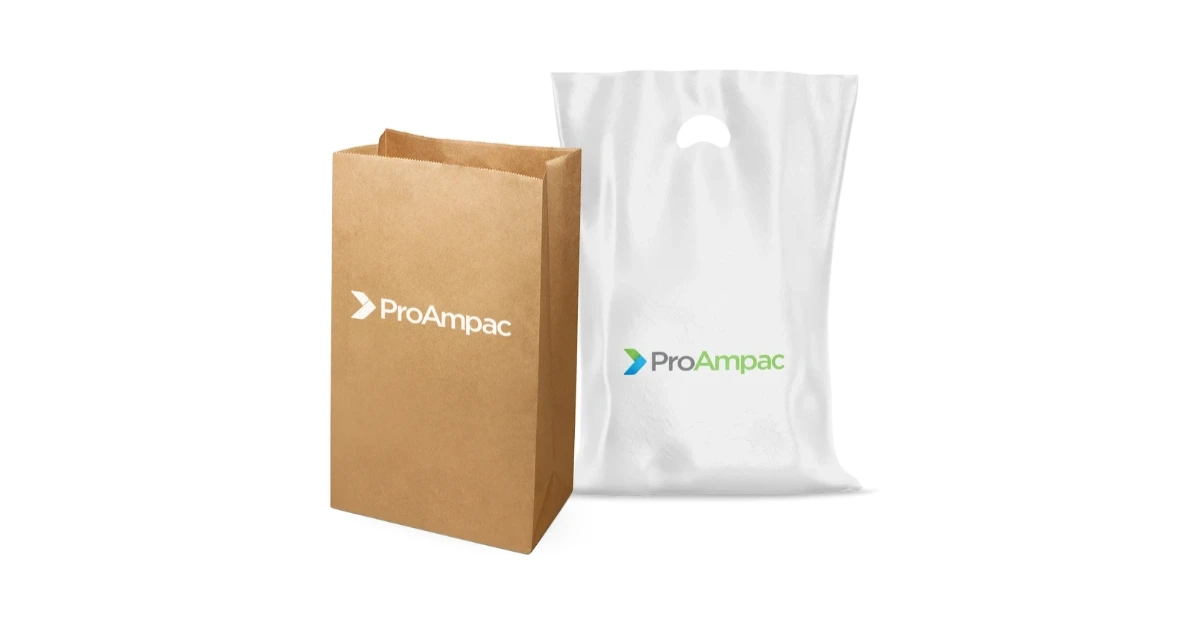
    ProAmpac, a global leader in flexible packaging and material science, has acquired the bag converting operations of International Paper , a global leader in sustainable packaging.

    The acquisition expands ProAmpac’s converting capabilities, further advancing the company’s Fiberization of Packaging strategy and enhancing its ability to deliver customized bag solutions for the grocery, convenience store, and quick-service restaurant markets.

    “Global demand for reliable, recyclable paper packaging continues to grow rapidly amid evolving consumer expectations and market trends redefining recyclability,” stated Greg Tucker, ProAmpac founder, vice chairman, and chief executive officer. “ProAmpac’s acquisition of IP’s bag operation supports our Fiberization of Packaging initiatives, helping us better serve customers by extending our expertise in material science to the US west coast with additional capabilities and redundancies,” continued Tucker.

    “IP’s bag business is strong, being built on sustainability and reliability, with a winning team. It’s well-positioned for future growth and innovation in the kraft paper bag market,” said Allison Magness, IP’s group vice president, specialty business. “Under ProAmpac’s leadership, I am confident the business is set up for long-term success.”

    Located in California, Oregon, and Texas, IP’s bag operations are recognized for innovation in kraft paper bag manufacturing. Specializing in customizable and premium kraft bags for grocery, convenience store, and quick-service restaurant markets, the operations produce a range of products, including handled shopping bags, self-opening sacks, and smaller format options. With multiple U.S. manufacturing sites, this acquisition expands ProAmpac’s production capacity and redundancy, strengthening its ability to support both new and existing customers.

  • VISHWAKSEN ENGINEERING AGENCY

    VISHWAKSEN ENGINEERING AGENCY

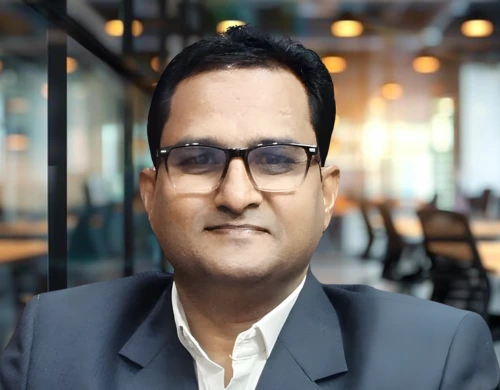
    Interview with Mr. Phani V Kumar, Proprietor, Vishwaksen Engineering Agency
    Since 2020, Vishwaksen Engineering Agency delivers safe, sustainable sealing solutions built on reliability and efficiency.

    Paper Desk : Can you share the founding story of Vishwaksen Engineering Agency and what inspired you to enter the engineering consumables and thermal insulation sector?

    Phani V Kumar : Absolutely, I’d be glad to share the story behind Vishwaksen Engineering Agency and my journey into the engineering consumables and thermal insulation sector, Vishwaksen Engineering Agency was founded in 2020 with a clear mission to provide high-quality sealing solutions. The idea for Vishwaksen Engineering Agency emerged from a gap I identified in the market during my previous role as a senior manager in a manufacturing firm. I noticed that many companies were still heavily reliant on asbestos-based materials, despite the growing awareness of their health risks. This realization sparked my passion to create safer and more efficient alternatives. We wanted to build a brand that stands for reliability, safety, sustainability, and efficiency. My goal was to establish a company that not only provided highquality sealing solutions but also prioritized environmental sustainability and worker safety. I wanted to develop a range of nonasbestos products that could meet the rigorous demands of various industries, including pulp and paper , Steel and power generation, and chemical processing.

    PD : What core values have guided VEA since its inception in 2020?

    PVK : Our core values are quality, integrity, innovation, and customercentricity . We strongly believe in delivering safe, sustainable, and effective solutions that create longterm trust. These principles guide our decision-making and keep us focused on consistent excellence. Recognizing the potential impact of effective fluid sealing management, Proper fluid sealing techniques are essential for preventing leaks, contamination and other unwanted outcomes. I set out to establish a company that could provide innovative and reliable engineering solutions . My goal was to not only fill this gap in the market but also to reduce the seal water consumption and energy usage while providing reliable sealing of pulp and paper equipment.

    PD : Was there a breakthrough moment or milestone in your early journey that significantly shaped your growth?

    PVK : Yes, one of our early breakthroughs was launching the MRO-MASTER® brand, which quickly gained recognition for reliability. Securing key clients across multiple industries established our credibility. This milestone gave us the confidence to scale operations and invest further in R&D. Within a few years, Vishwaksen Engineering Agency became a recognized name in the industry, known for its commitment to quality and innovation. We successfully helped several industrial clients reduce their energy costs significantly through our innovative solutions. This not only solidified our market position but also fueled my passion for driving sustainability in engineering practices. 

    I’m incredibly proud of what we’ve achieved and am excited about the future of the engineering consumables sector. I believe my experience aligns well with the role I’m applying for, and I look forward to bringing my expertise and enthusiasm to new challenges.

    PD : Could you describe your flagship products—such as non asbestos gland packings, spiral wound gaskets, and thermal insulation materials—and what sets them apart in the market?

    PVK : Certainly! In my role as Proprietor, I’ve had the opportunity to develop and oversee a range of flagship products, including nonasbestos gland packings and gaskets, antimony carbon seals, and advanced thermal insulation materials.

    In my previous position, we faced increased market demand for safer and more efficient sealing solutions, particularly in industries like energy and manufacturing, where traditional asbestos materials were being phased out.

    Our goal was to innovate and introduce a line of non-asbestos gland packings and gaskets that not only met regulatory standards but also exceeded customer expectations in performance and durability. I led a cross-functional team to research and source high-quality composite materials that would provide superior resistance to heat and chemical exposure. We conducted extensive testing to ensure our products maintained integrity under varying operating conditions. Additionally, I spearheaded a marketing campaign that highlighted these products’ safety and efficiency, targeting key sectors such as Pulp & Paper, Steel and power, Chemical and Fertilizers etc.

    As a result, our non-asbestos gland packings and gaskets gained significant market traction, ultimately increasing sales by 35% over two years. Similarly, our antimony carbon seals were developed to withstand extreme pressures and temperatures, which positioned us as leaders in that niche. Our thermal insulation materials have also been recognized for their lightweight properties and superior thermal efficiency, setting us apart from competitors.

    What sets our products apart is not just their compliance with safety standards but also their reliability and performance in demanding environments. This commitment to innovation and quality has earned us long-term partnerships with several flag ship companies, and I’m excited about the potential to further expand our product offerings in the future.

    PD : How do you approach R&D when developing new sealing solutions under your MRO-MASTER® brand?

    PVK : In my role as Proprietor at MRO-MASTER®, I prioritize a systematic approach to R&D that emphasizes both innovation and practical application. One recent situation that illustrates this involved the development of a new hightemperature sealing solution for industrial applications.

    We recognized a gap in the market for sealing solutions that could withstand extreme temperatures while maintaining integrity under pressure.

    My task was to lead the R&D team in creating a product that not only met these technical specifications but also aligned with our brand’s commitment to reliability and performance.

    I initiated a multi-phase research process, starting with a comprehensive analysis of existing materials and technology. We collaborated with material scientists to explore advanced polymers and composites. Additionally, I established partnerships with key clients to understand their pain points and gathered feedback on prototypes through iterative testing.

    As a result, we successfully launched the MRO-MASTER®XLR ,CG-2CS, 555,PG2-N5Z variants ,they exceeded our initial performance criteria. They gained significant traction in the industry, leading to a 30% increase in sales within the first year and positive testimonials from major clients. This success not only reinforced our brand’s reputation for innovation but also demonstrated our commitment to addressing realworld challenges in mechanical Fluid sealing. This experience reflects my approach—leveraging cross-functional collaboration, client insights, and rigorous testing to drive R&D that results in market-leading solutions.

    PD : How do you drive product innovation to meet evolving demands across MRO, thermal insulation, and industrial spares sectors?

    PVK : We stay closely connected with customers, understanding their operational challenges in real time. Our innovation strategy focuses on designing materials that improve safety, efficiency, and lifecycle performance. Regular feedback loops and industry research fuel our product upgrades.

    PD : Which customer segments or industries have shown the strongest demand for your offerings?

    PVK : We see the strongest demand from integrated pulp and paper ,Kraft paper, power plants, cement industries, steel manufacturers, and chemc. These sectors require reliable sealing and insulation products to maintain continuous operations. Our solutions help them achieve cost savings and regulatory compliance.

    PD : Have you established any strategic partnerships or technical collaborations to enhance innovation?

    PVK : Yes, we collaborate with material suppliers and technical consultants to continuously refine our products. These partnerships allow us to integrate advanced technologies quickly and deliver customized solutions. It’s a key driver of our innovation pipeline.

    PD : What is VEA’s current business strategy to strengthen its presence in India’s engineering and maintenance sectors?

    PVK : To strengthen VEA’s presence in India’s engineering and maintenance sectors, I believe the current business strategy focuses on three key pillars: localization, strategic partnerships, and technological innovation. My task was to develop a comprehensive approach to penetrate new markets while ensuring our offerings met local needs and standards. As a result of these efforts, we experienced a 40% increase in our client base within two years and significantly improved our brand recognition in the region. I believe that by focusing on these areas, VEA can effectively strengthen its foothold in India’s engineering and maintenance sectors, driving both growth and innovation.

    PD : What operational challenges have you faced in scaling production, and how are you addressing them?

    PVK : Initially, scaling production while maintaining quality was challenging. We addressed this by investing in advanced machinery, skilled manpower, and robust quality systems. Today, efficiency and consistency are our strongest assets.

    PD : Can you share a key success story where a strategic decision led to exponential growth or customer value?

    PVK : Certainly! One of my key success stories in the fluid sealing market occurred during a period of significant market disruption. As the proprietor of my company, we faced fierce competition, particularly from low-cost manufacturers. This situation threatened our market share and customer loyalty, as many of our clients were drawn to cheaper alternatives. My goal was to differentiate our offerings and enhance customer value while ensuring sustainable growth. I recognized that we needed to pivot our strategy from just selling products to providing comprehensive sealing solutions tailored to our clients’ specific needs. I initiated a strategic decision to invest in advanced materials research and development. This involved collaborating with engineering teams to innovate sealing solutions that catered to emerging industry demands, such as enhanced durability and chemical resistance. Additionally, I led the launch of a consultative sales approach that emphasized understanding customer applications, allowing us to position ourselves as trusted advisors rather than just suppliers.

    The outcome was remarkable. Within 18 months, our sales grew by over 40%, and we significantly increased our market share. Moreover, customer satisfaction scores improved dramatically, leading to long-term contracts with several key clients who recognized the value we brought beyond just product offerings. This experience not only reinforced my belief in the importance of strategic innovation but also highlighted how a customercentric approach can drive exponential growth in a competitive landscape.

    PD : How do you see technological trends—such as advanced materials or enhanced thermal efficiency— shaping India’s insulation and sealing industry?

    PVK : My goal was to explore innovative materials that could improve our sealing products while maintaining cost-effectiveness. This experience taught me the critical importance of staying ahead of technological trends. We believe this will redefine industry standards in India and create opportunities for innovative players like us. Looking ahead, I believe that as more companies adopt advanced materials and smart technologies, we’ll see a shift towards more sustainable practices and enhanced efficiency in sealing applications. My commitment is to lead our company in embracing these innovations, ensuring we not only meet market demands but also set new standards in quality and performance.

    PD : What are your growth projections for VEA over the next 5– 10 years?

    PVK : We are targeting double-digit www.paperdesk.in Interview 53 I PAPER DESK I Aug-Sep ‘2025 growth annually, with a vision to become a market leader in sealing and insulation solutions. Over the next decade, we plan to expand across India and strengthen our international footprint.

    PD : Are you planning to expand into new product areas or enter international markets in the near future?

    PVK : Yes, we are actively exploring new product lines in fluid sealing products and eco-friendly industrial consumables. At the same time, we are preparing to enter select international markets where demand for sustainable solutions is growing

    PD : How does VEA integrate environmental and safety considerations into its manufacturing processes, especially considering the use of non-asbestos materials?

    PVK : We made a conscious decision to completely eliminate asbestos from our products. Our processes are designed with strict environmental standards, ensuring worker safety and eco-friendliness. Sustainability is embedded in every step of our production

    PD : Do you have community engagement or social initiatives—such as training, local employment, or sustainability programs—in the Guntur region?

    PVK : Yes, we are committed to creating local employment opportunities and upskilling the workforce. We also run training programs to educate industries about sustainable sealing solutions. Giving back to the community is part of our ethos.

    PD : Has VEA received any recent certifications, awards, or recognitions —like ISO 9001:2015—that you’d like to highlight?

    PVK : We are proud to be ISO 9001:2015 certified, which validates our strong quality systems. This recognition reassures customers about our commitment to excellence. It has been a key milestone in strengthening our brand reputation.

    PD : Are you participating in upcoming industry events or exhibitions to showcase your products and innovations?

    PVK : Yes, we regularly participate in various trade shows and industry exhibitions to showcase our MROMASTER® brand innovations. These platforms allow us to connect with customers, demonstrate innovations, and build new partnerships.

  • UPM Adhesive Materials Expands in Southeast Asia with Vietnam Terminal

    UPM Adhesive Materials Expands in Southeast Asia with Vietnam Terminal

    UPM Adhesive Materials, formerly known as UPM Raflatac, plans to open a new slitting and distribution terminal near Hanoi, Northern Vietnam, to support its growth in Southeast Asia. The new facility will ensure agile service for customers in the Northern Vietnam area.

    Vietnam is one of the fastest growing markets in Southeast Asia and the whole Asia-Pacific. Northern Vietnam has a high concentration of businesses in the durables and electronics end-uses, which creates a significant demand for high-quality label materials. The new terminal will be equipped with state-of-the-art slitting capabilities. It will offer a targeted portfolio of label material inventory based on the needs of the local customers to ensure greater efficiency and flexibility in deliveries.

    “We are excited to strengthen our presence in the fast-growing area of Northern Vietnam with our new terminal. This investment will enable us to serve our customers in the region with greater agility and efficiency as well as capture business opportunities in the higher-value durables and electronics segments,” says Henning Krebs, Vice President, APAC, UPM Adhesive Materials.

    The investment project has been kicked off, and the terminal is expected to be in operation around mid-2026. UPM Adhesive Materials has also announced an investment in a brand-new coating line and other facility and material handling upgrades in its label material factory in Johor Bahru, Malaysia. Both investments enable UPM Adhesive Materials to better serve its customers and accelerate growth in Southeast Asia, where it holds a leading market position in label materials.

    UPM Adhesive Materials operates two factories in the Asia-Pacific, one in China and one in Malaysia. It offers reliable services close to customers through eleven terminals and warehouses across Southeast Asia, North Asia and Oceania.