Tag: eco-friendly packaging

  • Wet strength paper demand rises with shift to sustainable packaging

    Wet strength paper demand rises with shift to sustainable packaging

    The rise in the use of wet strength paper in food packaging and consumer goods packaging is further fueling industry expansion.

    As environmental concerns around single-use plastics increase, the demand for eco-friendly alternatives like wet strength paper is also on the rise. The development of sustainable wet strength agents, which offer improved biodegradability and environmental performance, is helping meet the rising consumer demand for eco-friendly packaging solutions.

    These innovations are expected to accelerate the adoption of wet strength paper across industries. Key players such as Mondi Group, WestRock, Stora Enso, Canadian Kraft Paper (CKP), and Evergreen Packaging are investing in research and development to improve the performance, sustainability, and cost-effectiveness of wet strength paper.

    The growing focus on sustainable packaging solutions and the increasing shift toward paper-based packaging for food and beverage products are expected to further contribute to industry growth. As regulatory pressures around packaging materials tighten globally, the wet strength paper Market is expected to witness consistent growth through 2035.

  • Hinojosa launches Carbon Footprint Calculator for clients

    Hinojosa launches Carbon Footprint Calculator for clients

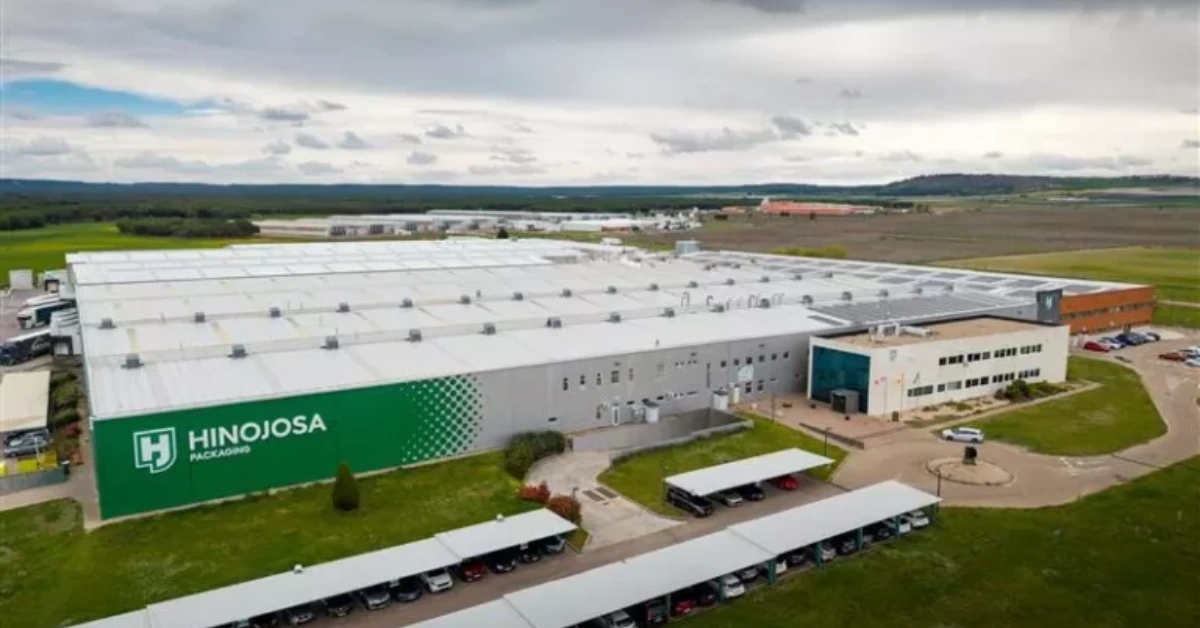
    Hinojosa Packaging Group introduces its own Product Carbon Footprint Calculator. The launch of this tool answers to the customers’ needs of improving their emissions measurement. 

    The new calculator makes it possible to quantify, compare, and communicate the carbon footprint of Hinojosa’s packaging solutions for all customers, providing companies with key information to make decisions and anticipate regulatory and market requirements regarding the environmental impact of their products. 

    Based on the GHG Protocol’s reference methodology, Hinojosa’s Carbon Footprint Calculator measures greenhouse gas emissions from the origin of raw materials to the product’s departure from the factory. This calculation includes the extraction and production of raw materials such as paper and their transport to the factory, as well as energy consumption in the manufacturing processes and waste generation during production.  

    The new carbon footprint calculator has become a strategic tool for Hinojosa, as it enables the company to support customers in the common goal of reducing greenhouse gas emissions. Recent regulatory developments in environmental matters introduced new challenges for companies in measuring and communicating their climate performance, as well as in being transparent with their stakeholders. In this context, this tool reinforces Hinojosa’s commitment to sustainability, transparency, and answers to customers’ needs. 

  • Mondi at HOST Milano 2025: Sustainable packaging for coffee industry

    Mondi at HOST Milano 2025: Sustainable packaging for coffee industry

    Mondi, a global leader in sustainable packaging and paper, will be presenting its broad portfolio of packaging solutions for the coffee industry at HOST Milano from 17 to 21 October 2025 in Pavilion 18, Stand K59.

    Visitors will learn how Mondi meets the requirements of modern roasters in line with PPWR regulations through innovative packaging materials with a high barrier and excellent machine runnability. Mondi’s diverse portfolio includes sustainable primary and secondary packaging made from paper, plastic and hybrid materials that are designed for recycling.

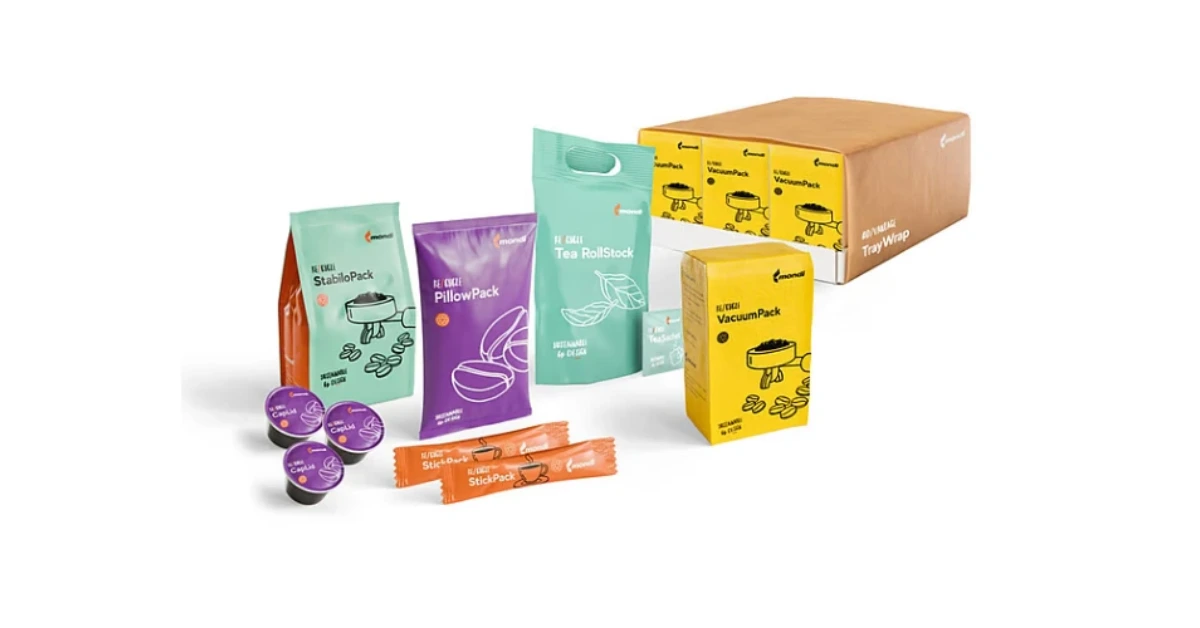
    The range extends from innovative mono-material SoftPack or VacuumPack formats in polypropylen (PP) or polyethylen (PE) to paper-based StickPacks and PodSachets, offering tailored solutions for all applications from ground coffee, whole beans to coffee pods and capsules. With Ad/Vantage TrayWrap, Mondi offers a paper alternative for plastic in secondary packaging which can save over 75% CO2 and optimises customers packing process by eliminating the shrink oven.

    The solution is crafted from 100% kraft paper and has a unique combination of mechanical properties with very good stretchability. Ad/Vantage TrayWrap is designed for recycling, making this solution also suitable for grouped packaging applications, in line with future regulatory requirements in Europe.

    As a highlight, Mondi is presenting re/cycle VentPack, a next generation degassing concept for coffee packaging. The innovative valve, which is pre-applied to the film, aims to simplify the packaging process for customers. Thanks to its extremely thin, PP-based construction, VentPack can save up to 96 per cent in plastic weight compared to conventional button valves and is designed for recycling as a mono-PP packaging.

    Mondi’s solutions offer numerous advantages for the coffee industry: high-quality barrier properties protect the coffee from exposure to oxygen and moisture for up to 12 months. Flexible printing options, such as creative flexographic and rotogravure printing processes with matt and anti-seal coatings, ensure attractive product presentation and strong shelf impact. The solutions are sustainable by design and help customers comply with EU regulation. In addition, they can be efficiently processed on existing filling lines and are supported by a Europe-wide production network that ensures security of supply.

    With FlexStudios Mondi further offers customers an innovation hub in which they can actively participate in the development process, benefitting first-hand from the company’s extensive expertise and material-neutral approach, state-of-the-art technology, and customer-centric approach. By bringing pilot lines, testing capabilities and co-creation space together under one roof, Mondi can reduce time-to-market innovations, ensure compliance, and drive sustainable change in the flexible packaging industry.

  • Paper’s place in the pantheon of packaging

    Paper’s place in the pantheon of packaging

    Paper’s roots can be traced back to Ancient Egypt and the use of papyrus as a paper-like plant-based writing sheet. The first true papermaking process was documented in China during the Eastern Han period (25–220 AD), but it wasn’t until the 11th Century that papermaking was brought to Europe.

    Since then, changes in the raw materials, manufacturing, and its structure and strength bring us to today, where paper is a wholly fibre-based product that can be used for many different purposes. Luckily, you don’t have to travel as far or wait so long to see the latest innovations in paper. Paper is an important part of the London Packaging Week 2025 experience, where there’s plenty to see and touch and be inspired to put paper at the heart of your next packaging project.

    A chief architect in the way paper is viewed and used by the packaging industry today is James Cropper (H56). With a history dating back to the mid-19th Century, the company has positioned itself at the heart of today’s papermaking industry in the UK and internationally.

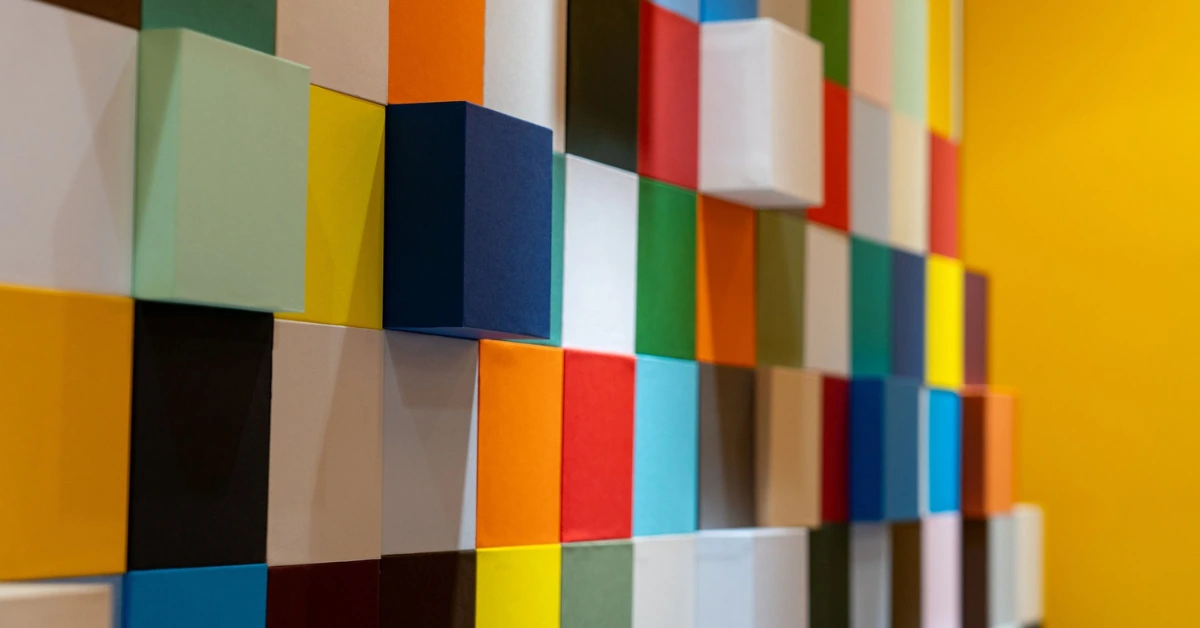
    This includes being the first company to develop coloured paper almost 170years ago. This heritage has been reinforced by Coloursource, a portfolio of 50 vibrant coloured colours. As Coloursource papers are available in nine weights and 36 embossings, the portfolio is suited for diverse applications, ranging from stationery to retail bags and packaging to archival materials. For projects that demand bespoke colours, James Cropper’s colour lab also offers a market-leading colour matching service that can develop custom shades.

    As well as celebrating colour, James Cropper has a long-standing passion for developing and producing the finest natural and renewable materials. With a strategic goal focused on sustainable growth, lightweighting, decarbonisation, upcycling, and recycling are all important elements in the work to make paper the most creative and circular packaging material. Take its CupCycling®  initiative for example, whereby coffee outlets, cafés, retailers, and other businesses can send used paper cups to be recovered and repurposed as bespoke luxury packaging papers and moulded fibre products.

    Also dating back to the 1800s and with deep knowledge and vast experience of papermaking is Gmund Paper (H42). The company’s papers are manufactured at a dedicated production site in Gmund at Lake Tegernsee in the Bavarian region of Germany, with over 100,000 different types of paper available. They are supplied in a variety of textures, colours and materials, such as hemp, cotton and other fast-growing fibres. 100% recycled papers, under the Gmund Used collection, and the Cradle to Cradle® (C2C) Silver certified Gmund Colors collection, exemplify the company’s commitment to sustainability.

    Favini (H40) has been producing paper from the province of Vicenza in Italy since 1736, with a particular focus since the 1990s on creating products that are in harmony with nature, using more sustainable, high-quality, and sustainable processes and raw materials.

    Remake, for example, is FSC certified, recyclable and biodegradable. This paper includes by-products from the leather-making process that replace up to 25% of the tree cellulose required. A further 40% of the raw material used comes from post-consumer recycled (PCR) fibre and cellulose from managed forests. The paper has a soft and velvety tactile feel that makes it perfect for luxury packaging for high-end brands such as Louis Vuitton, Benetton, and Vivienne Westwood.

    Refit is made using waste from wool and cotton textile manufacturing processes, as well material from worn out jeans in the case of Refit Denim, which has a stonewashed colour and texture that replicates the look and feel of your favourite old pair of jeans. All Refit papers include over 50% pre- and post-consumer recycled waste, of which 25% is derived from wool, cotton or denim fibres.

    Manifattura del Seveso (J44) is a fellow Italian company that specialises in the production of covering materials for fine publishing and luxury packaging. Italux is a 100% cotton coated cloth product without back paper. It is coated with an acrylic resin, which makes it suited for large-sized heavy books and packaging, where offset printing, hot foil blocking, blind blocking, die-cutting, creasing, and screen printing can be used to augment the material with a luxury appearance.

    Continuing the innovation coming out of Italy is Fedrigoni (G90) – a global leader in the production of pressure-sensitive materials for labels for wine and the European leader in the production and sale of special papers for graphic design.

    Continuous investments in R&D and a relentless drive towards innovation has resulted in Fedrigoni’s products being completely recyclable. The company exclusively uses pulp from forests managed in accordance with internationally-recognised sustainable forestry schemes. The recent acquisition of Papkot has doubled down on this commitment and accelerated Ferigoni’s role in the transition to plastic-free packaging.

    Papkot has pioneered a proprietary coating platform offering an alternative to traditional plastic coatings and biopolymer barriers. The new coating gives packaging high protective properties, such as resistance to water, grease and oils or even glycerol, while being fully recyclable and biodegradable at an industrial scale.

    The technology developed by Papkot is based on a nanostructured and fully recyclable material, which is also free from harmful substances like PFAS. Papkot coatings have been extensively validated across a wide range of paper substrates, including virgin and recycled fibres. Ongoing industrial trials are further expanding compatibility to meet the diverse needs of converters and brand owners. The goal with this technology is to meet growing demand from major food and consumer goods brands for monomaterial flexible packaging, as well as to extend its application into new areas.

    Following a similar trend, Sampling Innovations Europe (E70) is addressing the global movement towards sustainable products. It offers a range of sustainable packaging and sampling solutions to the perfume, cosmetic and personal care sectors. This includes mono-material sachets, recyclable spouted and refill pouches, and ampoules featuring PCR content. It has also developed the first scent labels made entirely of paper. These mono-material labels are fully recyclable and claimed to decompose in just 154 days.

    Invercote from Holmen (D66) has been a stalwart of sustainable packaging for a number of years. This paperboard is manufactured in Iggesund, Sweden from fresh wood fibres of known and traceable origin from sustainably managed forests. The Holmen mill in Iggesund holds chain-of-custody certification and has an extremely low climate impact due to its energy self-sufficiency.

    Invercote is a strong, multi-layered solid bleached board (SBB) that is ideal for a range of end-use applications, including the packaging of premium cosmetics, perfumes, chocolate, pharmaceuticals, and electronics. Invercote is designed to meet the highest demands of image reproduction and is receptive to various surface treatment methods, such as foil and film applications.

    Complementing the inherent capabilities of the paperboard, Invercote Touch is an uncoated version that enables brands to create premium packaging products that have a natural look and feel. With the same technical characteristics as other products in the Invercote family, Invercote Touch delivers a tactile experience without compromising on performance. With this amount of innovation going into paper, it is no surprise that the material is in such high demand from all brands, from high-end haute couture names to high street retailers.

    News Courtesy: Spnew
  • Seaman paper launches heat-sealable recyclable packaging

    Seaman paper launches heat-sealable recyclable packaging

    SeamanPaper, a global leader in sustainable paper-based packaging, today announced the launch of its new line of heat-sealable, curbside recyclable paper packaging solutions.

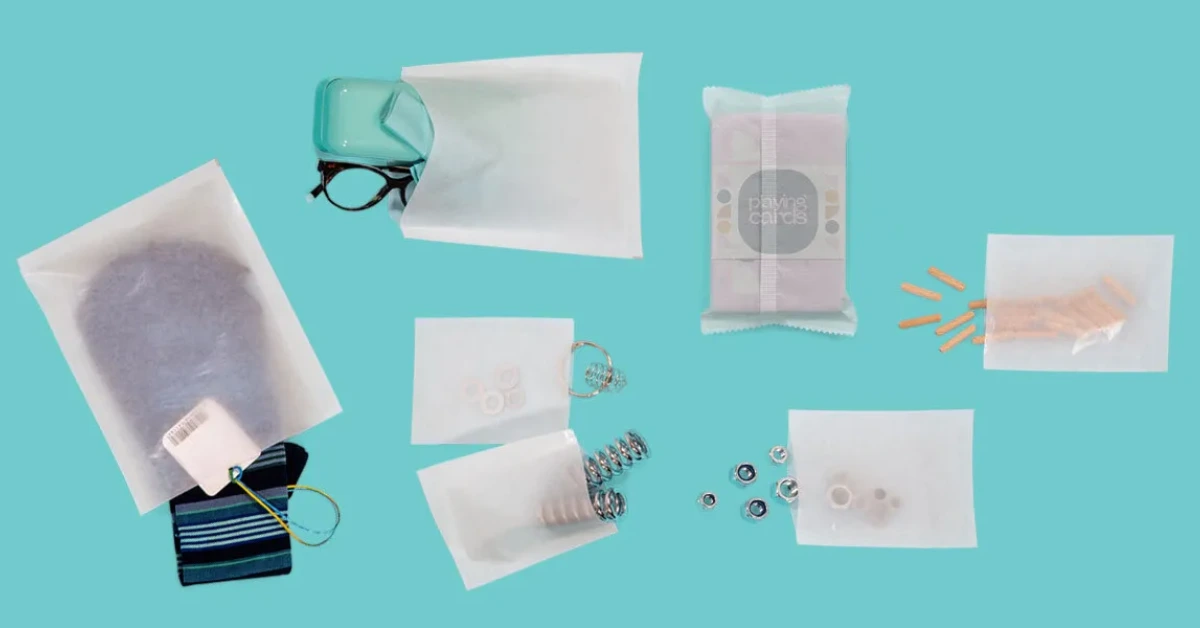
    Designed to directly replace single-use plastic bags, these FSC™-certified (FSC™ C102652) alternatives combine sustainability, durability, and efficiency – without requiring brands to overhaul existing equipment. “Our customers are under increasing pressure to eliminate plastics while maintaining operational & functional performance,” said Dave Deger, Chief Strategy & Commercial Officer at Seaman Paper.

    “With our heat-sealable line, we’re delivering a recyclable packaging solution that integrates seamlessly with existing equipment – helping businesses and brands achieve their sustainability goals without compromise.”

    Seaman Paper’s heat-sealable solutions are available in a variety of substrates, weights, and formats designed to accommodate a wide range of applications and converting equipment. Fully compatible with most OEM form-fill-seal (FFS) and horizontal flow-wrapper equipment, the offering includes translucent, kraft, and opaque constructions, and is available in both flat sheet and heat sealable tube formats.

  • Testing strategies for PFAS-free and sustainable packaging

    Testing strategies for PFAS-free and sustainable packaging

    Chemical safety and sustainability requirements for packaging are becoming increasingly stringent in Europe with the new Packaging and Packaging Waste Regulation (PPWR), which bans PFAS in food contact materials and sets mandatory targets for recycled content in plastic packaging.

    Since recycled streams are more susceptible to contamination, the PPWR will make PFAS monitoring crucial for manufacturers developing circular packaging solutions. Demonstrating that a material is truly PFAS-free typically requires at least two complementary laboratory analyses and specialist expertise, making an experienced testing partner essential.

    Multi-method approach to capture the full extent of PFAS presence A significant practical challenge in PFAS analysis is the fact that the term covers thousands of substances that cannot all be measured individually. The PPWR addresses this by setting limits for both individual compounds and total fluorine as an indicator for total PFAS.

    News Courtesy: Spnews

  • Amcor launches recycle-ready AmFiber™ paper refill pack for instant coffee and dry beverages

    Amcor launches recycle-ready AmFiber™ paper refill pack for instant coffee and dry beverages

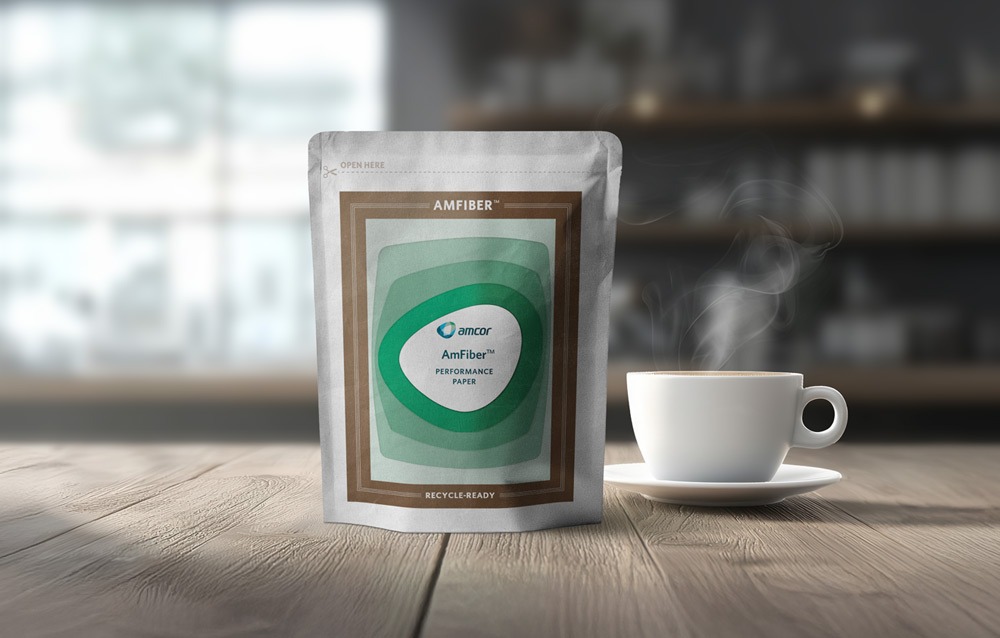
    Amcor a global leader in developing and producing responsible packaging solutions, has announced the launch of its new AmFiber™ Performance Paper stand-up pouch, a paper-based refill pack for instant coffee and dry beverage products.

    This innovation – launching first across the Europe, Middle East and Africa region – is part of Amcor’s AmFiber™ Performance Paper portfolio, and delivers recycle-ready paper packaging that has been designed specifically for dry beverages.

    Preserving the aroma and taste of coffee products requires strong product protection. Amcor’s new AmFiber™ Performance Paper stand-up pouch provides excellent seal integrity and barrier that makes it an ideal solution for soluble coffee products. The new refill pack offers curb-side recyclability in several European countries, thanks to its 85% fiber content, and is certified for recyclability by CEPI and Aticelca.

    For all-round sustainability benefits, the AmFiber™ refill pouch enables brands to reduce the carbon footprint of their dry beverage packaging by up to 73%, including reductions to non-renewable energy use (71%) and water consumption (41%) (1). These enhancements allow brands to bolster their sustainability efforts and align with the preference among consumers for attractive, paper-based packaging.

    The recycle-ready structure of Amcor’s AmFiber™ stand-up pouch enables brands to cut down on EPR fees, with potential savings of up to 70-90% compared to non-recycle-ready solutions (depending on the country) (2) . This expansion of the AmFiber™ Performance Paper range aligns with growing consumer demand for more sustainable refill packaging.

    Research reveals that 89% of shoppers see the recyclability of refill packs as either ‘quite important’ or ‘very important’ (3) . The new AmFiber™ Performance Paper stand-up pouch has been designed to be recyclable in most European countries.

    Designed as the ultimate retail solution with strong consumer appeal, the AmFiber™ Performance Paper stand-up pouch features a robust bottom gusset for optimum presentation and functionality. It runs effectively on coffee brands’ packing machinery and is efficient in distribution due to its compact and lightweight design.

    Giorgio Dini, Marketing Manager for Coffee at Amcor says: “This newest addition to the AmFiber™ family offers coffee and dry beverage brands a more attractive packaging solution that has a natural, paper-based appeal and is recycle-ready. Helping to advance more circular refill packaging, we are proud to announce the AmFiber™ Performance Paper stand-up pouch, as we continue to innovate in paper-based solutions.”