Category: Tech-Tour

  • From Dusty Handhelds to Digital DriveThroughs — The Future of Moisture Control Has Arrived

    From Dusty Handhelds to Digital DriveThroughs — The Future of Moisture Control Has Arrived

    What once required hours of manual sampling, dirty probes, and subjective readings can now be done in less than two minutes—without anyone even leaving the cab of the truck.

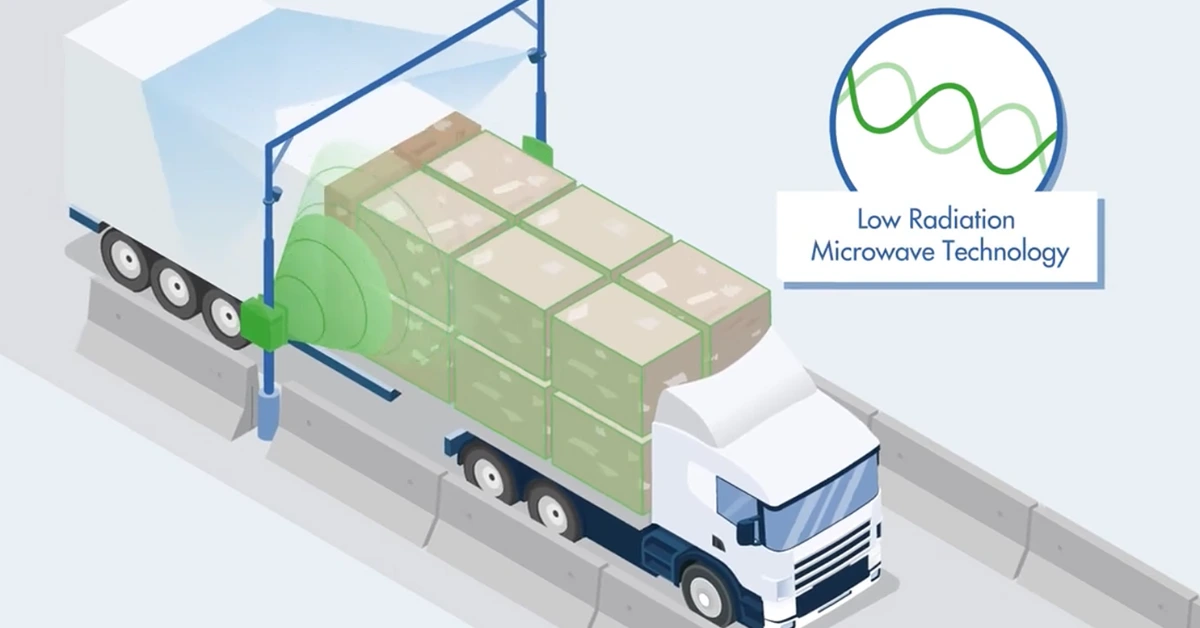
    At the gate of a modern mill, trucks no longer line up for manual inspection. Instead, each vehicle slowly drives beneath a sleek Industrial Moisture Gate (IMG) frame. As it passes, microwave sensors beam lowenergy waves through the entire load— waste paper bales, wood logs or straw bales—penetrating deep inside the material where handheld probes could never reach. At the same time, LIDAR scanners capture the exact 3D shape of the cargo to determine its volume and ensure every reading is spatially trusted.

    Within two minutes, the system has completed millions of microreadings across the load. The results appear instantly in the mill’s ERP or SAP system—clean, digital, traceable, and archived automatically. No samples, no waiting, no debate.

    Contrast this with the traditional process:

    operators climbing on dusty trucks, plunging metal probes into random bales, writing down inconsistent results, or tearing bales apart for lab tests that take hours. Those manual readings only touch the surface. IMG does that—and adds everything beneath it.

    The technology essentially combines what handheld moisture meters see on the surface plus everything that only destructive testing could reveal inside. It delivers the data you’d get if you performed hundreds of manual samples—but it does it in 2 minutes, without human error.

    For wood log measurement (IMGW), the system also provides a second crucial parameter: basic wood density, derived from volumetric and moisture data correlation. This gives mills deeper insight into material quality and yield optimization.

    In short: 

    • Fully automated drivethrough measurement. 
    • Complete volume scan via LIDAR.
    • 3D microwave penetration into cellulosebased materials.
    • Integrated data transfer to mill software.
    • Density calculation for logs.

    With over 60 IMG systems installed worldwide—from China through Europe to South Africa—Dunakontroll has proven that industrial moisture control can be both elegant and exact. This is measurement engineered for 2025 realities, not 1985 routines.

    The Industrial Moisture Gate turns a messy, manual task into a precise, digitalized operation. Step into the future; let the data flow while the truck keeps rolling.

  • JMC Paper Tech Pvt Ltd Enters Technical Alliance with Kawanoe Zoki to Advance Tissue Making in India

    JMC Paper Tech Pvt Ltd Enters Technical Alliance with Kawanoe Zoki to Advance Tissue Making in India

    JMC Paper Tech Pvt Ltd a leading name in paper machinery and technology is delighted to announce a new technical tie-up with Kawanoe Zoki Co., Ltd. of Japan to collaborate on the design, manufacture, and supply of advanced tissue machines employing suction former technology for the Indian tissue and paper industry.

    About the Partnership : Under this strategic alliance, JMC Paper Tech and Kawanoe Zoki will jointly develop machinery solutions that integrate Kawanoe’s advanced suction former technology with JMC’s local engineering, project management, and after-sales capabilities. The alliance aims to bring global standards of quality, efficiency, and reliability to tissue makers in India by localizing the supply chain, reducing cost, and shortening delivery lead times.

    Why India & Why Now? India’s tissue and paper sector is undergoing rapid growth, driven by rising hygiene awareness, increasing per capita consumption, and expansion of organized retail.

    Local machine supply and technology development are key to lowering costs and ensuring competitive capability. With JMC’s on-ground presence in India, combined with Kawanoe’s technical prowess, this tie-up is well-positioned to cater to both greenfield projects and modernization upgrades across India.

    The partnership will cover:

    • Design & Engineering-joint development of machine layouts, forming sections, dry sections, control systems, and energy optimization
    • Manufacturing & Fabrication key components produced either in Kawanoe’s Japanese facilities or via designated JMC manufacturing units under license
    • Installation & Commissioning – on-site setup support, performance tuning, and technical training
    • After-sales Service & Spare Parts – a shared framework for parts supply and field service across Indian installations.

    Why Suction Former Technology? Suction former (or suction forming) is a forming technique in tissue machine design that enhances sheet dewatering efficiency. improves sheet uniformity, and enables higher operational speeds with reduced energy consumption. Especially KAWANOE’s suction former, the Best Former, offers:

    • Improved moisture profile management
    • Better web stability
    • Reduced sheet breaks and defects
    • Lower energy usage per ton
    • Uniform basis weight and formation
    • High retention rate
    • Wide adaptability to various basis weights
    • Longer lifetime of paper machine clothing

    Kawanoe Zoki has long been a recognized leader in specialty paper machinery, including advanced tissue machine lines such as the Best Former Yankee series and machines incorporating suction/dewatering principles. Kawanoe’s products are high-quality, made in Japan, and they have a track record of over 240 machines installed among many different countries.

    Expected Benefits & Deliverables :

    • Faster lead times for machine deliveries and commissioning
    • Reduced capital cost by leveraging local content and sourcing
    • Technology transfer and skill development for Indian engineers and operators
    • Reliable access to spare parts and service support
    • Enhanced machine performance, productivity, and energy efficiency

    Message from Leadership :

    “By aligning with a world-class machinery provider like Kawanoe Zoki, JMC Paper Tech reaffirms its commitment to bringing global technology to Indian tissue manufacturers,” said [Sneh Patel, Chief Operating Officer, JMC Paper Tech].

    “This tie-up will enable our clients to access better speed, energy efficiency, and reliability while benefiting from our local support network.” [Shungo Yokouchi, Sales Executive, Kawanoe Zoki] also remarked, “We are excited to partner with JMC Paper Tech to expand our BestFormer technology into the Indian market, combining our engineering expertise with JMC’s strong local presence.”

  • Transforming Wastewater from Agro-based Paper Production into Sustainable Revenue

    Transforming Wastewater from Agro-based Paper Production into Sustainable Revenue

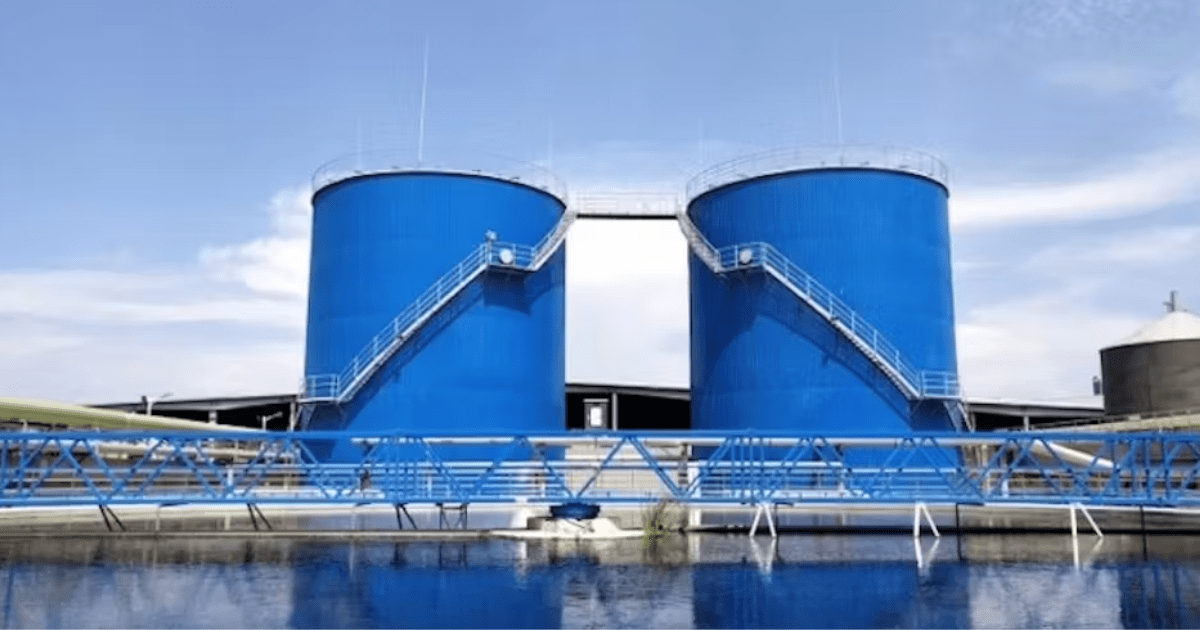
    Paques’ BIOPAQ® ICX at Sainsons Paper Industries Private Limited in Northern India ensured a sustainable and profitable wastewater treatment process.

    The biogas generated is upgraded into Compressed Biogas (CBG) and supplied to nearby fuel stations as an alternative fuel for automotive and industrial use.

    Project Highlights:

    • 70 to 75% COD removal efficiency
    • 3,000 kg/day CBG production
    • Biomass sales for extra revenue
    • 50% reduction in treatment costs per m³
    • Full regulatory compliance

    Sustainability Challenges in Kraft Paper Production

    Producing kraft paper, particularly with a focus on recycled and agro-based inputs, presents significant sustainability challenges, especially concerning water loop recycling. In water-intensive processes like papermaking, limited freshwater usage creates a semi-closed-loop system, where water is reused multiple times.

    Over time, this leads to the accumulation of organic, inorganic, and recalcitrant pollutants, which are resistant to biodegradation. These contaminants contribute to rising Total Dissolved Solids (TDS) levels, discoloration, and unpleasant odors in the water, which can pose environmental and health risks if not adequately treated.

    Additionally, insufficient wastewater treatment facilities often struggle to manage the large volumes of process water, resulting in partial discharges that may fail to meet environmental standards set by regulatory bodies like the Pollution Control Board (PCB). Odor management becomes a particularly pressing issue in such scenarios, as volatile compounds from untreated wastewater can impact nearby communities. Addressing these challenges requires innovative and efficient treatment solutions that ensure compliance

    Overcoming Pollution, Odor, and Compliance Issues in a Sustainable Way

    Sainsons Papers primarily uses recycled fibers along with wheat and rice straws as raw materials, minimizing freshwater usage in their production process. However, this limited water input led to a concentrated water loop with high levels of organic, inorganic, and recalcitrant pollutants, resulting in elevated Total Dissolved Solids (TDS) and a strong, unpleasant odor that posed health risks to surrounding areas. Compounding the challenge, the facility lacked adequate wastewater treatment capacity to process the entire volume of water generated, leading to partial discharge that failed to meet Pollution Control Board (PCB) regulations.

    To address the challenges of wastewater treatment and compliance, Sainsons Papers opted for the implementation of the BIOPAQ® ICX reactor, complemented by engineering upgrades to their existing aerobic system. The BIOPAQ® ICX is a state-of-the-art anaerobic treatment solution designed to efficiently handle high concentrations of organic pollutants, making it ideal for the complex wastewater produced in kraft paper manufacturing.

    Paques commissioned an 8.5 x 18.3-meter ICX reactor with a treatment capacity of up to 18,000 kg COD (Chemical Oxygen Demand) per day and a hydraulic capacity of 4,500 m3/day. The system not only mitigates the buildup of pollutants but also converts them into biogas, which can be utilized as a renewable energy source, effectively addressing both the environmental and operational challenges faced by the paper mill.

    The organic load to the aerobic post treatment system was reduced by a factor 3 due to implementation of the BIOPAQ® ICX reactor. This has resulted in a stable final treatment process that meets the discharge standards. On top of this, the treatment costs per cubic meter water treated have nearly halved due to the reduced energy consumption of the aerobic plant. As such, implementing the BIOPAQ®ICX reactor creates a profitable business case in itself.

    Transforming Wastewater into Sustainable Energy and Revenue Streams with BIOPAQ® ICX

    With Paques technology, Sainsons Papers achieved the production of odorfree kraft paper while transforming wastewater treatment into a sustainable and profitable process. The biogas generated through the BIOPAQ® ICX reactor is upgraded into Compressed Biogas (CBG), which is supplied to nearby fuel stations under the SATAT (Sustainable Alternative Towards Affordable Transportation) initiative.

    Additionally, the reactor produces valuable granular biomass, which the company resells as a revenue-generating resource. The biogas can also be utilized in the mill’s boiler unit, significantly reducing energy costs. By implementing this solution, Sainsons Papers not only enhanced operational efficiency but also achieved full compliance with Pollution Control Board (PCB) regulations

  • Maflex: tailored innovation for every converting line. Meeting Your Needs at Every Turn.

    Maflex: tailored innovation for every converting line. Meeting Your Needs at Every Turn.

    Maflex: tailored innovation for every converting line. Meeting Your Needs at Every Turn.
    To diversify and propose projects tailored to the converters ambitions

    “Meeting Your Needs at Every Turn represents us impeccably. Over the years there have been several occasions and as many requests that justify this statement,” explains Eng. Luca Mazzotti,  GM of Maflex. The 3Ps of Maflex are Personalization, Preparedness, and Partnership.

    “We tend to diversify and propose projects tailored to the converters ambitions, production characteristics, and the dynamics of the markets in which they operate, rather than canned packages. There are many producers with many different needs in this industry.”

    The meaning of “Meeting Your Needs at Every Turn”

    “Meeting Your Needs at Every Turn” expresses the ability to respond promptly to meet specific needs, the commitment to providing solutions that are as innovative, reliable, and diverse as the everyday needs they serve.

    Tissue converting is very fluid: worldwide, demands are affected by general trends and motivation.  This can be due to the specific territory, industry constraints, or original production needs.

    Maflex stands as a ideal partner.

    Every tissue product requires the right equipment to face the race!  The goal is to achieve concrete results in the marketplace: OEMs teaming up with converters.”

    The machinery is extremely flexible and the proposed lines are based on the modular philosophy: you can have equipment with unique features.  The Engineering Dept does not exclude the integration of customized solutions. “The required do not always demand revolutionary technologies, but they often pay off in advantages in production efficiencies.”

    Case n.1

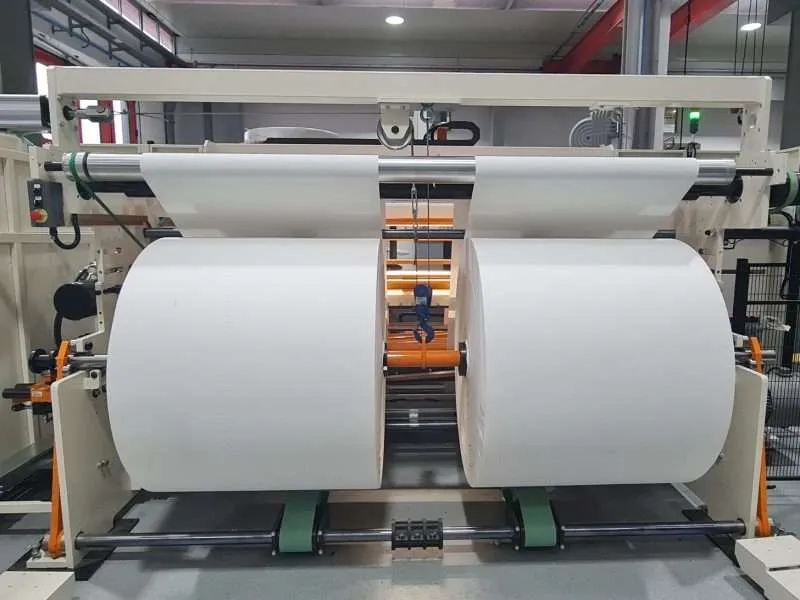
    For a high-performance continuous converting line, capable of processing large-diameter parent reels and producing a wide range of industrial rolls, a competitive layout was designed that provides maximum efficiency in terms of production flexibility and ensure fast changeovers with minimal downtime. The customer was looking for a professional product line capable of operating at a constant speed of 600 m/min and ensuring maximum performance. “Our project included top-loading unwinders model UT 250 that easily process tissue paper reels up to 2500 mm in diameter at the required speed. The low ceiling of the building for which the line was intended, however, would not have allowed proper use of the unwinder with reels larger than 2100 mm in diameter.”

    Giving up the features of the UT 250 to use only smaller reels would have meant a significant decrease in overall productivity. The project would have lost its main objective: to meet the customer’s ambition with a high-performance line.

    We came up with an ad hoc modification to facilitate the loading and unloading of the large parent reels by avoiding top loading.” The extraction of finished reels and the insertion of new ones takes place from a reduced height, in a much faster time and makes the operations related to loading the reel with the overhead crane, which are often subject to special procedures, easier, faster and safer. “This system has been proposed before, its value realized because of the solid benefits it offers.”

    The power of collaboration and listening: Let’ Talk!

    Close collaboration is the added value of the innovation journey. This provides insight into what is needed and into original production ideas for which timely and user-friendly changes are needed. Feedback is of fundamental value in continuous improvement and research and development.

    Case n.2

    “Another case came up with the need to produce on both standard paper width (reel width 2750 mm) and reduced width (reel width 900/1000 mm). This solution would have limited the production potential of the line by going against the principles of optimization and performance, so the goal was to prevent the customer from losing productivity.” 

    Being faster does not always mean being more productive as well. Working consistently allows you to produce more efficiently and with higher quality. This is why the company focuses on maximizing machine efficiency while minimizing downtime, such as production changes. “So we had to make sense of the customer’s specific need, avoiding wasted time and enhancing line performance instead of inhibiting it. To please him without betraying our principles!” 

    A double unwind system was proposed, which maximized time and performance and led the plant to next level of efficiency and productivity, met the needs perfectly. 

    Maflex stands out for its willingness to fulfill specific needs.

    Working closely with the manufacturer, from design to production, is aimed at ensuring full satisfaction.  From this synergy comes original and beneficial ideas.

    “These are just a few examples that perfectly reflect our approach from Lucca to Green Bay. Recently, in fact, the Maflex America team worked closely with a multi-national tissue manufacturer and provided a novel, “out-of-the-box” solution to a complex, product-specific need.

    The path to innovation is an ongoing journey of incremental progress that, together, create significant and lasting impact. Meeting Your Needs at Every Turn.
  • Hanchang Paper Yangsan mill: Effective wax removal with Valmet Hydrocyclone

    Hanchang Paper Yangsan mill: Effective wax removal with Valmet Hydrocyclone

    Hanchang Paper Yangsan mill: Effective wax removal with Valmet Hydrocyclone

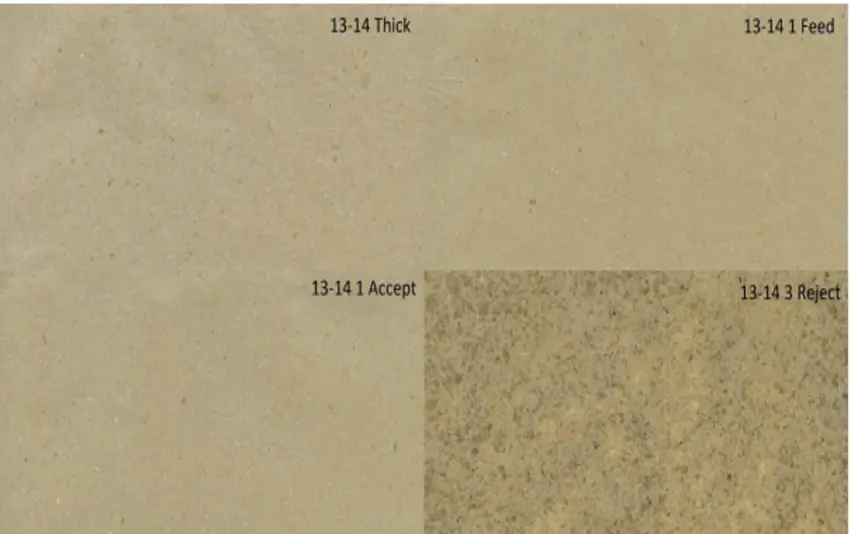
    Hanchang Paper´s Yangsan mill in Korea chose Valmet Hydrocyclone SLP RC to improve the wax removal in their OCC line. Valmet´s technology was selected for its effectiveness in removing lightweight rejects. Results showed significant reduction in wax, leading to fewer sheet breaks and zero wax-related claims.

    Valmet Hydrocyclone SLP RC effectively removed most wax in the cleaning phase, leading to zero wax-related claims since its installation. We trust Valmet´s technology and greatly appreciate their expert support in optimizing our OCC process.

  • CBL Driving India’s Clean Energy Future: Innovations in Biomass Boilers and Hydrogen Technology”

    CBL Driving India’s Clean Energy Future: Innovations in Biomass Boilers and Hydrogen Technology”

    CBL Driving India’s Clean Energy Future: Innovations in Biomass Boilers and Hydrogen Technol

    CBL, a globally renowned leader in engineering solutions with over 30 years of expertise in manufacturing boilers and related products, is at the forefront of India’s energy transition. By leveraging its advanced Biomass boilers, CBL is helping industries reduce steam generation costs while significantly cutting their carbon footprint. With state-of-the-art engineering and design facilities, CBL continues to innovate and provide sustainable solutions.

    Technological Breakthroughs:

    1. Hydrogen Production from Hydrocarbons: Steam Methane Reforming
    2. Hydrogen Production via Electromagnetic Electrolysis: Using an electromagnetic electrolyzer, CBL has drastically reduced power consumption, enabling more efficient, cleaner, and economical hydrogen production.
    1. Solar-Powered Hydrogen Production Methane Production from CO2: CBL has developed a system to produce methane by combining hydrogen with CO2 under specific conditions. Methane is produced on-site and used immediately, eliminating the need for hydrogen transportation.

    The Benefits of Hydrogen for Industry:

    1. Environmental Cleanup: Hydrogen serves as a clean energy source, reducing pollution and cutting greenhouse gas emissions.
    2. Lower Fuel Costs: As hydrogen technology matures, fuel costs are expected to drop significantly.
    3. Reduced Production Costs: Industries will benefit from lower energy expenses, driving more cost-effective operations.
    4. Foreign Exchange Savings: By decreasing dependence on imported fossil fuels, India can conserve valuable foreign exchange resources.

    CBL’s commitment to sustainable solutions is paving the way for a cleaner, greener, and more energy-efficient future for India.

     
  • Environ Aerators are Designed & Manufactured Considering the following points which all the Experts, Consultants, EHS Managers, Leaders are Considering while Evaluating the Aeration System.

    Environ Aerators are Designed & Manufactured Considering the following points which all the Experts, Consultants, EHS Managers, Leaders are Considering while Evaluating the Aeration System.

    Environ Aerators are Designed & Manufactured Considering the following points which all the Experts, Consultants, EHS Managers, Leaders are Considering while Evaluating the Aeration System.
    • Providing Sufficient Oxygen Transfer to Promote Biological Treatment. Which is the basic requirement of any aeration system.
    • Providing sufficient mixing to ensure homogeneity of mixed liquor suspended solids & to prevent Solids Settling.
      This point is very very important while selecting Aeration System, because a part from oxygen Transfer the Aerator should also be a good mixer.If Mixing is not proper in the Aeration tank there is a possibility of sludge Settlement at the floor level of the Aeration tank, which creates septic condition & the D.O. level reduces & sometimes it goes to zero. (The user not achieving the results can check in their Aeration Tank).
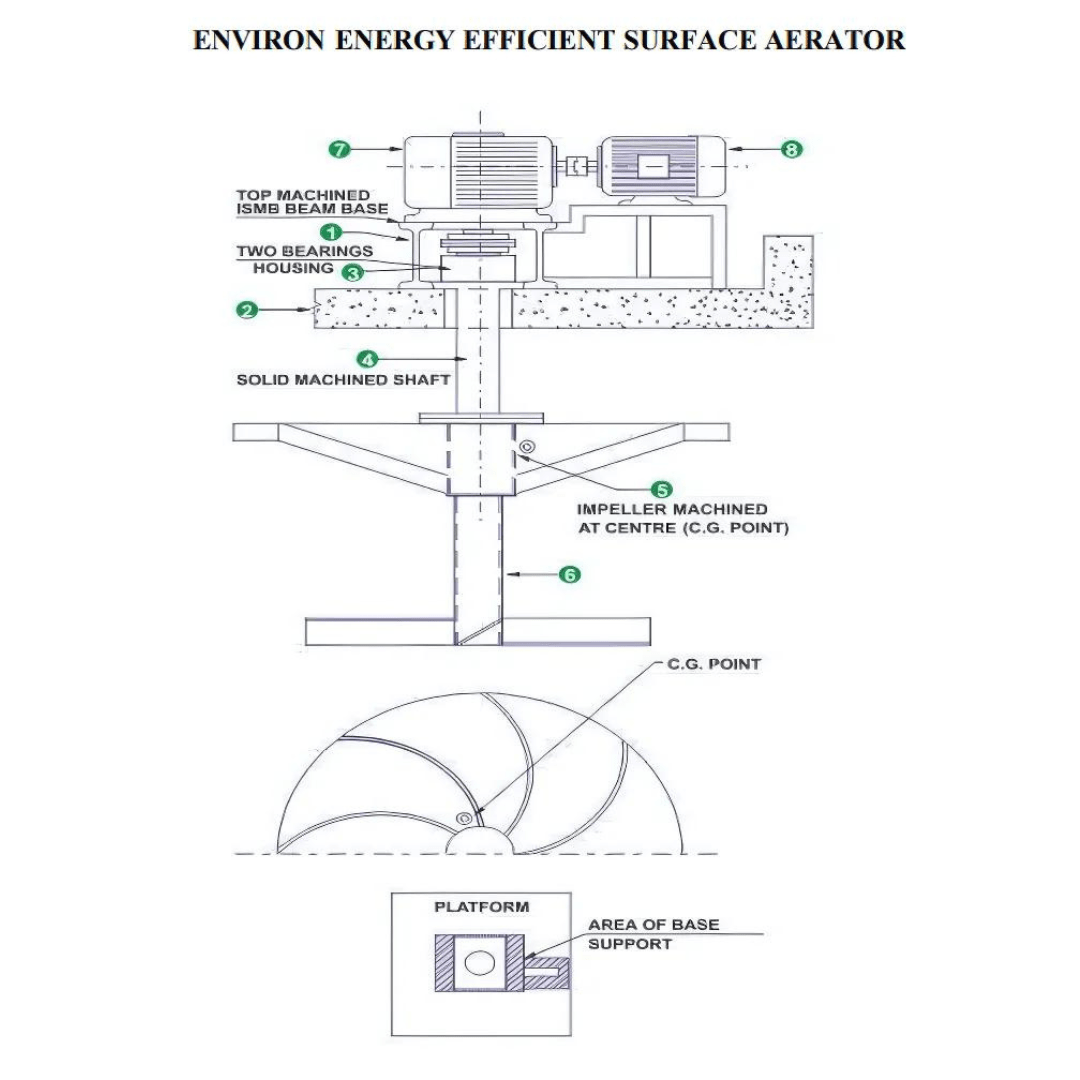
    • Environ Aerators are designed & provided with Dual Impeller one impeller at the top for oxygen Transfer & Second at the bottom for rigrious mixing.
    • Respond to varying process conditions to maximize energy efficiency.
    • Provide reliable service without costly maintenance minimum down time & without reduction in oxygen transfer capability.

    THE AERATORS ARE MANUFACTURED WITH A UNIQUE DESIGN HAVING THE MINIMUM MAINTENANCE & MINIMUM DOWN TIME

    • Fabricated & machined base Frame for 5HP to 15HP ratings & for 20HP & above heavy ISMB Beam Base is provided so, vibrations are lessened & the Base is machined on the Top Surface, so the life of the ENVIRON ENERGY EFFICIENT SURFACE AERATOR Gearbox is increased.
    • Additional Bearing Support is provided to the Aerator Shaft, so the unbalanced cantilevered loads are NOT passed to the output shaft of the Gearbox.
    • MS FULLY MACHINED Solid shaft to take care of tortional loads.
    • Impeller is designed as single shrouded pump impeller to achieve maximum Oxygen Transfer & Mixing efficiency.Secondly, the impeller is machined at centre for its concentric running.
    • NEW GENRATION of (EEEA) having the special unique feature of additional Impeller at the Bottom for better mixing at the floor level of Aeration Tank having total tank Water Depth up to 6Mtr. Due to rigrious mixing the solubility of oxygen is more & the Oxygen Transfer Efficiency of the impeller is increased, hence with lesser HP more Oxygen Transfer is achieved.
  • MPH1865 starts up Toscotec supplied low carbon design tissue machine

    MPH1865 starts up Toscotec supplied low carbon design tissue machine

    MPH1865 starts up Toscotec supplied low carbon design tissue machine

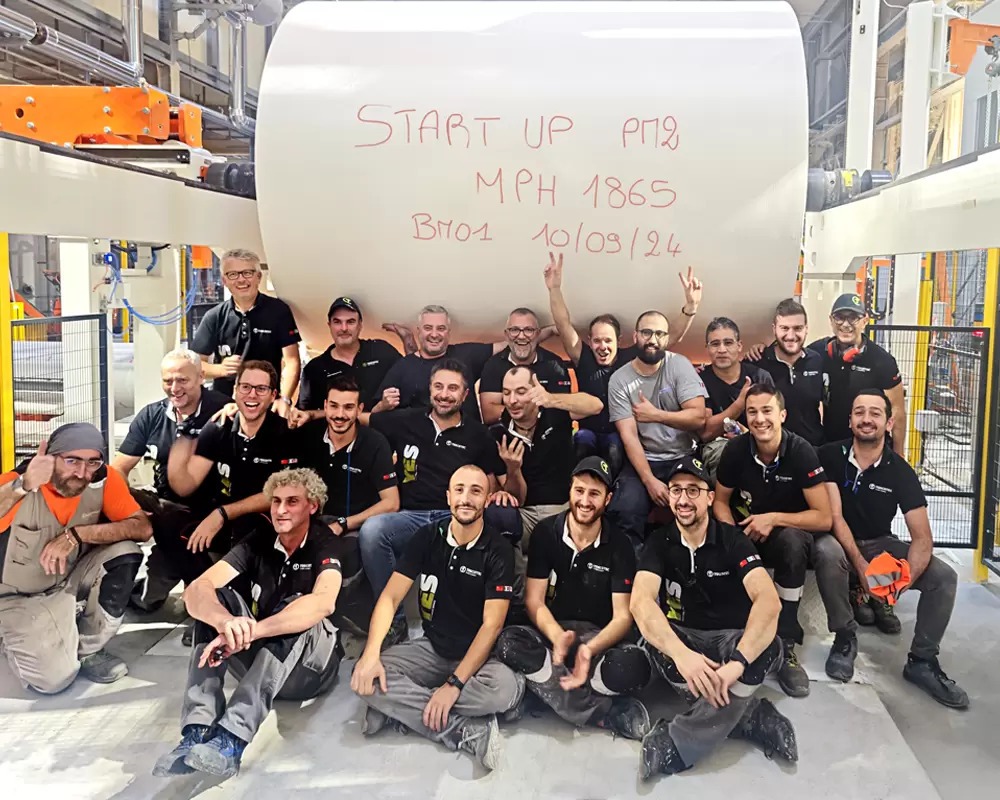
    MPH1865 has started up an AHEAD 2.2 tissue line (PM2) supplied by Toscotec on a turnkey basis at their Annonay mill in France. This was Toscotec’s second turnkey supply to MPH1865, after PM1 began production in 2012.

    Innovative low-carbon design for top performance 

    PM2 has a sheet trim width of 2,800 mm, a design speed of 2,200 m/min and a production capacity of 38,000 tpy. It features Toscotec’s energy efficient technology of TT NextPress shoe press and TT SYD Steel Yankee Dryer, and it is the first high-speed tissue machine to operate with an entirely electrical air system with three stages of heat recovery. Toscotec’s high efficiency TT Hoods are equipped with both natural gas burners and electric heaters. The air system is designed to offer three efficient operation modes: gas-heated, electrically heated and a combination of the two, to ensure maximum flexibility in the choice of energy based on availability, cost, and carbon footprint. In full electrical configuration, MPH1865 will eliminate the direct carbon emissions associated with the hood drying process.

    Turnkey supply for the strictest performance guarantees

    The supply includes the stock preparation system featuring two complete lines, one for virgin wood fibres and one for waste paper specifically designed to feed both PM1 and PM2, as well as a machine broke line to maximize fiber recovery. Toscotec has supplied its patented TT SAF® DD system (Short Approach Flow with Double Dilution), fiber recovery and water clarification systems, the complete tissue line with electrification and controls, as well as dust and mist removal systems. The scope also included mechanical erection, dismantling and repositioning of key equipment shared between PM1 and PM2, erection supervision, training, commissioning, and start-up assistance. 

    Laure Miribel, Deputy CEO of MPH1865, says: “Ten years after the start-up of PM1, we have trusted again in Toscotec for the realisation of a highly innovative project. We are inaugurating a new chapter in the history of our family business, one where we focus on the long-term vision and uphold the key principles of utmost respect for the environment and firm commitment to the local community. The sustainability of our operations from energy to resource usage becomes central to everything we do, and Toscotec’s technology will support us on this journey.”

    Gabriele Barattini, Toscotec’s Project Manager, says: “With this start-up, we have achieved a great target both for MPH1865 and Toscotec. The excellent cooperation we had from day one was absolutely key to today’s result. We will soon be completing the installation of the recycled paper line, so as to follow through with a vast project that stands out as a very unique operation in our industry from a sustainability standpoint.”

  • Toscotec completed a technological rebuild at WEPA in Giershagen, Germany

    Toscotec completed a technological rebuild at WEPA in Giershagen, Germany

    Toscotec supplied a technological upgrade to WEPA at their Giershagen production site in Germany. The project achieved a substantial improvement in machine run-ability and ease of maintenance on one of the mill’s paper machines.  

    Rebuild into Crescent Former

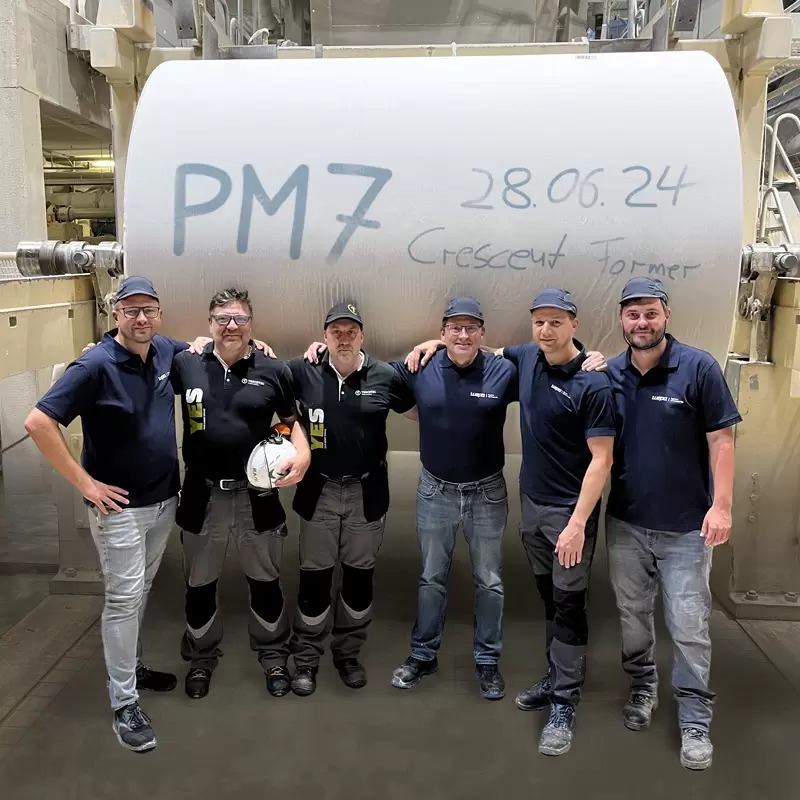
    Toscotec rebuilt the wet end section of the machine from Tisco Former into a Crescent Former configuration, including mechanical drive system replacement, as well as modification of the machine frame and vacuum system. The associated service package included detailed engineering, dismantling operations of the existing equipment, mechanical erection, erection supervision, commissioning, and start-up assistance.

    Frank-Peter Folcz, Mill Manager WEPA Giershagen, is delighted, “As with previous projects, this project was also characterised by good cooperation, preparation and a successful implementation. The result fully met our expectations.”

    Gabriele Barattini, Project Manager at Toscotec, says, “Toscotec has a long-standing and strong partnership with WEPA, which makes our daily cooperation very productive. This extensive technological upgrade allowed WEPA Giershagen to bring the run-ability of the paper machine to a whole new level, improving production efficiency and quality.”

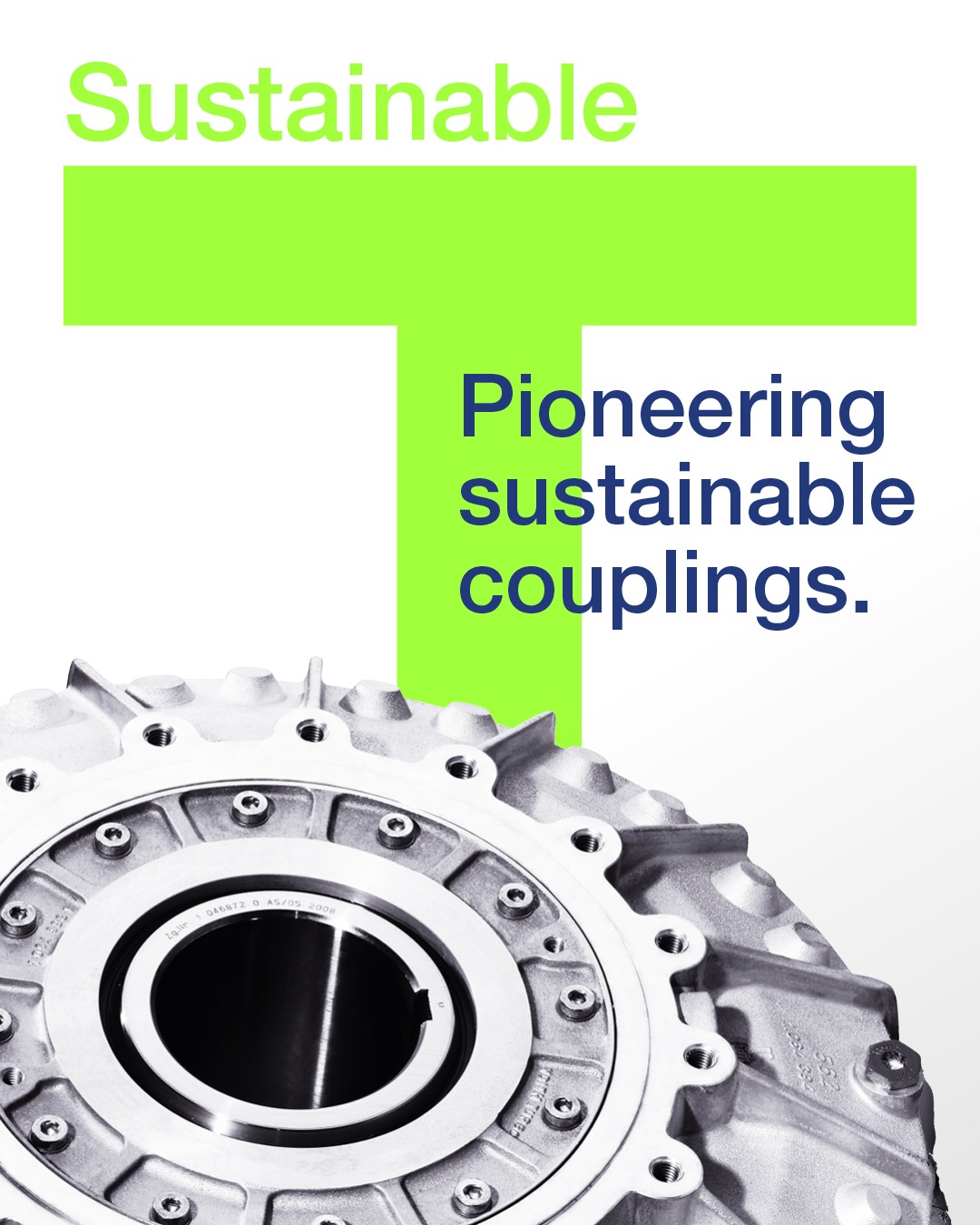
  • Sustainable T: Voith makes its fluid couplings more sustainable

    Sustainable T: Voith makes its fluid couplings more sustainable

    With a focus on sustainability, Voith presents an advancement in its portfolio of constant-fill fluid couplings – Sustainable T.

    Voith’s hydrodynamic fluid couplings have been fixtures in many industries for decades. They are used wherever maximum reliability even in extreme environmental conditions is demanded of the equipment – often 24 hours a day. Thanks to their robust design, they provide for efficient production flows in mining systems, especially belt conveyors, crushers, impactors, separators and mixers. The couplings are also used in port facilities, construction machines and equipment, pumps and compressors, and a wide variety of other industrial drive systems. Wind turbine manufacturers have also already discovered the advantages that Voith technologies can offer them.

    With Sustainable T, Voith enables the sustainable operation of constant-fill fluid couplings over the entire product life cycle.

    “With Sustainable T, we’re already thinking about tomorrow today, because we manufacture extremely durable products that are perfectly tailored to our customers’ long system service lives of 20 to 40 years. This means we pay close attention to the materials used in our components, utilizing only environmentally compatible materials wherever possible. We also hold intensive discussions with our suppliers and subsuppliers. As a result, we save our customers unnecessary concerns and unforeseen costs.” Says Michael Hilka, Product Manager Hydrodynamic Couplings at Voith.

    It is only a matter of time before the requirements for processing, disposal and recycling will be tightened further in the interests of better environmental protection and health, according to Hilka. For customers, these innovations bring with them further advantages. Products that do not contain hazardous substances do not have to be handled or disposed of separately later.

    70 percent less fusible alloy material

    One of the innovative functional improvements of Sustainable T is the design of the fusible plug, which Voith has optimized and patented. It provides savings of up to 70 percent compared with the competition in terms of the amount of fusible alloy material used. At the same time, the response behavior of the plug is improved, and Voith avoids using hazardous materials such as lead or cadmium in the slug. This is better for both people’s health and the environment.

    The same applies to the use of new, more sustainable hydraulic fluids made possible through the advancements within the scope of Sustainable T. “Our constant-fill fluid couplings are made in such a way that customers can use selected hydraulic fluids that are readily biodegradable,” Hilka points out. Voith therefore offers the option of using an alternative to the mineral oil that has been commonly used to date. “In this way, we make it possible to operate our couplings more sustainably without compromising on quality. Our customers can continue to rely on the familiar reliability and long service life of our fluid couplings,” says Hilka.

    Water operation at -40°C

    Other advancements in the water-operated couplings from Voith also contribute to sustainability. The couplings can now be operated with a mixture of water and selected antifreeze agents. The materials of the components can be selected for use down to -40°C if necessary. Until now, operators at locations at which temperatures could drop below freezing had to use mineral oil-filled couplings. This is a particular advantage for equipment operating in sensitive environments.

    At the same time, the couplings retain all the usual advantages of Voith fluid couplings: They allow soft starting of the system, dampen the torsional vibrations in the drivetrain during operation, and protect the system from torque overload. This protects the entire system and forms the basis for many decades of service, thanks to the Voith couplings.