Category: Interviews

  • PRIMA Group

    PRIMA Group

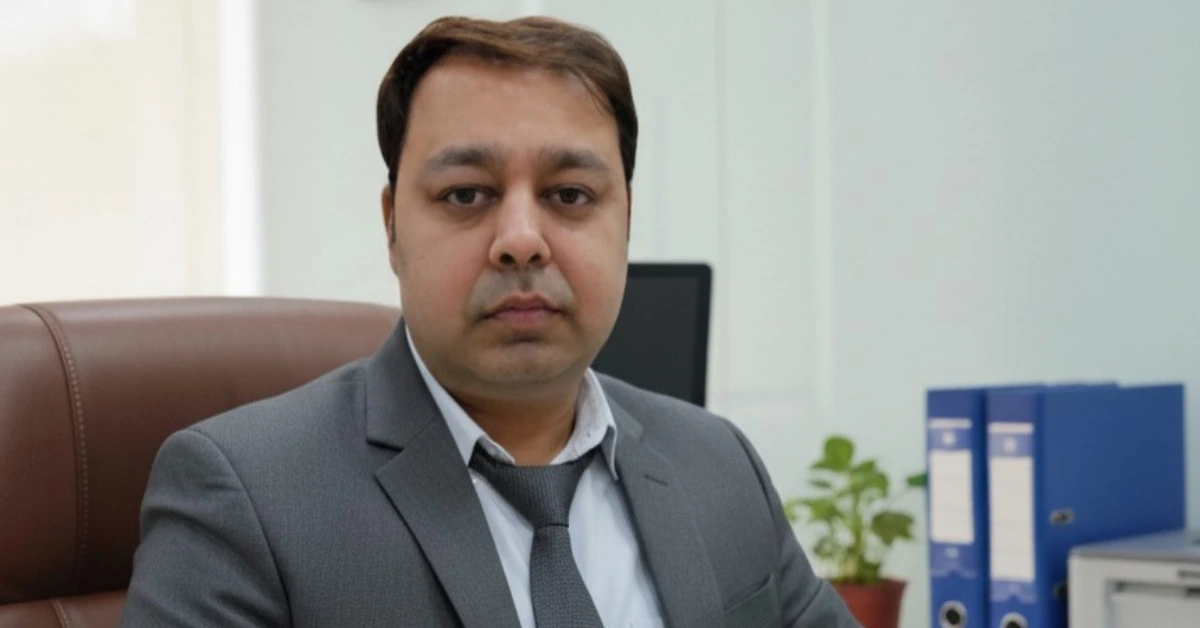
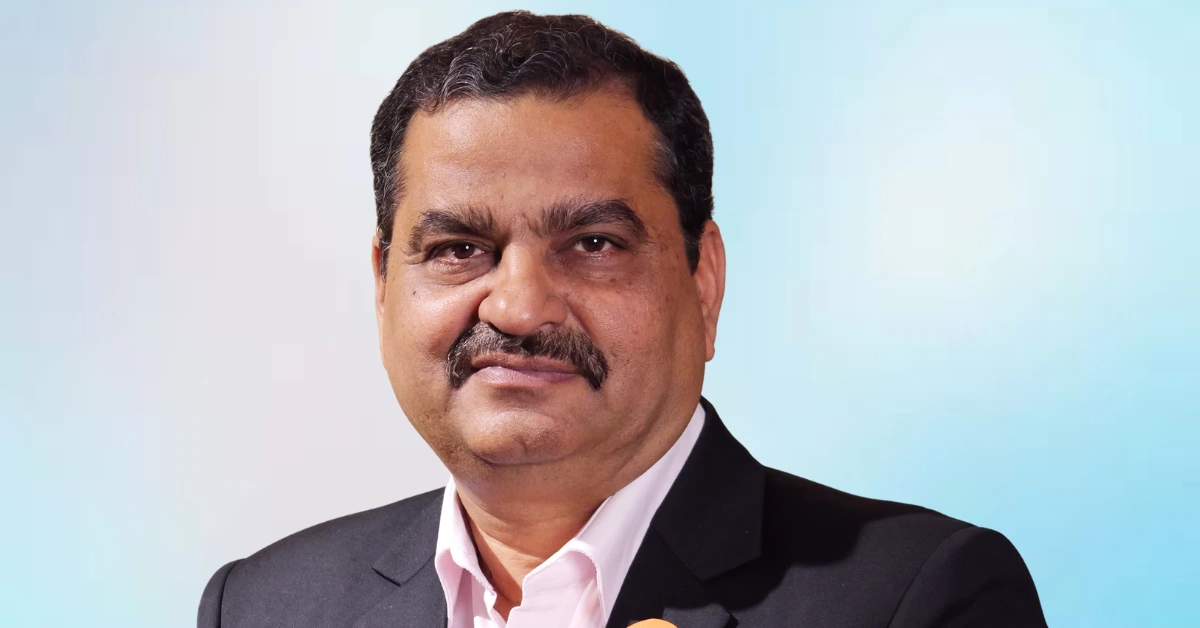
    Interview with Dr. Pritesh M. Shah, Chairman, PRIMA Group.
    Guided by responsibility, safety, innovation, and integrity, we engineer reliable environmental monitoring solutions that help create cleaner industries and a more sustainable future.

    PaperDesk : What motivated the foundation of Prima Equipment in 1992 and how has the company’s mission evolved since then?

    Pritesh M. Shah : Prima Equipment was founded in 1992 with a clear purpose—to develop reliable, indigenous environmental monitoring systems for Indian industries. At that time, industries were heavily dependent on imported instruments that were expensive, difficult to service, and not built for Indian tropical conditions. I saw the need for technology that was engineered, manufactured, and supported locally.

    From our earliest days, our focus was on building instruments that industries could trust through all conditions. Over time, our mission expanded from providing reliable measurement systems to delivering complete, intelligent environmental ecosystems that support long-term sustainability. Today, we work to ensure our customers progress from meeting compliance to enabling responsible, sustainable industrial growth. Our core belief remains unchanged: “Only with clean environment & intentions, rises a clean great nation.”

    PD : How do the company’s core values around environment, safety and innovation influence operations and strategy?

    PMS : Our values guide every aspect of our business—environmental responsibility, industrial safety, innovation rooted in self-reliance, and integrity. These principles shape how we design products, conduct research, train teams, and deliver services.

    Environmental monitoring is not just technology; it is responsibility. Our commitment to accuracy, reliability, and ethical engineering ensures that every decision we make contributes to cleaner industries, safer workplaces, and a more sustainable future.

    PD : Could you highlight a few key milestones that shaped Prima’s growth?

    PMS : Several milestones shaped our journey. In the late 1990s, we developed India’s first indigenous Continuous Emission Monitoring System designed specifically for Asian tropical conditions. As industries evolved, we were among the first to incorporate IoT in environmental monitoring. We established a 39,000 sq. ft. integrated manufacturing and R&D facility that consolidated design, electronics, firmware, mechanical engineering, and calibration under one roof. One of our proudest achievements has been earning global certifications such as QAL-1 compliance under EN 14181 & EN 15267-3 and, more recently, the MCERTS certification in 2025. These recognitions validated our commitment to engineering excellence and demonstrated that Indian technology can surpass global benchmarks.

    PD : What are the primary product categories offered by Prima and how do they serve industrial clients?

    PMS : Prima offers a comprehensive portfolio that includes Continuous Emission Monitoring Systems, Ambient Air Quality Monitoring System, Occupational Safety and Health monitoring instruments, Process Gas Analyzers, Fuel and Efficiency Monitoring instruments, and Industrial Quality Control analyzers. Our systems help industries ensure compliance, improve operational transparency, safeguard workers, and optimize energy and resource usage. By offering reliable, high-accuracy data, we help industries transition confidently from compliance-driven operations to sustainable practices.

    PD : How does Prima ensure that its instruments meet international standards and certifications?

    PMS : We follow stringent testing frameworks aligned with EN, CE, IEC, and ISO-based quality systems. Every instrument undergoes comprehensive endurance checks, drift testing, EMC verification, vibration analysis, and ISO-traceable calibration. These measures ensure global-level performance and long-term stability. For us, certification is not a requirement—it is a responsibility to our customers and to the environment.

    PD : What are the technology challenges in designing monitoring systems for harsh industrial conditions?

    PMS : Industrial environments in India and Asia present unique challenges—high humidity, monsoon exposure, corrosive gases, dust-heavy processes, temperature fluctuations, and unstable power conditions. Imported systems often fail because they are not designed for such variables. Our systems are engineered specifically for these realities. We use corrosion-resistant materials, robust electronics, drift-stable optics, enhanced thermal control, and advanced algorithms to ensure measurement integrity. Reliability is the first step toward sustainability, because only a reliable system can support environmental accountability.

    PD : How does Prima’s in-house design and manufacturing model contribute to product quality?

    PMS : In-house design gives us full control over quality—from firmware and electronics to mechanical engineering, calibration, and field simulation. This ensures consistency, faster innovation cycles, and the ability to customize solutions for industry-specific requirements. The result is equipment that performs reliably across diverse industrial conditions for many years.

    PD : Which end-industries constitute your major customer base?

    PMS : We serve a wide range of sectors—including power generation, cement, iron and steel, pulp and paper, pharmaceuticals, chemicals, waste-to-energy, and agro-processing industries.

    Each industry has distinct operational demands, and our solutions are designed to integrate seamlessly into these varied environments.

    PD : How is Prima innovating its offerings to stay ahead of compliance demands?

    PMS : We innovate proactively, not reactively. Our systems incorporate IoT-driven remote monitoring, intelligent diagnostics, automated calibration, predictive maintenance insights, and modular upgrades.

    These technologies help industries stay ahead of regulatory changes and improve both environmental and operational performance.

    PD : Can you share an example of a customized monitoring solution delivered by Prima?

    PMS : A chemical plant approached us with demanding conditions—high moisture, acid mist, fluctuating gas levels, and corrosive fumes. Their imported analyzers faced repeated failures. We engineered a specialized solution using SS316L components, temperature-stabilized optics, advanced gas-filter algorithms, and anti-condensation safeguards. The system delivered stable, high-accuracy performance over sustained periods. This success demonstrated how robust engineering directly supports sustainable compliance for industries operating in extreme conditions.

    PD : How has Prima scaled its manufacturing and export operations?

    PMS : Our integrated manufacturing campus, combined with export-ready design architecture, has allowed us to scale seamlessly. With strong in-house R&D, a disciplined production methodology, and globally compliant systems, we have transitioned from serving local industries to becoming a trusted global supplier.

    PD : What are Prima’s key competitive advantages?

    PMS : Our biggest strengths are indigenous innovation, engineering tailored for tropical conditions, a strong service network, ISO-traceable calibration practices, and reliable long-term performance. We promise reliability—and reliability is the foundation of sustainability in industrial environments.

    PD : How do you ensure reliability and uptime for your customers?

    PMS : We ensure this through nationwide service teams, remote diagnostics, preventive maintenance programs, pre-stocked spare parts, and fast response on-site support. When industries depend on real-time data to meet their environmental obligations, continuous uptime becomes critical—and we take that responsibility seriously.

    PD : How do you integrate digital monitoring and analytics into your systems?

    PMS : Digitalization is transforming environmental monitoring. Our platforms offer cloud dashboards, mobile access, predictive alerts, automated compliance reports, and secure data redundancy. By converting data into actionable insights, we help industries make informed decisions that enhance both reliability and sustainability.

    PD : For CEMS, what critical variables must your equipment reliably handle?

    PMS : A CEMS must handle high temperatures, dust loading, moisture, acid fumes, fluctuating velocities, and variations in gas concentrations. These complexities make reliability essential. A system that cannot manage these variables cannot support sustainable environmental management.

    PD : What is the role of calibration and traceability?

    PMS : Calibration defines accuracy and credibility. We maintain strict ISO-traceable calibration environments, monitor drift behavior, and ensure regular re-certification cycles. Sustainable compliance begins with data integrity—and data integrity begins with calibration.

    PD : What are Prima’s growth plans for the next 3–5 years?

    PMS : We plan to expand across more than 15 international markets, introduce AI-integrated monitoring systems, strengthen our digital platforms, and enter new sectors such as green hydrogen, bio-energy, and advanced waste processing. Sustainability will be the guiding principle for all future developments.

    PD : How are sustainability and circular economy principles shaping your roadmap?

    PMS : We are committed to long-life components, low power consumption, modular upgradability, remote monitoring, and minimal consumables. These principles reduce environmental footprint and support long-term sustainability—both for industries and for us as manufacturers.

    PD : Are there collaborations you are exploring?

    PMS : Yes. We are exploring collaborations with global technology partners, academic institutions, international laboratories, and certification bodies. These partnerships will help us bring advanced, globally aligned technologies to industries in India and abroad.

    PD : How does Prima implement environmental responsibility in its operations?

    PMS : We apply environmental responsibility internally through energy-efficient operations, waste reduction, water conservation, and internal emissions monitoring. Sustainability must be practiced within the organization before it is offered to the world.

    PD : Recent awards or recognitions?

    PMS : Our MCERTS certification in 2025, our distinction as the world’s only QAL-1 compliant CEMS manufacturer under EN standards, and recognition as the “Most Trusted Indian Brand” have been significant milestones. These achievements reaffirm our commitment to engineering excellence.

    PD : How has the company adapted to global trends?

    PMS : By integrating real-time digitalization, auto-diagnostics, rugged system designs, advanced optics, and remote support tools. Our goal is to help industries evolve from reactive compliance to proactive sustainability.

    PD : Upcoming launches or announcements?

    PMS : We will soon be introducing next-generation digital CEMS, AI-powered predictive platforms, and an expanded international portfolio. These advancements will further connect reliability with sustainability across global markets.

  • Shree Bihani Paper Syndicate

    Shree Bihani Paper Syndicate

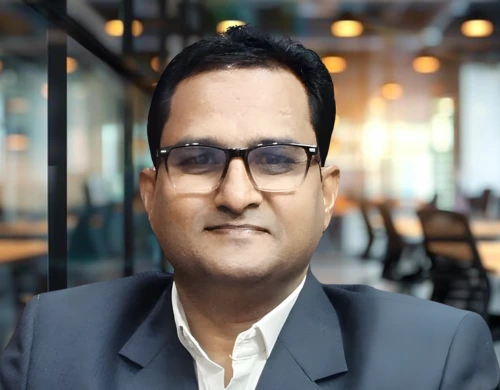
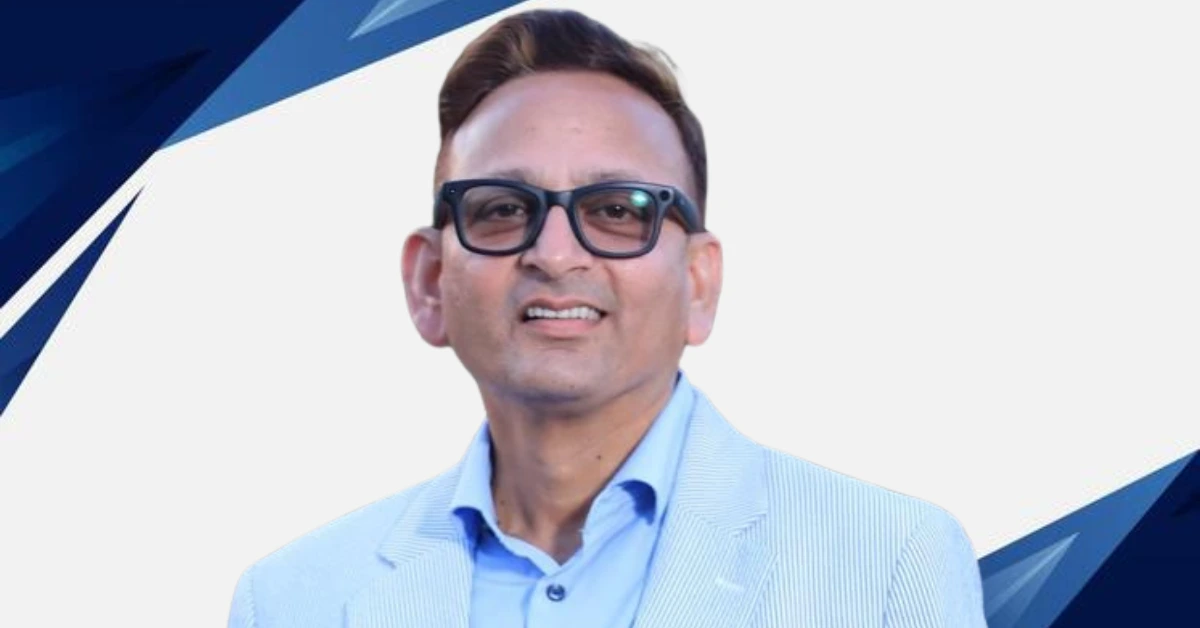
    Interview with Mr. Vishal Bihani, Partner, Shree Bihani Paper Syndicate.
    Founded in 1972, Shree Bihani Paper Syndicate grew from a small initiative into a trusted name by delivering quality paper products with unwavering commitment and customer-first service.

    Paper Desk : Can you tell us about the origins of the Shree Bihani Paper Syndicate business? What inspired the founders to start in the paper / stationery industry?

    Vishal Bihani : Shree Bihani Paper Syndicate was founded in 1972 with a clear and focused objective, to provide the complete range of paper products to consumers under one trusted name. The founders identified a growing need for quality and reliable paper supplies in the Indian market. What began as a small initiative gradually strengthened into a reputed business known for its commitment to service and customer satisfaction. Over the years, this vision has continued to guide the company’s growth and reputation in the paper and stationery industry.

    PD : What core values or guidingprinciples have driven Shree Bihani Paper Syndicate growth over the decades?

    VB : From the very beginning,Shree Bihani Paper Syndicate growth has been guided by a clear principle—to cater to all kinds of paper and paper-based products for both B2C and B2B customers. This commitment to serving every segment with reliability and consistency has shaped the company’s journey over the decades. Strong customer focus, ethical business practices, and a dedication to quality have remained at the core of every decision.

    PD : How did the founders decide on the product mix (writing & printing paper, notebooks, stationery) in the early days?

    VB : In the early days, we began by selling Writing and Printing Paper, which formed the foundation of our business. As the demand from different consumer segments increased, we gradually expanded our product portfolio. This led us to start manufacturing notebooks, registers, and other related stationery items to serve a wider audience. The product mix evolved naturally based on market needs and our commitment to offering complete paper solutions. This approach helped us reach more consumers while strengthening our presence in the industry.

    PD : What are the main product lines of Shree Bihani Paper Syndicate (writing 4. paper, printing paper, notebooks, etc.)?

    VB : Shree Bihani Paper Syndicate primarily deals in a wide range of Writing and Printing Papers that cater to diverse industry needs. Our portfolio also includes high-quality Copier Paper, which is widely supplied to offices and institutions.

    In addition, we provide Rulled Paper specifically used for manufacturing notebooks and other stationery products. These focused product lines enable us to serve both wholesale and manufacturing segments efficiently.

    PD : How do you ensure quality in your paper products, particularly given the broad range (e.g., coated vs uncoated, specialty papers)?

    VB : To ensure consistent quality across our entire product range, we source our materials from some of the most prominent and reputable paper mills in the industry. These mills follow strict manufacturing standards, allowing us to offer both coated and uncoated papers with reliable performance. By partnering only with manufacturers known for top-grade production, we maintain uniform quality in every category. This commitment helps us supply specialty papers and regular grades with the same level of trust and consistency to our customers.

    PD : What role does technology play in your operations (e.g., for inventory, converting, packaging)?

    VB : Technology plays a key role in streamlining our day-to-day operations. We have been using an ERP system for many years, which helps us manage inventory, orders, and customer requirements with accuracy and speed. This digital integration ensures smooth coordination across all departments. By adopting efficient systems early, we are able to deliver faster service and maintain high levels of customer satisfaction—our foremost priority.

    PD : How has the demand for differenttypes of paper changed over time, and how has Shree Bihani Paper Syndicate adapted?

    VB : Over the years, the demand for various paper categories has shifted due to changing consumer preferences and industry trends. To stay aligned with these changes, we have continuously adapted our product SKUs based on market requirements. This flexibility has allowed us to introduce new grades, discontinue less-demanded items, and ensure the right products are always available. By closely monitoring market movements, Bihani has consistently stayed relevant and responsive to customer needs.

    PD : How do you managesupply-chain risks, such as price fluctuations in raw materials (pulp, paper stock)?

    VB : To manage supply-chain risks and price fluctuations, we maintain more than 20,000 sq. ft. of well-equipped godowns where adequate stock is always stored. This strong inventory buffer helps us absorb sudden market changes without affecting customer supply. By planning purchases strategically and stocking essential grades in advance, we reduce the impact of raw material volatility. This approach ensures steady availability, stable pricing, and uninterrupted service to our clients.

    PD : How does Shree BihaniPaper Syndicate positionitself in the highly competitive paper industry?

    VB : In a highly competitive industry, Shree Bihani Paper Syndicate has been able to establish a strong market position by consistently delivering reliable and high-quality products. Within a short period, we have proven our leadership across several product categories through performance, service, and customer trust. Our ability to understand market needs and respond quickly has further strengthened our presence. This reputation for dependability allows us to stand out even in a crowded marketplace.

    PD : What strategic partnerships have you formed (suppliers, distributors, perhaps with mills)

    VB : Over the years, we have built strong strategic partnerships with leading suppliers, distributors, and paper mills across the country. Our good creditworthiness and consistent business ethics make us a preferred partner for many in the industry. These long-term relationships ensure a steady supply of quality products and smooth operations. By maintaining transparency and reliability, we continue to strengthen our network and expand our reach.

    PD : Have you adopted digital tools in your operations (ERP, CRM, supply-chain software)?

    VB : Yes, we have adopted both ERP and CRM systems along with other advanced software tools to streamline our operations. These digital solutions help us manage inventory, customer relations, billing, and supply-chain activities with greater accuracy. By integrating technology into our workflow, we ensure faster response times and improved service quality. This digital transformation has strengthened our overall efficiency and enhanced customer satisfaction.

    PD : Are you exploring new material technologies (such as lightweight papers, specialty / high-end papers

    VB : We are always open to diversification and continuously explore new opportunities in material technologies. As market preferences evolve, we evaluate the potential of lightweight papers, specialty grades, and high-end products to expand our portfolio. Our focus is on identifying innovations that offer better performance and value to customers. This openness allows us to stay future-ready and adapt to emerging industry trends.

    PD : How do you plan to scale sustainably, considering environmental concerns in pulp and paper?

    VB : Sustainability is a key focus in our growth strategy. We increasingly source paper from mills that use bagasse and other wood-residue materials, reducing the dependence on pure pulp. This approach helps lower environmental impact while supporting responsible manufacturing practices. By prioritizing eco-friendly alternatives and partnering with mills that follow greener processes, we ensure our expansion remains both sustainable and socially responsible.

    PD : What role will innovation play in your growth, both in productsand business model?

    VB : Innovation plays an important role in staying competitive and relevant in the paper industry. We remain open to adopting new ideas and improvements in both our products and business processes whenever required. This flexibility allows us to respond to changing market needs and enhance efficiency. By embracing innovation thoughtfully, we aim to deliver better value to our customers and drive sustainable growth for the company.

    PD : How does Shree BihaniPaper Syndicate addressits environmental footprint (waste, recycling, energy usage)?

    VB : Shree Bihani Paper Syndicate is committed to minimizing its environmental footprint. We prioritize the use of recycled paper wherever possible, reducing the reliance on virgin materials. Additionally, we strive to optimize energy consumption throughout our operations. By focusing on sustainable practices in sourcing and usage, we aim to contribute to a greener and more responsible paper industry.

    PD : Doyou have any CSR (Corporate Social Responsibility) initiatives, for example in education, community development, or sustainability?

    VB : Yes, Shree Bihani Paper Syndicate actively engages in CSR activities, supporting initiatives in education, community development, and sustainability. While we are not legally required by authorities to undertake these programs, we believe in giving back to society. Our efforts reflect our commitment to social responsibility and creating a positive impact in the communities we operate in. Through these initiatives, we aim to contribute meaningfully beyond our business operations.

    PD : Doyou have policiesto ensure ethicalsourcing of raw materials / paper stock?

    VB : Shree Bihani Paper Syndicate strictly follows ethical sourcing practices for all its raw materials and paper stock. We ensure that our suppliers adhere to responsible and transparent manufacturing standards. This commitment guarantees that the products we provide are not only of high quality but also sourced responsibly. Upholding ethical standards is central to maintaining trust with our customers and partners.

    PD : How have global economic trends (e.g., raw material price volatility, supply- chain disruptions) impacted your business?

    VB : Global economic trends, including raw material price volatility and supply-chain disruptions, have influenced the paper industry over time. At Shree Bihani Paper Syndicate, we closely monitor these market shifts and adjust our product offerings and stock accordingly. This proactive approach helps us maintain consistent supply and meet customer expectations despite external challenges. By staying adaptable, we continue to operate efficiently in a dynamic global environment.

    PD : What recent milestones or achievements is Shree Bihani Paper Syndicate particularly proud of?

    VB : Shree Bihani Paper Syndicate takes pride in its multifold growth over recent years, both in terms of sales and profitability. This achievement reflects the effectiveness of our business strategies and the trust our customers place in us. Alongside financial growth, we have expanded our product range and strengthened our market presence. These milestones highlight our ongoing commitment to excellence and sustainable development in the paper industry.

  • JMC Paper Tech Pvt. Ltd.

    JMC Paper Tech Pvt. Ltd.

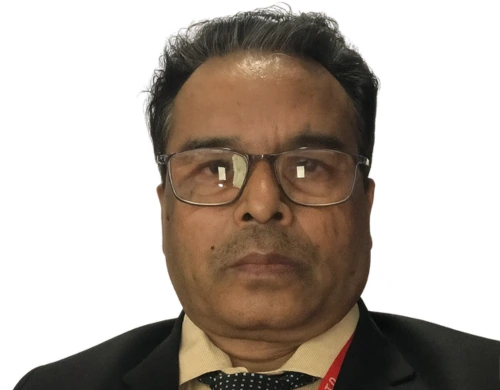
    Interview with Mr.Rajni Patel, Chairman & Managing Director, JMC Paper Tech Pvt. Ltd.
    JMC Paper Tech was founded to bridge India’s technology gap in pulp and paper machinery, turning a challenge into an opportunity for world-class engineering.

    Paper Desk : What inspired the founding of JMC Paper Tech in 2002? What vision shaped its entry into pulp and paper machinery?

    Rajni Patel : JMC Paper Tech was founded in 2002 with a strong conviction that India was ready to emerge as a global engineering hub in the pulp and paper machinery segment. At the time, the Indian industry was heavily dependent on imported machines and technologies, and very few companies were capable of offering complete turnkey solutions. This gap presented both a challenge and an opportunity.

    Coming from a family of industrialists and technocrats, I was deeply influenced by the desire to build an organization that embodied engineering excellence, ethical business practices, and long-term value creation. I wanted to demonstrate that world-class machinery could be conceived, designed, and manufactured in India and not merely assembled or imitated. Our founders believed that the future of India’s industrial sector lay in indigenous innovation and global competitiveness. This belief shaped the DNA of JMC from day one: precision engineering, strong technical foundations, uncompromising quality, and a commitment to innovation. In the early years, our focus was on creating reliable, efficient, and cost-effective machinery that could enable Indian paper mills to enhance productivity and reduce dependency on imported equipment. That foundational vision—rooted in engineering excellence and integrity—remains the cornerstone of our identity even today.

    PD : How has this founding vision evolved with the company’s global expansion?

    RP : Over the past two decades, JMC’s vision has expanded in both scale and ambition. While our core philosophy remains the same, the scope of our work and the markets we serve have grown dramatically. From being a machinery manufacturer, JMC has now evolved into a Globally Recognized EPC Partner delivering complete pulp and paper mill projects across Africa, the Middle East, South Asia, North America, and beyond. Our evolution has been shaped not merely by geographical expansion, but by our drive to become a trusted international technology brand. Today, we execute large turnkey projects—both recycled fiber-based and wood/agro-based pulp mills—bringing together design, manufacturing, process engineering, automation, installation, and commissioning into one integrated solution.

    The transformation from a domestic manufacturer to a global engineering house reflects our enhanced capabilities, global credibility, and deep understanding of diverse industrial needs. With successful installations in Uganda, Ethiopia, Kenya, Ivory Coast, South Africa, Bangladesh, Mexico, and Canada, JMC is now synonymous with reliability, precision, and long-term partnership across continents.

    PD : What is the scope of machinery and solutions offered by JMC today?

    RP : JMC provides a comprehensive range of machinery and turnkey solutions for the pulp and paper industry, covering every stage from fiber preparation to finishing. Our scope includes Advanced Stock Preparation Plants—featuring pulpers, cleaners, screens, approach flow systems—and High-Performance Paper Machines including single-wire, multi-wire, and multi-ply board machines. We manufacture a complete spectrum of Headboxes (hydraulic, dilution-controlled, air-cushion pressurized), Press Sections (single, double, bi-nip, tri-nip, jumbo), Dryer Sections with high-efficiency carbon steel dryers, MG cylinders, Yankee dryers, hood systems, and Size Press/ Film Press systems along with chemical preparation and dosing units. Our capabilities extend to Calendering, Rewinding, Finishing Equipment, and fully Integrated (Wood/ Agro Based) Pulp Mills including continuous/batch cooking, washing, screening, oxygen delignification, and chemical recovery systems. Additionally, we carry out Modernization, Revamps, and Re-engineering projects; undertake Erection, Commissioning, Trial Runs, and Operator Training; and offer On-site Supervision and Baby-Sitting services. Essentially, we function as a Complete EPC Partner from conceptual engineering to production commencement.

    PD : What advanced technologies support JMC’s design and manufacturing processes?

    RP : Our machinery is designed and engineered using world-class tools and software, including AutoCAD, SolidWorks, AutoCAD Plant 3D, CFD simulations, and Finite Element Analysis (FEA). These tools help us create high-precision digital models, simulate fluid flow, optimize structural performance, and validate critical load conditions even before fabrication begins. On the shop floor, we employ Modern CNC plasma cutting, precision machining, dynamic balancing, welding automation, and high-capacity fabrication systems. Every component undergoes rigorous quality checks, supported by metallurgical testing, NDT, hydro-testing, and third-party inspections.

    Technology is not limited to how we design and manufacture equipment—it also drives how we innovate. Our R&D team works continuously to upgrade Headbox uniformity, enhance press section dewatering, optimize energy-efficient stock preparation layouts, improve steel dryer thermal performance, and develop high-speed rewinder designs. These innovations allow customers to achieve higher efficiency, better quality, and lower cost per ton.

    PD : Does JMC also innovate and develop optimized components?

    RP : Absolutely. Continuous improvement forms a core part of our company culture. We regularly develop upgraded components and re-engineered solutions based on customer feedback and performance studies. Our improvements include enhanced headbox distribution systems for superior CD profiles, energy-saving press section designs that improve dryness, streamlined stock preparation layouts with lower power consumption, and high-efficiency steel dryers that contribute to measurable steam savings. In short, optimization and innovation are ongoing, driven by a strong R&D foundation.

    PD : Which market segments does JMC primarily serve?

    RP : JMC caters to a broad spectrum of the industry, including Kraft Paper, Packaging Grades, Testliner, Fluting, White Top Linerboard, Duplex and Triplex Board, Specialty Papers such as wrapping and absorbent grades, and MG papers. For Tissue, we work closely with our Technology Partner Kawanoe Zoki of Japan to deliver advanced, high-speed tissue solutions. This diversified portfolio allows us to meet the needs of both domestic and global markets.

    PD : How has market demand influenced JMC’s growth?

    RP : Market demand—both Domestic and International—has been a major catalyst for JMC’s evolution. International customers have pushed us towards High-speed, Wide-Deckle Paper Machines that incorporate Advanced Automation, robust mechanical design, and Energy Efficiencies.

    Meanwhile, Indian mills have inspired us to create Cost-effective, Durable, and Flexible solutions that perform reliably under local conditions and raw material variations.

    PD : What are the key innovations JMC has introduced recently?

    RP : Our recent innovations include major advancements in Heavy Fabrication, enabling us to build large, high-speed machines comparable to global standards. We have also developed Integrated pulp-and-paper turnkey solutions, Digital Monitoring tools, and advanced automation packages. However, our most transformative development is MILLMIND—JMC’s AI-driven digital intelligence platform for mills.

    PD : How does JMC manage such a wide range of services and maintain integrated project execution?

    RP : We operate through a well-defined vertical structure that includes specialized teams for Design, Fabrication, Machining, Quality Inspection, Project Management, Automation, Electricals, and Site Commissioning. This ensures that every stage of the project—from conceptualization to installation—is managed with precision and accountability. With over two decades of experience in Turnkey Execution, we have refined our internal processes to deliver Consistent Quality, Timely Completion, and Long-term Support. Our ability to coordinate cross-functional teams is one of our key strengths as an EPC partner.

    PD : What key challenges has JMC faced, and what lessons have been learned?

    RP : International projects have taught us the Importance of Cultural Awareness, Documentation Skills, Local Compliance, and Strong Logistical Planning. Heavy fabrication for large machines has reinforced the need for world-class tolerances and stringent quality controls.

    Customization for each mill has shown us that Flexibility, Close Customer Engagement, and Adaptive Engineering are essential. These experiences have strengthened our reputation as a Reliable, Globally Competent Partner.

    PD : How has the Indian paper machinery industry evolved over the last 20 years?

    RP : The Indian industry has made remarkable progress—from low-speed 50–100 TPD machines in the early 2000s to today’s Automated, 300–500 TPD high-speed lines. Developments in Metallurgy, CNC machining, Engineering Software, and Process Design have elevated Indian machinery to international standards. Advanced Press sections, Dilution-controlled Headboxes, and Efficient Stock Preparation Systems have become common. The Adoption of Automation, IoT systems, and Digital Tools has further transformed performance and sustainability.

    PD : How does JMC ensure it remains globally competitive?

    RP : We adhere to Global Design Standards, maintain Strict Fabrication SOPs, use High-Grade Materials, and adopt Advanced Testing Methods. Collaborations with Japanese & European Experts strengthen our technical base. Additionally, we maintain a Global Supplier Network for Critical Components, ensuring our machines meet International Expectations for Durability, Performance, and Efficiency. PD : What growth do you foresee in the Indian paper industry over the next decade? RP : India’s paper and packaging sector is poised for significant expansion driven by e-Commerce, Food Delivery, Sustainable Packaging Demand, and Hygiene Awareness. Kraft paper, duplex board, tissue, and specialty grades will see Substantial Increases in demand. Waste paper-based mills, Agro-residue-based mills, and Eco-friendly manufacturing solutions will dominate the next decade.

    PD : What growth do you foresee in the Indian paper industry over the next decade?

    RP : India’s paper and packaging sector is poised for significant expansion driven by e-Commerce, Food Delivery, Sustainable Packaging Demand, and Hygiene Awareness. Kraft paper, duplex board, tissue, and specialty grades will see Substantial Increases in demand. Waste paper-based mills, Agro-residue-based mills, and Eco-friendly manufacturing solutions will dominate the next decade.

    PD : How is JMC preparing for this future growth?

    RP : We are expanding our Manufacturing Capacity at Sanand, enhancing Technical Manpower, Strengthening Global Partnerships, investing in Heavy Fabrication Infrastructure, and introducing advanced digital tools like MILLMIND. Our objective is to meet the Increasing Global Demand with high-quality, energy-efficient, and technologically advanced machinery.

    PD : What challenges do you foresee, and how is JMC addressing them?

    RP : Key challenges include Raw Material Fluctuations, Increasing Energy & Water Costs, and Rising Competition. JMC is addressing these by developing more Energy-Efficient Machines, optimizing Process Layouts, Enhancing Automation, and Maintaining Global Quality Standards to stay competitive in export markets.

    PD : What are some notable international projects executed by JMC?

    RP : JMC has successfully delivered major turnkey projects in Uganda, Ethiopia, Kenya, Ivory Coast, South Africa, Bangladesh, Canada, and Mexico—including the 200 TPD Balaji JMC Paper Mill. These projects reflect our technical expertise, global trust, and ability to execute large-scale international assignments with consistent performance.

    PD : Has the company or leadership received any recent recognitions?

    RP : JMC has earned multiple awards and recognitions from Customers and International Partners for machine performance, efficient project execution, and innovation. The company maintains ISO certifications and is known for its high standards of quality and reliability. A recent milestone of personal significance was being awarded the Doctor of Letters (D.Litt. – Honoris Causa) by SAGE University, Indore.

  • Aaditya Kraft & Papers Pvt. Ltd

    Aaditya Kraft & Papers Pvt. Ltd

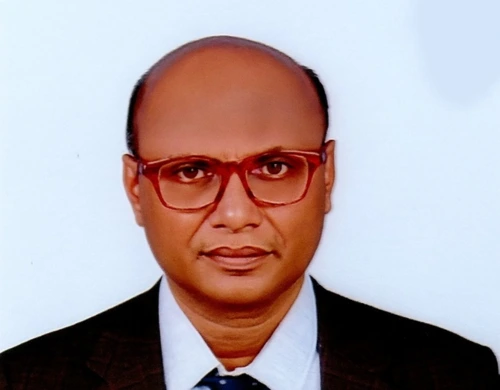
    Interview with Mr.Sabyasachi Behera, Director, Aaditya Kraft & Papers Pvt. Ltd.
    Aaditya Kraft & Papers Pvt. Ltd. provides reliable, high-quality paper for packaging and printing, built on quality, Innovation, and eco-friendly manufacturing. Our products are trusted for strength and performance.

    Paper Desk : What prompted the founding of Aaditya Kraft & Papers Pvt. Ltd. , and what is the core inspiration behind the brand?

    Sabyasachi Behera : Aaditya Kraft & Papers Pvt. Ltd. was founded with a clear purpose, to deliver reliable, high-quality paper solutions that meet the growing needs of packaging and printing industries. The core inspiration behind the brand is our commitment to consistent quality, customer-focused innovation, and environmentally responsible manufacturing. Our journey began with a vision to create a paper brand that customers can trust for strength, performance, and long-term value.

    PD : How did the founders translate their vision into operational reality in the early days?

    SB : In the early days, we translated our vision into reality by focusing on strong fundamentals, investing in the right machinery with continuous improvisation & investment, building a skilled team, and establishing strict quality controls. We worked closely with customers to understand their needs and adapted our production processes accordingly. This practical, hands-on approach helped us build a stable manufacturing foundation and a reputation for reliability in a very short time.

    PD : Can you share a milestone from the early years that solidified the company’s direction and inspiration?

    SB : One key milestone that shaped our direction was when we secured our first major repeat customer within the first few years. Their confidence in our quality and consistency validated our approach and reinforced our commitment to maintaining high standards. It proved that our focus on reliability, customization, and customer trust was the right path, and it became a strong motivation to scale our capabilities further.

    PD : What are the main product lines that Aaditya Kraft & Papers Pvt. Ltd. currently offers, and how have they evolved over time?

    SB : Aaditya Kraft & Papers Pvt. Ltd. currently offers MF Kraft Paper specializing in low GSM, Kraft Boards, PE coated Paper, Grey Boards & Kappa Board, and other customized paper solutions for packaging and printing applications. Over time, our product lines have evolved through continuous upgrades in technology and customer feedback. We have improved GSM stability, surface finish, strength properties, and developed industry-specific grades to meet the growing needs of FMCG, food packaging, and industrial sectors.

    PD : What kinds of raw materials and manufacturing technologies does the company use for its kraft paper and multi-layer board products?

    SB : For our Kraft paper and multi-layer board products, we use high-quality recycled fiber, imported waste paper, and carefully selected additives to ensure superior strength and durability. On the manufacturing side, we rely on advanced pulping systems, refined fiber processing, automated formation controls, efficient drying technologies, and online quality monitoring. This combination of premium raw materials and modern machinery allows us to deliver consistent GSM, excellent burst and tensile strength, and stable reel quality across all our grades.

    PD : What technology upgrades have been implemented recently (e.g., automation, digital monitoring)?

    SB : In recent years, we have implemented several key technology upgrades, including automated process controls, automatic steam control, digital monitoring systems, and real-time quality tracking across the production line. We have enhanced our machine efficiency, moisture control, online GSM monitoring, and energy optimization through modern automation tools. These upgrades have helped us improve consistency, reduce downtime, and deliver far more stable and uniform paper quality to our customers.

    PD : How does Aaditya Kraft & Papers Pvt. Ltd. tailor its product offerings to different end-markets (e.g., packaging, tissue, allied industries)?

    SB : We tailor our products to each end-market by focusing on application-specific performance requirements. For packaging, we prioritize burst strength, tensile properties, and durability along with understanding customer application & utilization. For allied industries, we develop custom GSM, finishes, and moisture profiles based on their operational needs. Our ability to fine-tune fiber mix, machine settings, and quality parameters allows us to deliver paper grades that match the exact expectations of every segment we serve.

    PD : How does the company identify opportunities for innovation in the paper & board sector?

    SB : We identify innovation opportunities by closely tracking market trends, customer feedback, and technological advancements in the global paper & board sector. Our team regularly studies emerging needs in packaging, sustainability, and efficiency.

    We also collaborate with suppliers, industry experts, and end-users to understand performance gaps. This proactive approach helps us introduce improved grades, enhance strength properties, reduce environmental impact, and continuously upgrade our product portfolio.

    PD : What role do strategic partnerships, collaborations or R&D play in staying ahead in the market?

    SB : Strategic partnerships and R&D play a crucial role in helping us stay ahead. By collaborating with technology providers, chemical suppliers, and industry experts, we gain early access to better solutions and process improvements. Our ongoing R&D efforts help us refine fiber mixes, enhance strength properties, and develop customer-specific grades. These collaborations ensure we remain competitive, innovative, and well-prepared to meet the evolving demands of the paper and board market.

    PD : Can you give an example of a recent innovation (product-, process- or business-model-led) that the company has introduced?

    SB : One of our recent innovations has been the development of enhanced high-strength kraft boards with better strength & properties designed specifically for modern packaging demands. By optimizing our fiber blend and upgrading process controls, we achieved better performance parameters as compared to GREY Kappa Boards resulting in better strength, efficiency & quality.burst strength, stretch, and moisture stability without increasing GSM. On the process side, we introduced digital quality monitoring, which has significantly reduced variation and improved reel consistency. This combination of product and process innovation has strengthened our value proposition in competitive markets.

    PD : What has been the strategic roadmap for Aaditya Kraft & Papers Pvt. Ltd. over the last 3 to 5 years?

    SB : Over the last 3 to 5 years, our strategic roadmap has focused on three priorities: capacity optimization, technology modernization, and vertical integration through diversification. We invested in automation, strengthened our quality systems, and introduced high-performance paper & board grades to meet new market demands. At the same time, we expanded our customer base across packaging, board products, and allied industries while reinforcing our commitment to sustainability. This structured roadmap has positioned Aaditya Kraft & Papers Pvt. Ltd. for stable growth and long-term competitiveness.

    PD : How does the company balance cost-efficiency with investment in new capacity or technology?

    SB : We balance cost-efficiency with new investments by following a disciplined, phased approach. Every technology or capacity upgrade is evaluated for its long-term operational savings, quality improvement, and market impact. We prioritize automation and energy-efficient systems that reduce wastage and lower operating costs. By optimizing existing resources and reinvesting our efficiencies back into the business, we ensure that each investment strengthens both our competitiveness and financial stability.

    PD : What have been the major challenges (logistics, raw material costs, regulation, etc.) and how were they tackled?

    SB : The major challenges we faced are fluctuating raw material costs, logistics disruptions, and evolving regulatory requirements. Recently GST changes played a major role in slowing down the customer demands. Regulatory compliances is one of the major challenge for any industry especially pertaining to to water, pollution and factories regulations. Constant changes in regulation results in ineffective utilization of the resources for complying to the needs of the Govt. We tackled our procurement challenges by strengthening our supplier network, improving our inventory planning, and optimizing fiber usage to maintain cost stability. On the logistics side, we adopted better scheduling and closer coordination with transport partners to ensure timely deliveries. For regulatory changes, we upgraded our processes and compliance systems proactively. These measures helped us stay resilient while maintaining consistent quality for our customers.

    PD : What digital or Industry 4.0 technologies (IoT, sensors, analytics) has Aaditya Kraft & Papers Pvt. Ltd. adopted in its manufacturing process?

    SB : Aaditya Kraft & Papers Pvt. Ltd. has actively adopted key Industry 4.0 technologies to enhance process stability and quality. We use IoT-enabled sensors, online GSM and moisture monitoring, and real-time machine analytics to track performance across the production line. Our digital dashboards provide continuous insights into energy usage, consistency levels, and machine efficiency. These technologies help us reduce variation, predict issues earlier, and maintain uniform quality across every batch.

    PD : How is the maintenance of legacy equipment balanced with the introduction of cutting-edge technology?

    SB : We maintain a careful balance by retrofitting legacy equipment with modern controls while introducing new, cutting-edge machines where it adds the most value. Preventive maintenance programs ensure older equipment operates reliably, while selective upgrades and automation enhance efficiency and quality. This approach allows us to leverage existing assets effectively, control costs, and integrate new technology without disrupting production.

    PD : How has technology helped improve yield, reduce waste or enhance sustainability in the paper-production process?

    SB : Technology has significantly improved our yield and sustainability. Automated process controls, digital quality monitoring, and precision moisture management reduce material wastage and rework. Optimized fiber usage and energy-efficient systems lower environmental impact, while real-time analytics help us continuously fine-tune production for maximum efficiency. Together, these measures enhance both operational performance and our commitment to eco-friendly manufacturing.

    PD : What are the key growth targets for Aaditya Kraft & Papers Pvt. Ltd. over the next 5 years (volume, geography, product mix)?

    SB : Over the next 5 years, Aaditya Kraft & Papers Pvt. Ltd. aims to expand production volumes, diversify our product mix, and enter new geographic markets. We plan to increase capacities in high-demand grades like kraft and specialty papers, introduce innovative, eco- friendly products, and strengthen our presence in both domestic and select international markets. Our goal is sustainable growth while maintaining consistent quality and customer trust.

    PD : What macro-trends in the paper & packaging industry (e.g., sustainability, e-commerce packaging, recycling) does Aaditya Kraft see as opportunities?

    SB : We see several macro-trends as major opportunities, including sustainable and recycled paper, e-commerce packaging solutions, and demand for lightweight, high-strength boards. The growing focus on eco-friendly materials and regulatory pressures for recyclable packaging are driving innovation. By aligning our product development with these trends, we can meet evolving customer needs while contributing to a more sustainable industry.

    PD : What risks might hamper future growth (raw material volatility, regulatory changes, competition) and how is the company preparing for them?

    SB : Key risks include raw material price volatility, regulatory changes, and intensified competition. We mitigate these by diversifying our supplier base, maintaining strategic inventory buffers, staying proactive on compliance, and continuously upgrading technology to improve efficiency. Additionally, our focus on innovation and customer-centric solutions helps us remain competitive and resilient against market fluctuations.

    PD : How is the company engaging with the local community around its operations (employment, infrastructure, education)?

    SB : Aaditya Kraft & Papers Pvt. Ltd. is committed to supporting the local community around its operations. We focus on creating employment opportunities, supporting local infrastructure development, and promoting education initiatives. Through skill development programs, partnerships with schools, and community projects, we aim to contribute positively to the social and economic well-being of the region while fostering a strong, mutually supportive relationship with our neighbors.

    PD : Are there certifications or recognitions the company has received in environment or social governance?

    SB : Aaditya Kraft & Papers Pvt. Ltd. has earned certifications and recognitions that reflect our commitment to environmental responsibility and social governance. These include ISO 9001 for quality management, ISO 14001 for environmental management, and other industry-specific compliances. These certifications ensure that our operations meet high standards for sustainability, safety, and ethical practices, reinforcing trust with customers, partners, and the community.

    PD : What further steps does the company intend to take in social responsibility to align with global best-practices?

    SB : Aaditya Kraft & Papers Pvt. Ltd. plans to further strengthen its social responsibility initiatives by enhancing community development programs, supporting sustainable education and skill-building, and adopting global best practices in environmental and social governance. We aim to integrate CSR more deeply into our business strategy, ensuring measurable impact while promoting long-term social and environmental sustainability.

    PD : Has Aaditya Kraft & Papers Pvt. Ltd. been involved in any major partnerships, joint-ventures or alliances recently?

    SB : Yes, Aaditya Kraft & Papers Pvt. Ltd. has actively pursued strategic partnerships and alliances to strengthen technology adoption, expand product offerings, and enhance market reach. While we maintain confidentiality on specific commercial arrangements, these collaborations focus on process improvements, product innovation, and sustainable solutions, allowing us to stay competitive and deliver greater value to our customers.

    PD : What role does digital/online marketing and E-commerce play in the company’s strategy now or in future?

    SB : Digital marketing and e-commerce are becoming increasingly important in our strategy. We use online platforms to reach new customers, showcase our product portfolio, and provide technical support and order facilitation. Looking ahead, we plan to strengthen our digital presence, leverage analytics for market insights, and explore e-commerce channels to make our products more accessible while enhancing customer engagement and convenience.

    PD : If you were to sum up the next major “news-worthy” event for Aaditya Kraft & Papers Pvt. Ltd. in the coming year, what would it be?

    SB : The next major news-worthy event for Aaditya Kraft & Papers Pvt. Ltd. will be the launch of our upgraded high-performance paper grades and capacity expansion initiatives, aimed at meeting growing demand in packaging and specialty segments. This milestone reflects our commitment to innovation, sustainability, and providing enhanced value to customers while strengthening our market position.

  • Nipco Group

    Nipco Group


    Interview with Mr. Ajay Agarwal Managing Director, Nipco Group
    Purbanchal Paper Mill was born from a simple goal to make the North East self-reliant with locally made, sustainable kraft paper.

    Paper Desk : What inspired the founding of Purbanchal Paper Mill LLP and how did the vision for the mill take shape in the North East region of India?

    Ajay Agarwal : The idea of starting Purbanchal Paper Mill came from a very practical observation. During our project study, we found that the North East had a clear gap between demand and supply of kraft paper. Most of the quality paper used here was coming from other parts of India, which made it expensive due to transport and often caused irregular supply to local industries. At the same time, we noticed that waste paper — which is our main raw material — was available locally at a lower cost, and the market price for finished kraft paper was quite reasonable. So economically, the project made good sense. Also, there were a few government and industrial schemes that encouraged local manufacturing, which gave us more confidence. Since we are already into manufacturing through Nipco Group, we wanted to extend that experience into something sustainable and eco-friendly. That’s how the vision of Purbanchal Paper Mill took shape — to make the North East more self-reliant, create local employment, and produce quality kraft paper within the region itself.

    PD : What core values or guiding principles have driven Purbanchal Paper Mill toward excellence in kraft paper manufacturing?

    AA : What really drives us at Purbanchal Paper Mill are a few simple but strong principles — good management, quality, sustainability, and teamwork.

    Our Daily operation Managing Team — myself, Ajay Agarwal, along with Mr. Bikash Agarwal and Mr. Shyam Patwari — are all qualified engineers with over 10 years of experience. From the beginning, we’ve focused on quality over short-term profit. We believe that consistent quality builds long-term customers, so we’ve invested in good machinery, skilled manpower, and strict process control.

    The next important value is sustainability. Since we use waste paper as raw material, we ensure our operations are eco-friendly — recycling, reusing, and minimizing waste wherever possible. We also believe in continuous improvement, upgrading our process and technology to meet new market demands — like better GSM strength, finish, and cost efficiency. Lastly, teamwork and community growth are very close to us. We encourage a culture where everyone works together toward one goal and also focus on creating local jobs and skill development. These values have helped us steadily build a strong reputation for quality kraft paper in the North East region.

    PD : Can you share major milestones achieved by the company since its inception (e.g., capacity milestones, commissioning dates)? For instance, PPM claims a capacity of 53,000 tons/year?

    AA : The journey of Purbanchal Paper Mill has been quite interesting. We started planning around 2020, and even during the COVID period, we stayed focused and kept the project moving. Trial production began in late 2022, and by early 2023, we achieved full commercial operations.

    Our installed capacity is about 150 tons per day, which is roughly 53,000 tons per year. Over time, we’ve upgraded our plant with Double Wire technology, a pressurized head box, and automation systems, along with better stock preparation and drying sections — all to improve strength, GSM consistency, and overall quality.

    We started with the Assam market and now supply to West Bengal, Bihar, and even Delhi-NCR. Our next goals are to improve energy efficiency, water recycling, and explore export opportunities. Overall, we’ve achieved strong growth in both capacity and quality within a short time, and that gives us good confidence for our next expansion phase.

    PD : What are the key product offerings of Purbanchal Paper Mill (e.g., multilayered kraft paper, both medium and liner) and what applications do they serve?

    AA : We mainly manufacture multilayered kraft paper, both medium and liner grades, ranging from 90 GSM to 300 GSM. Our papers are used for corrugated boxes, carton packaging, wrapping, and other industrial uses. We focus on strength, uniform finish, and better runnability for automatic corrugation plants. So our kraft papers are preferred by corrugated box manufacturers, FMCG packaging units, and logistics suppliers.

    PD : How does the company ensure product quality, for example uniform grammage, moisture control, surface finish, glue absorption?

    AA : We maintain product quality through strict process control and automation. Our plant is equipped with online monitoring systems for grammage and moisture control. We use a pressurized head box and Double Wire technology, which ensure uniform GSM and surface smoothness. The drying and sizing sections are optimized for controlled moisture and good glue absorption, making our paper perform well in corrugation.

    Additionally, our quality team regularly checks samples for burst factor, ring crush strength, and Cobb value to ensure consistency in every roll.

    PD : What technological investments or upgrades have you implemented to give Purbanchal Paper Mill a competitive edge in paper production?

    AA : We’ve invested in modern technologies to stay ahead in quality and efficiency. Our key upgrades include a Double Wire Paper Machine for better strength and smoothness, a Pressurized Head Box for accurate GSM control, and automation in stock preparation and chemical dosing for consistent pulp quality.

    We also use energy-efficient boilers and water recycling systems to reduce costs and support sustainability. Now, we’re planning a production expansion and a captive power plant to ensure reliable power and higher output.

    PD : Who are your primary customers and target markets (domestic, regional, export)? For example, you are located near borders of Bhutan, Bangladesh and the upcoming logistics hub in Assam.?

    AA : Our main customers are corrugated box manufacturers and packaging units in the Entire North East, West Bengal, and Bihar. We’ve also started supplying to North Delhi. Being close to Bangladesh, Bhutan, and the upcoming logistics hub in Assam, we’re well-positioned for future export opportunities.

    PD : How does Purbanchal Paper Mill stay ahead of market trends in packaging, sustainability, and corrugated box demands?

    AA : We stay updated through customer feedback, regular market studies, and visits to corrugation and packaging units. Our focus is on stronger, eco-friendly kraft paper with better runnability for automatic plants. We also keep improving process efficiency and align our product with sustainability trends in the packaging industry.

    PD : What innovations (product, process, technology) has the company recently introduced or is planning to introduce to meet evolving demands in kraft and packaging paper?

    AA : We’ve already adopted Double Wire technology, a pressurized head box, and automation for quality improvement.

    Next, we’re planning to produce high BF multilayer kraft paper to meet the growing need for durable corrugated boxes. We’re also exploring digital monitoring and data-based process control for better consistency.

    PD : What is your strategy for supply chain and raw-material sourcing (given you’re in Assam/North East) to manage costs, logistics and ensure smooth operations?

    AA : Our main raw material, waste paper, is sourced from local collection centers and nearby states to keep logistics economical. For chemicals and starch, we work with reliable regional suppliers to ensure uninterrupted production. We maintain optimum stock levels to avoid shutdowns due to transport delays.

    PD : How do you position Purbanchal Paper Mill in the marketplace, both in the North East region and broader India (and perhaps export)? What are your competitive strengths and challenges?

    AA : We position Purbanchal Paper Mill as a quality-focused kraft paper manufacturer from the North East, backed by modern technology and reliable supply.

    Our main strengths are consistent quality, strategic location, and professional management. The key challenges we face include high transport costs, limited availability of waste paper, and a drop in kraft paper demand due to the rise of new mills in the region.

    There’s also a shortage of skilled local manpower, but we manage this through in-house training, better planning, and efficient logistics management.

    PD : The company mentions “optimal capacity utilisation” and “smart cost control initiatives”. Could you elaborate on some of these initiatives and how they have impacted operational performance?

    AA : We maintain steady machine uptime, proper maintenance, and balanced order scheduling to achieve optimal capacity utilization. For cost control, we focus on energy saving, reduced wastage, and efficient chemical dosing. These steps have improved our production efficiency and reduced per-ton cost, making us more competitive.

    PD : What advanced technologies have you implemented for monitoring paper parameters (moisture, GSM, BF/RCT, surface finish) and how do they improve production outcomes?

    AA : We use online sensors and automation systems for monitoring moisture, GSM, and BF/RCT during production. The Double Wire and Pressurized Head Box help maintain surface finish and uniform grammage. These technologies have improved quality consistency and reduced rejection rates.

    PD : Are there plans to adopt or develop further technologies (capturing higher BF papers, multilayer kraft, automation, Industry 4.0) for future competitiveness?

    AA : Yes, we plan to produce high BF multilayer kraft papers and adopt Industry 4.0 systems — such as digital data logging and automated quality control. We’re also exploring AI-based energy monitoring to further improve efficiency.

    PD : What technical challenges have you encountered in producing high-strength kraft paper (for example for corrugated board) and how were they solved?

    AA : Initially, we faced issues in GSM variation and burst factor stability. We solved these through better fiber mixing ratios, improved refining, and controlled drying. Continuous monitoring and operator training helped achieve stable high-strength kraft quality.

    PD : Where do you see Purbanchal Paper Mill in the next 5 years in terms of product expansion, capacity growth or new market entry? (For example, mention was made of Phase-2 expansion earlier)?

    AA : In the next five years, we aim to double our production capacity and start Phase-2 expansion with a captive power plant for energy stability. We also plan to enter export markets in nearby countries through the new logistics corridor.

    PD : Are there plans to diversify into downstream markets (e.g., value-added packaging papers, coated kraft, speciality grades) or to integrate further along the value chain?

    AA : Yes, we plan to diversify into value-added packaging grades, such as coated kraft, high BF paper, and specialty liner papers. We’re also studying possibilities for corrugated sheet or box units for integrated growth.

    PD : How will sustainability and eco-friendly initiatives play a role in shaping future growth (e.g., recycled fibre use, certifications, reducing carbon footprint)?

    AA : Sustainability is central to our growth plan. We use 100% recycled fiber, have water recovery systems, and are working towards zero liquid discharge. Our future goal is to obtain environmental certifications and continue reducing our carbon footprint through energy-efficient operations.

    PD : How does the company ensure worker safety, training (the site mentions staff training) and local community engagement in its operations?

    AA : We follow strict safety SOPs, conduct regular training on machine handling and emergency response, and provide proper PPE kits. We also hire locally and support skill development programs for youth around Goalpara Districts of Assam.

    PD : What environmental measures has Purbanchal Paper Mill implemented (e.g., efficient use of raw materials, water, emissions control) given the manufacturing setting in Assam

    AA : We focus on efficient use of raw materials, waste recycling, and water treatment systems to reduce environmental impact.

  • Chembulls India LLP

    Chembulls India LLP

    Interview with Mr. Ajay Patel, Director, Chembulls India LLP. 
    Chembulls grew by meeting a clear demand: advanced chemicals that deliver performance, reliability, and real value across paper, pulp, and water-treatment sectors.

    Paper Desk : What inspired the founding of Chembulls India LLP back in 2021?

    Ajay Patel : Chembulls India LLP was founded in 2021 to provide high-quality, innovative chemical solutions for the paper, pulp, and water-treatment industries, with a focus on efficiency, reliability, and sustainability.

    PD : What was the founding vision or mission that the co-founders had in mind for Chembulls India?

    AJ: The founding vision of Chembulls India was to be a trusted leader in specialty chemicals by delivering innovative, high-quality, and sustainable solutions that meet the evolving needs of the paper, pulp, and water-treatment industries.

    PD : Why did the founders choose to focus on sizing agents, coating chemicals, and water-treatment / industrial chemicals rather than some other sector?

    AJ: The founders identified a growing demand for reliable, high-performance chemicals in the paper, pulp, and water-treatment sectors. By focusing on sizing agents, coating chemicals, and industrial solutions, Chembulls could address critical industry needs while leveraging technical expertise to deliver value and innovation.

    PD : What are the core products that Chembulls India currently manufactures and supplies?

    AJ : Chembulls India specializes in manufacturing and supplying a range of specialty chemicals, including sizing agents, coating chemicals, strength additives, cleaners, de‑foamers, biocides, and water‑treatment solutions for the paper, pulp, and industrial sectors.

    PD : What kind of technology or chemical formulation expertise does Chembulls use to differentiate its products from competitors?

    AJ : Chembulls leverages advanced chemical formulation expertise and modern manufacturing technologies to deliver high-performance, customized solutions. Our focus on innovation, quality control, and sustainability helps us differentiate our products and consistently meet diverse client requirements.

    PD : How does Chembulls adapt its product line to different pulp, paper grades, or water-treatment requirements?

    AJ : Chembulls adapts its products by closely understanding each client’s processes and requirements. Through customized formulations and flexible solutions, we ensure optimal performance across different pulp types, paper grades, and water-treatment systems.

    PD : Does the company have in-house R&D or rely on external labs/partners for product development and improvement?

    AJ : Chembulls has a dedicated in-house R&D team that focuses on developing and improving formulations. While we primarily rely on our internal expertise, we also collaborate with select partners to stay at the forefront of technology and innovation.

    PD : What innovations have Chembulls introduced recently in products or formulation to stay competitive?

    AJ: Recently, Chembulls has introduced advanced eco-friendly formulations and high-performance specialty chemicals that enhance paper quality, efficiency, and sustainability. These innovations help our clients optimize processes while meeting evolving industry standards.

    PD : How does the company handle customization or specialized chemical solutions for diverse clients?

    AJ : Chembulls works closely with each client to understand their specific requirements and challenges. Our team develops tailored formulations and flexible solutions to ensure optimal performance for diverse processes and applications.

    PD : Which markets (domestic, export) does Chembulls primarily serve, and which sectors?

    AJ : Chembulls serves both domestic and international markets, catering primarily to the paper, pulp, packaging, and water-treatment industries. We focus on delivering specialized chemical solutions that meet the needs of diverse industrial clients globally.

    PD : How does the company balance between customized solutions vs. standard product offerings?

    AJ : Chembulls maintains a core range of high-quality standard products while offering customized solutions for clients with specific process requirements. This balance allows us to provide reliable, off-the-shelf options without compromising flexibility and tailored performance.

    PD : What has been the learning curve for Chembulls in terms of operations, compliance, supply-chain, and customer expectations over the years?

    AJ : Since its inception, Chembulls has continuously learned to streamline operations, strengthen compliance, and optimize the supply chain. Understanding and adapting to evolving customer expectations has been key to delivering reliable, high-quality solutions and building long-term trust.

    PD : Does Chembulls collaborate with academic institutions or research labs for innovation in chemical formulations or water-treatment tech?

    AJ: Chembulls actively collaborates with select research labs and academic institutions to advance innovation in chemical formulations and water-treatment technologies. These partnerships help us stay at the forefront of industry developments and deliver cutting-edge solutions.

    PD : Has Chembulls invested in any new manufacturing technologies or process improvements recently?

    AJ : Yes, Chembulls has recently invested in advanced manufacturing technologies and process optimization measures. These improvements enhance product quality, efficiency, and consistency, allowing us to better serve our clients and maintain a competitive edge.

    PD : How does Chembulls see itself contributing to sustainable practices and industry standards while expanding?

    AJ : Chembulls is committed to sustainability by developing eco-friendly formulations, promoting efficient resource use, and ensuring compliance with industry standards. As we grow, we aim to support clients in achieving sustainable operations while maintaining high-quality chemical solutions.

    PD : What are the short-term and long-term growth plans of Chembulls India, new product lines, market expansion, capacity enhancement, exports, etc.?

    AJ: In the short term, Chembulls aims to expand its product portfolio, enhance production capacity, and strengthen its domestic and export presence. Long-term, we plan to enter new markets, introduce innovative specialty chemicals, and build sustainable, global partnerships to drive growth and industry leadership.

    PD : How does the company intend to stay ahead of potential competition or market shifts?

    AJ : Chembulls stays ahead by focusing on continuous innovation, understanding market trends, and offering customized, high-quality solutions. We invest in R&D, strengthen client relationships, and maintain operational excellence to adapt quickly to industry changes and competition.

    PD : How does Chembulls ensure safety standards for workers handling chemicals, training, PPE, protocols?

    AJ : Chembulls prioritizes worker safety through rigorous training, strict adherence to safety protocols, and the use of appropriate personal protective equipment (PPE). Regular audits and monitoring ensure a safe working environment across all operations.

    PD : Does Chembulls aim to adopt “green chemistry” principles or eco-friendly chemical formulations in future product development?

    AJ : Yes, Chembulls is committed to adopting green chemistry principles and developing eco-friendly formulations. Our goal is to minimize environmental impact while delivering high-performance solutions to our clients.

    PD : What measures does Chembulls take to ensure its manufacturing processes are environmentally responsible?

    AJ : Chembulls ensures environmentally responsible manufacturing by implementing efficient waste management, optimizing resource use, and complying with all environmental regulations. We continually work to reduce emissions and adopt sustainable practices across our operations.

    PD : How has the customer/industry feedback influenced changes in Chembulls’ offerings or strategy lately?

    AJ : Customer and industry feedback plays a key role in shaping Chembulls’ offerings. We use it to refine formulations, enhance product performance, and develop solutions that better meet client needs, ensuring our strategy remains aligned with market demands.

  • Cheema Papers Ltd

    Cheema Papers Ltd

    Interview with Ms.Anmol Gill Cheema, Director, Cheema Papers Ltd.
    Since 1989, Cheema Papers has pioneered recycled paper manufacturing—blending quality, sustainability, and technology to drive progress with a lighter environmental footprint.

    Paper Desk : What inspired the founding of Cheema Papers Ltd, and how has that founding vision changed over time?

    Anmol Gill Cheema : Our story began in 1989, right at the genesis of India’s organized paper industry. Cheema Papers Ltd was founded with a dual purpose: to pursue a long-held family ambition of growing into the manufacturing sector, and more importantly, to contribute to the nation’s progress through sustainable means. From day one, our core vision has been centred on pioneering recycled paper manufacturing. While our commitment to quality and sustainability is unwavering, we’ve consistently evolved by integrating modern process automation and advanced technology to not just boost efficiency, but to continually minimize our environmental footprint.

    PD : What core values or guiding principles have steered Cheema Papers through its history?

    AGC : For Cheema Papers Limited, our success is rooted in a straightforward, consistent approach: Integrity and honesty govern our internal dealings, ensuring ethical practices are non-negotiable. This moral compass directly supports our dual commitment to the customer and the planet. Our fierce custom of focus and loyalty to our clients guarantees we deliver exceptional quality.

    At the same time, sustainability and innovation aren’t just buzzwords; they are the driving principles that compel us to adopt long-term environmental responsibility in every sheet of paper we produce. These values aren’t separate; they are a holistic guide for every decision we make.

    PD : Can you highlight major milestones in Cheema Papers’ growth, especially in challenging periods?

    AGC : Our journey has been marked by significant milestones, driven by a commitment to constant improvement. We’ve not only substantially increased our production capacity but have continually invested in energy-efficient technologies to future-proof our operations. Critically, we’ve broadened our portfolio, launching new, high-quality product lines specifically tailored to meet our valued customers’ evolving needs. What truly sets us apart is our resilience. Through challenging periods—whether it was market fluctuations or volatile raw material costs—our core strength lay in our teamwork and innovation. That dedication didn’t just stabilize us; it powered our steady growth and solidified our strong market position.

    PD : What are the primary product lines at Cheema Papers (e.g. writing paper, printing paper, craft paper), and what distinguishes each?

    AGC : Our entire manufacturing focus is dedicated to the packaging industry, and our core mission is simple: providing the foundational materials that guarantee product safety. Our duplex paperboard is known for its board across the industry strength and premium surface qualities—its exceptional smoothness, shine, and reflective nature make it the preferred canvas for printing units that require flawless graphic reproduction.

    We offer this versatile board across a wide range of GSM options for various carton and folding box applications. In contrast, our high BF Kraft paper is specifically engineered for maximum strength, valued for its superior bursting factor(BF) to create dependable, robust packaging that withstands demanding logistics. Crucially, every single product line, from the glossy duplex board to the high bf Kraft, is underpinned by strict quality control and a constant, unwavering adherence to sustainable manufacturing practices.

    PD : How does Cheema Papers maintain quality and consistency across its paper products?

    AGC : For us, quality is a disciplined science. We ensure absolute consistency through a combination of advanced manufacturing technology and a regimen of rigorous, continuous process monitoring. Every single batch passes through strict quality checks, beginning with the selection of raw materials and culminating in the final product inspection. This ensures our customers can always rely on the high standard of Cheema Papers. This dedication is matched by our people: our staff is expertly trained to uphold paper product.

    PD : What technology or processes do you use in coating, finishing, or paper treatment to improve product performance?

    AGC : In recent years, we’ve made significant technological investments across our operations to enhance both product performance and sustainability. Our facility now features a state-of-the-art pulp mill and some of the most advanced coating technologies available in the market. We’ve also upgraded our calendaring systems to achieve superior surface smoothness and gloss control, ensuring consistent quality across every batch. On the finishing side, we’ve introduced high-end zero-trim sheeters that deliver precise cut sizes and minimize waste, along with advanced shrink-packaging systems that improve handling and protection. In parallel, we’ve strengthened our environmental commitment by upgrading our effluent treatment plant (ETP) for more efficient water treatment and reduced environmental footprint. Altogether, these technological advancements have allowed us to deliver better-performing papers with higher consistency, reduced variability, and improved sustainability.

    PD : How do you innovate in raw material selection (pulp, recycled fiber, additives) to achieve cost & quality balance?

    AGC : In today’s highly volatile market, managing both cost and quality is paramount. Our strategy is built on intelligent sourcing: we strategically procure premium raw materials—including high-quality pulp, recycled fibre, and eco-friendly additives—to strike the perfect balance between superior product performance and efficient production cost. Innovation for us is centred on the continuous process of optimization. This means we are constantly testing alternative materials, refining our pulp blends, and leveraging sustainable sources. This proactive approach allows us to effectively mitigate price fluctuations and keep our production costs stable without ever compromising the quality our customers demand. Ultimately, our goal is to deliver the absolute best finished material. We manage this delicate balance by meticulously tracking market volatility while ensuring our solutions remain economical for the broader packaging industry, proving that high quality and cost-efficiency can go hand-in-hand.

    PD : How does Cheema Papers monitor market trends (e.g. digital media, sustainability) to guide product development?

    AGC : Our competitive edge stems from a commitment to proactive market sensing. We don’t wait for trends to hit us; we closely monitor market dynamics, including the global shift towards sustainable packaging, the rise of digital media, and rapidly evolving customer needs. Our market intelligence is gathered through multiple crucial channels: analysing comprehensive industry reports, attending key trade shows, and maintaining a direct feedback loop with our client base, which is our paramount source of information. We also embrace the digital sphere, actively leveraging platforms like LinkedIn to gain real-time insight into competitor strategies and global industry norms. These rich, continuous insights are what fuel our business. They guide our product development process, allowing us to innovate responsibly and consistently stay ahead in this highly competitive market.

    PD : What recent innovations (new grades of paper, eco-friendly lines, and specialty papers) have you introduced?

    AGC : Right from our inception, Cheema Papers Limited has been defined by eco-conscious innovation. We didn’t just start with paper; we immediately introduced eco-friendly lines made from recycled fibers. This commitment to specialty and quality has only deepened. Recently, we’ve expanded to meet critical market needs, notably by adding High BF MG Kraft paper suitable for the demanding food-grade packaging industry. On the duplex board side, our range spans the full spectrum—from lower to higher GSM options—ensuring we can precisely match any client requirement for quality and thickness. But our true focus remains on performance: we engineer our duplex paper for optimal stiffness, smoothness, and surface quality, providing printers with a truly superior canvas.

    PD : How does Cheema Papers manage its supply chain (for pulp, chemicals, energy) to mitigate risks?

    AGC : To guarantee consistent quality, we have built a strategic sourcing advantage. Our expert procurement team maintains strong relationships with reliable suppliers while continually diversifying our channels for critical resources like pulp, chemicals, and energy. This level of foresight is essential. By constantly monitoring inventory and implementing proactive risk mitigation plans, we ensure our production runs without interruption, allowing us to deliver reliable, high-standard products to our customers regardless of market volatility.

    PD : What strategies do you use to expand your presence in domestic vs export markets?

    AGC : Domestically, our strategy isn’t just about transactions—it’s about legacy and partnership. We dedicate ourselves to strengthening relationships with our distributors and dealers, ensuring a consistent supply of our paper while offering customized solutions for local demands. What truly sets us apart is the depth of our commitment: our dealer network isn’t just strong; it’s generational. Just as our company is transitioning to its next era of leadership, our dealers are seeing their businesses change hands from father to son. This shared history, spanning over 35 years, has built a powerful, unbreakable bond of hard work and commitment, ensuring we consistently deliver quality products to our loyal customers.

    PD : How do you compete on cost, quality, and service against other paper manufacturers in India and abroad?

    AGC : The paper industry is currently navigating a period of significant volatility, driven by both erratic raw material costs and shifting global market demands. This makes maintaining our price points a major strategic priority. Our goal is to perform a precise balancing act—meticulously managing our manufacturing costs while ensuring our end product remains highly competitive in both quality and price. For us, this isn’t just about survival. We are intensely focused on providing our customers with the exact product specifications they need, consistently and at a price that works for their business.”

    PD : What role do automation and process control (e.g. in pulp refining, paper machines) play in your operations?

    AGC : We firmly believe that automation is the inescapable present and future of our industry. Our approach isn’t about massive overnight change; it’s about strategic, continuous integration. We apply technology at every possible point, from the initial gate entry of raw material to the final dispatch of the finished product, always scaling to match our financial capacity and machinery configuration. This pervasive application of technology is the engine behind our consistent, reliable product quality. By implementing these digital and automated systems, we optimize energy and resource use, drastically reduce waste, and improve overall operational efficiency, allowing us to reliably meet the highest production standards.”

    PD : What technical challenges have you faced (e.g. maintaining brightness, durability, moisture resistance) and how were they solved?

    AGC : The paper industry remains inherently labour-intensive, especially for an operation of our size within the SME category. We recognize that where there is significant human involvement, there is always the possibility of human error, and we train our staff with that understanding. Compounding this challenge are the severe environmental factors unique to our region—fluctuations in weather, dust, and moisture levels make maintaining a consistent product quality throughout the year an intricate battle. To counter these variables, we rely on continuous research and development and rigorous testing. We invest heavily in advanced coating techniques and precise process controls to consistently manage the technical challenges of achieving uniform brightness, durability, and moisture resistance. This commitment to technical mastery is what allows us to consistently overcome daily obstacles while reliably delivering the high quality our customers expect.

    PD : Where do you see Cheema Papers in 5–10 years, new product lines, capacity expansion, and new geographies?

    AGC : I’m going to reframe this question and let’s say “where do you see paper industry in the next 5 to 10 years?” When we look at the paper industry over the next five to ten years, we see an undeniable trend toward consolidation, with larger industrial giants increasingly dominating the landscape. This creates an extremely difficult operational environment for small and medium-sized units. These are challenging times where the paper segment must act with a sense of collective responsibility. For the industry to successfully navigate this volatile market, it is vital that we, as competitors, prioritize cohesion and strategic collaboration. Our success should not come at the cost of others. If we fail to unite and leverage our shared strengths, we risk witnessing the unfortunate exit of many valued peers from the market—a loss that weakens the entire domestic industry structure.

    PD : How will sustainability (e.g. use of recycled materials, lower emissions) factor into your growth trajectory?

    AGC : It is an unfortunate truth that we are living in a time of planetary distress. For Cheema Papers, this means sustainability is no longer an option—it is a collective imperative. Our mission is to make our unit holistically sustainable to protect the environment before it’s too late. This commitment spans every single process: from responsibly sourcing raw materials and guaranteeing the correct disposal of waste through advanced treatment plants, to pioneering the use of eco-friendly products. We are continually focused on innovating our processes to reduce our environmental footprint and ensure we are part of the solution for a greener planet.

    PD : What steps does Cheema Papers take to reduce its environmental impact (water use, emissions, waste)?

    AGC : At Cheema Papers, our environmental responsibility is woven into our daily operations as we concentrate our efforts to drastically reduce our carbon footprint across the entire manufacturing lifecycle. This commitment begins with prioritizing sustainable and recycled raw material sourcing and extends to the proper disposal of all manufacturing waste. We are intensely focused on water stewardship, utilizing highly efficient technology in our treatment plant to ensure daily consumption is reduced and strictly monitored. Crucially, we practice resource circularity by utilizing treated backwater for necessary cleaning processes, and we actively engage in rainwater harvesting. Furthermore, our environmental commitment extends to our people: our staff is rigorously trained to maintain impeccable cleanliness and strictly adhere to a no-plastic policy across our entire campus. All of these actions, collectively, demonstrate our dedicated effort to care for our environment and give back in the best ways possible.

  • VISHWAKSEN ENGINEERING AGENCY

    VISHWAKSEN ENGINEERING AGENCY

    Interview with Mr. Phani V Kumar, Proprietor, Vishwaksen Engineering Agency
    Since 2020, Vishwaksen Engineering Agency delivers safe, sustainable sealing solutions built on reliability and efficiency.

    Paper Desk : Can you share the founding story of Vishwaksen Engineering Agency and what inspired you to enter the engineering consumables and thermal insulation sector?

    Phani V Kumar : Absolutely, I’d be glad to share the story behind Vishwaksen Engineering Agency and my journey into the engineering consumables and thermal insulation sector, Vishwaksen Engineering Agency was founded in 2020 with a clear mission to provide high-quality sealing solutions. The idea for Vishwaksen Engineering Agency emerged from a gap I identified in the market during my previous role as a senior manager in a manufacturing firm. I noticed that many companies were still heavily reliant on asbestos-based materials, despite the growing awareness of their health risks. This realization sparked my passion to create safer and more efficient alternatives. We wanted to build a brand that stands for reliability, safety, sustainability, and efficiency. My goal was to establish a company that not only provided highquality sealing solutions but also prioritized environmental sustainability and worker safety. I wanted to develop a range of nonasbestos products that could meet the rigorous demands of various industries, including pulp and paper , Steel and power generation, and chemical processing.

    PD : What core values have guided VEA since its inception in 2020?

    PVK : Our core values are quality, integrity, innovation, and customercentricity . We strongly believe in delivering safe, sustainable, and effective solutions that create longterm trust. These principles guide our decision-making and keep us focused on consistent excellence. Recognizing the potential impact of effective fluid sealing management, Proper fluid sealing techniques are essential for preventing leaks, contamination and other unwanted outcomes. I set out to establish a company that could provide innovative and reliable engineering solutions . My goal was to not only fill this gap in the market but also to reduce the seal water consumption and energy usage while providing reliable sealing of pulp and paper equipment.

    PD : Was there a breakthrough moment or milestone in your early journey that significantly shaped your growth?

    PVK : Yes, one of our early breakthroughs was launching the MRO-MASTER® brand, which quickly gained recognition for reliability. Securing key clients across multiple industries established our credibility. This milestone gave us the confidence to scale operations and invest further in R&D. Within a few years, Vishwaksen Engineering Agency became a recognized name in the industry, known for its commitment to quality and innovation. We successfully helped several industrial clients reduce their energy costs significantly through our innovative solutions. This not only solidified our market position but also fueled my passion for driving sustainability in engineering practices. 

    I’m incredibly proud of what we’ve achieved and am excited about the future of the engineering consumables sector. I believe my experience aligns well with the role I’m applying for, and I look forward to bringing my expertise and enthusiasm to new challenges.

    PD : Could you describe your flagship products—such as non asbestos gland packings, spiral wound gaskets, and thermal insulation materials—and what sets them apart in the market?

    PVK : Certainly! In my role as Proprietor, I’ve had the opportunity to develop and oversee a range of flagship products, including nonasbestos gland packings and gaskets, antimony carbon seals, and advanced thermal insulation materials.

    In my previous position, we faced increased market demand for safer and more efficient sealing solutions, particularly in industries like energy and manufacturing, where traditional asbestos materials were being phased out.

    Our goal was to innovate and introduce a line of non-asbestos gland packings and gaskets that not only met regulatory standards but also exceeded customer expectations in performance and durability. I led a cross-functional team to research and source high-quality composite materials that would provide superior resistance to heat and chemical exposure. We conducted extensive testing to ensure our products maintained integrity under varying operating conditions. Additionally, I spearheaded a marketing campaign that highlighted these products’ safety and efficiency, targeting key sectors such as Pulp & Paper, Steel and power, Chemical and Fertilizers etc.

    As a result, our non-asbestos gland packings and gaskets gained significant market traction, ultimately increasing sales by 35% over two years. Similarly, our antimony carbon seals were developed to withstand extreme pressures and temperatures, which positioned us as leaders in that niche. Our thermal insulation materials have also been recognized for their lightweight properties and superior thermal efficiency, setting us apart from competitors.

    What sets our products apart is not just their compliance with safety standards but also their reliability and performance in demanding environments. This commitment to innovation and quality has earned us long-term partnerships with several flag ship companies, and I’m excited about the potential to further expand our product offerings in the future.

    PD : How do you approach R&D when developing new sealing solutions under your MRO-MASTER® brand?

    PVK : In my role as Proprietor at MRO-MASTER®, I prioritize a systematic approach to R&D that emphasizes both innovation and practical application. One recent situation that illustrates this involved the development of a new hightemperature sealing solution for industrial applications.

    We recognized a gap in the market for sealing solutions that could withstand extreme temperatures while maintaining integrity under pressure.

    My task was to lead the R&D team in creating a product that not only met these technical specifications but also aligned with our brand’s commitment to reliability and performance.

    I initiated a multi-phase research process, starting with a comprehensive analysis of existing materials and technology. We collaborated with material scientists to explore advanced polymers and composites. Additionally, I established partnerships with key clients to understand their pain points and gathered feedback on prototypes through iterative testing.

    As a result, we successfully launched the MRO-MASTER®XLR ,CG-2CS, 555,PG2-N5Z variants ,they exceeded our initial performance criteria. They gained significant traction in the industry, leading to a 30% increase in sales within the first year and positive testimonials from major clients. This success not only reinforced our brand’s reputation for innovation but also demonstrated our commitment to addressing realworld challenges in mechanical Fluid sealing. This experience reflects my approach—leveraging cross-functional collaboration, client insights, and rigorous testing to drive R&D that results in market-leading solutions.

    PD : How do you drive product innovation to meet evolving demands across MRO, thermal insulation, and industrial spares sectors?

    PVK : We stay closely connected with customers, understanding their operational challenges in real time. Our innovation strategy focuses on designing materials that improve safety, efficiency, and lifecycle performance. Regular feedback loops and industry research fuel our product upgrades.

    PD : Which customer segments or industries have shown the strongest demand for your offerings?

    PVK : We see the strongest demand from integrated pulp and paper ,Kraft paper, power plants, cement industries, steel manufacturers, and chemc. These sectors require reliable sealing and insulation products to maintain continuous operations. Our solutions help them achieve cost savings and regulatory compliance.

    PD : Have you established any strategic partnerships or technical collaborations to enhance innovation?

    PVK : Yes, we collaborate with material suppliers and technical consultants to continuously refine our products. These partnerships allow us to integrate advanced technologies quickly and deliver customized solutions. It’s a key driver of our innovation pipeline.

    PD : What is VEA’s current business strategy to strengthen its presence in India’s engineering and maintenance sectors?

    PVK : To strengthen VEA’s presence in India’s engineering and maintenance sectors, I believe the current business strategy focuses on three key pillars: localization, strategic partnerships, and technological innovation. My task was to develop a comprehensive approach to penetrate new markets while ensuring our offerings met local needs and standards. As a result of these efforts, we experienced a 40% increase in our client base within two years and significantly improved our brand recognition in the region. I believe that by focusing on these areas, VEA can effectively strengthen its foothold in India’s engineering and maintenance sectors, driving both growth and innovation.

    PD : What operational challenges have you faced in scaling production, and how are you addressing them?

    PVK : Initially, scaling production while maintaining quality was challenging. We addressed this by investing in advanced machinery, skilled manpower, and robust quality systems. Today, efficiency and consistency are our strongest assets.

    PD : Can you share a key success story where a strategic decision led to exponential growth or customer value?

    PVK : Certainly! One of my key success stories in the fluid sealing market occurred during a period of significant market disruption. As the proprietor of my company, we faced fierce competition, particularly from low-cost manufacturers. This situation threatened our market share and customer loyalty, as many of our clients were drawn to cheaper alternatives. My goal was to differentiate our offerings and enhance customer value while ensuring sustainable growth. I recognized that we needed to pivot our strategy from just selling products to providing comprehensive sealing solutions tailored to our clients’ specific needs. I initiated a strategic decision to invest in advanced materials research and development. This involved collaborating with engineering teams to innovate sealing solutions that catered to emerging industry demands, such as enhanced durability and chemical resistance. Additionally, I led the launch of a consultative sales approach that emphasized understanding customer applications, allowing us to position ourselves as trusted advisors rather than just suppliers.

    The outcome was remarkable. Within 18 months, our sales grew by over 40%, and we significantly increased our market share. Moreover, customer satisfaction scores improved dramatically, leading to long-term contracts with several key clients who recognized the value we brought beyond just product offerings. This experience not only reinforced my belief in the importance of strategic innovation but also highlighted how a customercentric approach can drive exponential growth in a competitive landscape.

    PD : How do you see technological trends—such as advanced materials or enhanced thermal efficiency— shaping India’s insulation and sealing industry?

    PVK : My goal was to explore innovative materials that could improve our sealing products while maintaining cost-effectiveness. This experience taught me the critical importance of staying ahead of technological trends. We believe this will redefine industry standards in India and create opportunities for innovative players like us. Looking ahead, I believe that as more companies adopt advanced materials and smart technologies, we’ll see a shift towards more sustainable practices and enhanced efficiency in sealing applications. My commitment is to lead our company in embracing these innovations, ensuring we not only meet market demands but also set new standards in quality and performance.

    PD : What are your growth projections for VEA over the next 5– 10 years?

    PVK : We are targeting double-digit www.paperdesk.in Interview 53 I PAPER DESK I Aug-Sep ‘2025 growth annually, with a vision to become a market leader in sealing and insulation solutions. Over the next decade, we plan to expand across India and strengthen our international footprint.

    PD : Are you planning to expand into new product areas or enter international markets in the near future?

    PVK : Yes, we are actively exploring new product lines in fluid sealing products and eco-friendly industrial consumables. At the same time, we are preparing to enter select international markets where demand for sustainable solutions is growing

    PD : How does VEA integrate environmental and safety considerations into its manufacturing processes, especially considering the use of non-asbestos materials?

    PVK : We made a conscious decision to completely eliminate asbestos from our products. Our processes are designed with strict environmental standards, ensuring worker safety and eco-friendliness. Sustainability is embedded in every step of our production

    PD : Do you have community engagement or social initiatives—such as training, local employment, or sustainability programs—in the Guntur region?

    PVK : Yes, we are committed to creating local employment opportunities and upskilling the workforce. We also run training programs to educate industries about sustainable sealing solutions. Giving back to the community is part of our ethos.

    PD : Has VEA received any recent certifications, awards, or recognitions —like ISO 9001:2015—that you’d like to highlight?

    PVK : We are proud to be ISO 9001:2015 certified, which validates our strong quality systems. This recognition reassures customers about our commitment to excellence. It has been a key milestone in strengthening our brand reputation.

    PD : Are you participating in upcoming industry events or exhibitions to showcase your products and innovations?

    PVK : Yes, we regularly participate in various trade shows and industry exhibitions to showcase our MROMASTER® brand innovations. These platforms allow us to connect with customers, demonstrate innovations, and build new partnerships.

  • AMAR PRECISION INDUSTRIES

    AMAR PRECISION INDUSTRIES

    Interview with Mr. BabulalParmar, Proprietor,AmarPrecision Industries
    Since 2022, Amar Precision has delivered world-class indigenous pulp mill equipment, built on quality and trust.

    Paper Desk : Can you share the story behind the founding of Amar Precision Industries in 2022?

    Babulal Parmar : Amar Precision Industries was founded in 2022 with a vision to bring world-class pulp mill equipment to India. At that time, most mills relied on imported machinery, and we saw an opportunity to provide indigenous solutions. Our focus on quality, precision, and service helped us quickly gain the trust of customers. Over the years, this foundation has guided us to become a respected name in the pulp and paper industry.

    PD : What inspired the company to specialize in pulp mill equipment, particularly the hot disperser system?

    BP : We recognized that the pulp and paper industry faced critical challenges in improving fiber quality while maintaining efficiency. The hot disperser system provided the perfect answer to these issues. By focusing on this technology, we built expertise that allowed us to offer reliable, energy-efficient, and tailor-made solutions. This specialization continues to be our strength in delivering value to customers.

    PD : How has the company’s vision evolved since its inception?

    BP : Our vision began with the goal of being a dependable equipment supplier for Indian mills. Over time, it evolved into a mission to lead the pulp mill equipment sector with innovation, sustainability, and global competitiveness. Today, we aim not only to serve India but also to position ourselves in international markets. This growth mindset keeps us aligned with industry advancements and customer needs.

    PD : Could you describe the key features and advantages of your hot disperser system?

    BP : Our hot disperser system is designed to deliver uniform pulp treatment, ensuring higher paper strength and consistent quality. It reduces contaminants, minimizes fiber loss, and significantly lowers operational costs for mills.

    The system is also engineered for durability and ease of maintenance, that will out performs which ensures long-term reliability. Its combination of performance and efficiency makes it one of our most and the valued offerings.

    PD : What sets Amar Precision Industries apart from competitors in the pulp mill equipment sector?

    BP : What sets us apart is our deep technical expertise combined with decades of hands- on industry experience. We don’t just sell equipment—we provide end-to-end solutions tailored to customer needs. Our focus on innovation, quality, and service ensures that every installation delivers measurable value. This commitment has built long-lasting trust with our clients.

    PD : How do you ensure the reliability and efficiency of your products?

    BP : Reliability begins with precision engineering and stringent quality checks at every stage of manufacturing. We invest in robust testing facilities and advanced design practices to guarantee performance. Additionally, our R&D team continuously works on improving efficiency and energy savings. Regular feedback from customers also plays a vital role in refining our products.

    PD : How do you assess the current demand for pulp mill equipment in the Indian market?

    BP : The demand is growing steadily, driven by rising paper consumption and the shift toward eco-friendly packaging. Indian mills are investing heavily in modernizing their operations, which creates opportunities for advanced equipment like ours. We see strong potential not only in large mills but also in medium and emerging players. This growth trend is encouraging for the entire industry.

    PD : What role does innovation play in your product development process?

    BP : Innovation is at the core of everything we do at Amar Precision. We believe that every product must solve a real customer challenge, whether it’s efficiency, sustainability, or cost reduction. Our engineers work closely with clients to co-create solutions that bring tangible improvements. This approach ensures our technology remains relevant and future-ready.

    PD : Can you discuss any recent innovations introduced by Amar Precision Industries?

    BP : Recently, we enhanced our hot disperser system with automation features that allow mills to monitor and control processes more effectively. This not only reduces energy consumption but also minimizes down time. We have also introduced improvements in material design for greater durability. These innovations have helped customers achieve higher productivity and lower operating costs.

    PD : What strategies have been most effective in expanding your market presence?

    BP : Our growth has been driven by building strong customer relationships and delivering reliable service. We focus on understanding client needs and offering customized solutions rather than one-size-fits-all products. After-sales support has been another pillar of our expansion, giving customers confidence in long-term performance. This reputation has steadily expanded our footprint across India.

    PD : How do you navigate challenges in the manufacturing sector?

    BP : Challenges such as raw material fluctuations or logistics disruptions are part of the business. We address them by maintaining diversified sourcing channels and streamlining production processes. Our investment in skilled manpower and modern facilities also helps us stay resilient. By being proactive and adaptable, we ensure consistent delivery and quality.

    PD : Can you share any significant milestones or achievements in the company’s journey?

    BP : One of our proudest milestones was the successful installation of hot disperser systems in leading paper mills across India. These projects proved the efficiency of our indigenous technology against imported equipment. Achievements like these will strengthened our brand reputation and opened doors for exports. Each milestone reflects our commitment to engineering excellence.

    PD : How have technological advancements influenced the pulp mill equipment industry in India?

    BP : Technology has transformed the industry with better automation, energy-saving systems, and higher reliability. Indian mills are adopting global practices, which has pushed equipment makers like us to upgrade continuously. This has improved productivity while lowering operational costs. It’s a positive shift that is raising industry standards.

    PD : What emerging technologies do you foresee impacting your business in the near future?

    BP : We see automation, AI-driven monitoring, and digital process control playing major roles in the future. Eco-friendly materials and greener processes will also reshape product development. These technologies will help mills become more sustainable and globally competitive. We are preparing ourselves to embrace these changes proactively.

    PD : What are the key growth drivers for the pulp mill equipment industry in India?

    BP: The growing demand for packaging paper, especially with the decline of single-use plastics, is a key driver. Rising literacy rates and ecommerce are also increasing paper consumption. At the same time, government policies supporting sustainability are encouraging mills to invest in modern equipment. Together, these factors create strong growth momentum.

    PD : How is Amar Precision Industries positioning itself to capitalize on these growth opportunities?

    BP : We are expanding our capacity and strengthening R&D to meet future demand. Our focus is on offering energy efficient, eco-friendly, and globally competitive solutions. By investing in innovation and building long-term partnerships, we are positioning ourselves as a trusted partner for both Indian and international clients.

    PD : What corporate social responsibility initiatives is Amar Precision Industries involved in?

    BP : We believe in giving back to the community through skill development, local employment, and education support. Our training programs empower employees and youth with technical skills. We also support welfare activities in healthcare and social upliftment. CSR is an integral part of our company values.

    PD : How does the company ensure sustainable practices in its operations?

    BP : We follow strict environmental norms in our manufacturing processes and continuously work to reduce waste. Our designs focus on energy efficiency, helping clients minimize environmental impact. We also adopt eco-friendly materials wherever possible. Sustainability is not just compliance—it’s part of our philosophy.

    PD : Has Amar Precision Industries received any industry awards or recognitions?

    BP : Yes, over the years we have received recognition for our quality and engineering excellence from industry bodies. These awards are a testament to the hard work of our team and the trust of our customers. They motivate us to continue raising the bar in our industry.

    PD : How do such accolades influence the company’s reputation and business prospects?

    BP : Such recognitions enhanceour credibility and reassure customersabout the valuewe deliver. They also open doors for new collaborations and export opportunities. Most importantly, they reflect our commitment to excellence and inspire us to aim higher.

  • ADVANCE PAPER TECH/TRI-TECH INDUSTRIES

    ADVANCE PAPER TECH/TRI-TECH INDUSTRIES

    Interview with Mr.S.Samanta, Director, AdvancePaper Tech / Tri-Tech Industries
    After 8 years in the field, I founded Advance paper tech & co-founded Tri-Tech to deliver high-quality, cost-effective solutions for the pulp & paper industry, combining my mechanical/marketing expertise with my partner’s electronics / engineering skills.

    Paper Desk : What inspired the founding of Tri-Tech Industries, especially your early entry into specialty engineering products for the Pulp & Paper industry?

    Samanta : I used to do job for similar products, what we are manufacturing today in the name & brand “ Tri-Tech ” mainly for the Pulp & Paper Industry. Only after eight yrs of job, I got a confidence to develop a new brand to provide much better Quality with Speciality for better services to Industry and to replace overseas dependency for the same at much better competitive price and with a hope for further new developments against industry issues & demand.

    Also I was inspired & accelerated by my ex-collegue, who is my my partner today Myself being qualified Mechanical Engineer & MBA ( marketing) and my partner being very reliable qualified Electronic / Instrumentation engineer and having solid concept in basic engineering and in Auto CAD knowledge etc.

    PD : Which core values have guided Tri-Tech since its establishment in 2004?

    SS : Honest & Sincere services for best and correct solution against Industry’s requirements. It is just not supply, but our all the time target to provide correct solution against problem and / or target requirements by user and it’s solution. Also Fit & Forget.

    PD : Was there a breakthrough moment or milestone in your history (e.g., when you moved from vendorbased manufacturing to having your own workshop) that shaped your growth significantly?

    SS : Vendor based manufacturing and supply is always having with certain limitation. Own workshop is giving much more flexibility for Research & Development or Trial & Error etc., either towards upgradation of existing product and new to the development. Further our industry’s major drawback is, requirements with delayed decision making at extreme end., which demands unhealthy quickest supply, which may be overcome ( may not be every time) with own manufacturing facility.

    PD : Could you describe some of your specialty & customized items, and how they help users reduce dependence on monopolistic import suppliers?

    SS : We have experience to replace European monopolistic supply for Pulp mill Twin Roll Press online cleaning system, which application was 100% controlled by European supplier at massive cost even with lot of failures. Application design up to 500 bar and for the environment with 2-3 PH. The same is purely customized solution too. We have experience to provide spare less, SS casted Inbuild design Micro-Travel shower in oscillation which has the powerful system , which is absolute first time in India till date, which ensures,

    • For much better trouble free in long run.
    • To ensure Easiest & Quickest Maintenance.
    • To eliminate so many loose part assembly inside a thin pipe.
    • To eliminate the internal assembly & it’s alignment problem.
    • Complete SS part, except Hardened part for longest life time all oil dipped moving part.
    • Well compact to install at critical location.
    • With or without PLC, Sensors, to minimize electronics or its instrumentation part.

    We developed Online Filters with Instant Opening Top Cover, without any nut , bolt / camlock to ensure longest life time without any leakage or trouble, to ensure quickest maintenance / cleaning of filter element without any help of tools.

    We are providing Dry or Wet end travelling cutter, which are running at several paper mills in India & abroad without any spare inventory or its maintenance for several years, except spare cutter or spare Nozzle respectively.

    PD : How does your in-house R&D drive innovation in your product range, particularly for Filtration systems and Tail cutters?

    SS : As explained above we never compromise with right requested parameters by user to get the market purchase orders, which is today’s regular practice by most of supplier.

    PD : How do you identify market gaps in India or overseas that TriTech can fill with your customized engineering solutions?

    SS : Identify the market gap in India or overseas market can only be done by proper marketing & sales activities only. User do not have time or energy to reach right place for right solution or product from market. Even they engage purely commercial minded personnel to find cheaper solution only, not exactly the solution against requirement or not exactly long term solution or not exactly to avoid future long term inventory towards maintenance etc. !! They only concentrate immediate cost reduction. They rarely judge against correct engineering or it’s value.

    PD : Which industries (e.g., paper mills, pulp & paper, industrial filtration) are your strongest customer segments, and how are their needs evolving?

    SS : We concentrate mainly in Paper industry either in India or overseas for various solution either from own products range or by sourcing solution.

    PD : Have you formed technical collaborations or customer feedback loops to innovate product design or improve performance?

    SS : We do not have technical collaboration with others , but we have our open eye either to follow so called best and having the capability to give best solution against troubled feedback. Customer rarely give feedback until they face problem.

    PD : What is your strategy for scaling Tri-Tech’s presence both in domestic and international markets?

    SS : Home country market by own marketing or sales team. But overseas market always needs some help from local sales agent team. And certain advertisement in various magazine related to pulp & paper industry.

    PD : What operational challenges have you faced when increasing your manufacturing capacity, and how are you overcoming them?

    SS : First of all , we always produce based on order, most of products are custom made. Yes, when our manufacturing team is bit free or having less orders, then we do engage our team to made ready certain standard spare parts to cope up the challenging time.

    PD : Can you share a success story where a strategic decision led to cost savings or customer delight that significantly boosted your reputation?

    SS : We always trying to provide real industrial standard product , which can give even 20-30 yrs. or so service at minimum spare inventory. But today’s Indian market major finding instant cheap solution, rarely thinking about long term solution or smallest spare inventory. In this situation also, we are concentrating on right quality.

    PD : How do you see technology trends—such as advanced filtering, automated maintenance, or material optimization—shaping specialty industrial product manufacturing in India?

    SS : Yes, certain advance minded organization knows well to save time & overhead by using Automated advance solution. As on date, filtration and water treatment is highly essential to to reuse the water, as world is running in fresh water saving mode, to save the earth and for the same Government imposing restrictions to usage of fresh water by industry.

    PD : What new production or quality assurance technologies (inspection, testing, CAD/CAM, etc.) has Tri-Tech adopted recently to improve reliability and performance?

    SS : Inspection and testing is key towards quality assurance, Tri-Tech always believes in the same to ensure the right quality to reach at user end. Definitely CAD is being used to ensure the right design and to ensure right fitting in position. Say Dry end Tail Cutter is to be made by using AUTO CAD drg. of existing position drg. of paper machine, to accommodate properly in position and proper orientation.

    PD : What are your growth projections for Tri-Tech over the next 5-10 years in terms of product portfolio, capacity, or geographical reach ?

    SS : Tri-Tech always having target to expand their product range and market sphere. As on date we have good customer base at home country as well in Indonesia , Philippines, Canada, Bangladesh, Nepal etc. Also we are trying for GCC & Africa, Thailand, Malaysia etc. country. Also we have another wing, APTS (Advance Paper-Tech Services) for providing best sourcing services for reliable machinery & equipment or spares for Pulp & Paper industry from various country and from reliable reputes.

    PD : Are you planning to enter new product domains, upgrade your existing product lines, or expand further into export markets?

    SS : Tri-Tech always having target to expand their product range and market sphere. As on date we have good customer base at home country as well in Indonesia , Philippines, Canada, Bangladesh, Nepal etc. Also we are trying for GCC & Africa, Thailand, Malaysia etc.

    PD : How does Tri-Tech integrate sustainability and environmental responsibility into its manufacturing processes, especially using filtration systems and engineering of industrial waste?

    SS : Tri-Tech always maintaining social responsibilities towards their employee, healthy working environment and rest hours and accommodation etc along with safety factors and all.

    PD : Do you have programs in your region (Kolkata / West Bengal) for local employment, skill training, or customer support that contribute to community development?

    SS : Tri-Tech maintain local employment and providing training to new employee. Also we always concern about providing proper knowledge & knowhow to their customer or user about their products.

    PD : Has Tri-Tech received any recent certifications, awards, or recognitions for quality, innovation, or export performance?

    SS : Tri-Tech always concern about quality, and customer’s satisfaction, but never applied for any certification of quality assurance. Quality can be assured by sincere effort and good knowledge.

    PD : Are you participating in any upcoming industry events, exhibitions, or trade shows where Tri-Tech will showcase its engineering specialty products?

    SS : Tri-Tech or APTS suppose to participate in upcoming PAPER-EX during 3-6 Dec.,2025 ( Hall No.1, Booth No. D91). Also visiting various country Paper Expo to gather information.