Author: Paper Market

  • The Council presents its to-do list for Europe’s competitiveness, making bioeconomy a priority for the next Commission

    The Council presents its to-do list for Europe’s competitiveness, making bioeconomy a priority for the next Commission

    In its last meeting before the EU elections, the European Competitiveness Council presented today what could be considered as its guidelines for the upcoming Commission on how to keep Europe from an industrial decline. The plan entails supporting industries which have already taken the path of increased circularity, embraced the bioeconomy, and decoupled growth from resource use, such as the pulp and paper industry. 

    Safeguarding the competitiveness of the EU industry while staying on track to reach net zero emissions by 2050 is widely seen as the defining item of the EU’s agenda for the next five years, the length of a mandate for members of the EU Parliament and Commissioners. While stakeholders, including NGOs and trade unions have repeatedly called for an ‘industrial deal’ to complement the EU Green Deal, the Council has now defined what this could mean.

    The document sets out a vision for a ‘competitive European industry serving a green, digital and resilient future’. To reach Europe’s climate objectives without compromising its economy’s industrial backbone, the Council insists on the need to ‘create favourable conditions for the demand of sustainable, […] and circular products and materials’, a central demand of Europe’s forest-based industries, often competing with a heavily subsidised fossil-based sector.

    The Council lists bioeconomy as a priority and asks the Commission to update the European strategy in this area by the end of 2025. The Council acknowledges “the major role of circular economy, sustainable resources management […] on the substitution of raw materials to reduce demand and enhance EU resilience regarding primary raw materials”, an approach praised by EU Members States’ environment ministries and NGOs alike.

    Managing resources so that they can be constantly renewed is also a core element of the EU’s forest-based sector business model. The pulp and paper industry notably has already decoupled growth from the use of natural resources through heavy investments in the EU’s recycling system.

    Circular bio-based industries have demonstrated a high level of resilience during the Covid crisis, showing the advantage of being able to rely on local resources. For the pulp and paper industry, which together with the forest-based sector has already called for EU legislation to lock in the environmental and societal benefits that accrue from renewable resources, the next five years could be a positive turning point and a recognition of its potentially transformative role within Europe’s wider industrial sector.

    Quote by Jori Ringman, Cepi Director General

    “Circular and bio-based industries can support the European way of life, a high level of wellbeing that does not rely on increasing the consumption of natural resources. For policymakers, we simply tick all the boxes.”

    “By recognising the importance of European bio-based, sustainable resources, the Council points to a clear way of putting local industries first, and safeguarding the Union’s competitiveness.”

  • South African forestry: a beacon of hope for biodiversity conservation

    South African forestry: a beacon of hope for biodiversity conservation

    JOHANNESBURG – MAY 21, 2024 – According to the World Economic Forum, biodiversity loss and ecosystem collapse is one of the top five risks facing world economies.

    Biological diversity, or biodiversity, is the diversity within species, between species and of ecosystems. It is essential for all processes that support life on the planet, including the very beings that have caused more than 83% of habitat loss – humans. This decline is exacerbated by climate change altering weather patterns faster than ecosystems and species can evolve to match them.

    With global biodiversity declining faster than at any other time in human history, something needs to be done – and an unlikely industry in the minds of many pits itself as part of the solution when it comes to conserving South Africa’s biodiversity assets.

    According to Dr Ronald Heath, Director of Research and Protection for Forestry South Africa (FSA), “Propelled by human activity, the unsustainable use of natural resources and the over-exploitation of species, the ‘sixth mass extinction’ is not a futuristic ideology; it is upon us! And the days of relying on conservationists to solve the problem is over.

    “Responsible forestry provides a great example of the conservation potential of multifunctional production landscapes when managed responsibly,” adds Heath.

    A recent survey revealed that 61 000 hectares of indigenous forest and more 171 000 hectares of grasslands and connected wetlands are being proactively managed by the South African forestry sector, ensuring biodiversity and ecological networks within a production landscape are preserved. These areas provide refuge for an array of animals, birds, plants and micro-organisms.

    Forestry South Africa (FSA) is the industry association that represents forestry corporates, medium timber farmers and small-scale timber growers. By working in partnership with conservation agencies and NGOs, the sector is helping to conserve many rare and threatened ecosystems and species found within its landholdings.

    “Our local forestry landscape stretches across 1.7 million hectares, or 1% of the country’s landmass. Only 70% (1.2 million hectares) is planted with trees that supply timber, pole, pulp, paper and packaging markets,” he says.

    The rest remains unplanted, and more than 305 000 hectares are managed in their natural state within forestry landholdings. This mosaic of natural spaces and forestry landscapes that presents a patchwork appearance from above, provides a web of conservation corridors.

    Marking International Day of Biological Diversity with a video and interactive map on biodiversity across forestry landscapes

    FSA is marking International Day of Biological Diversity, 22 May 2024, by releasing a video explaining how a productive landscape like forestry and biodiversity-rich conversation areas can work in tandem.

    “We have also created an interactive map to showcase some of the incredible biodiversity based initiatives happening within the forestry landscape,” notes Heath.

    The map gives a view of various collaborative endeavours, with some in existence for more than two decades.

    In 1999, MTO Forestry commissioned several studies to establish the health and situation of Hewitts Ghost Frog  colonies. Since then it has evolved a set of practices that minimise the impact on the frogs and boost their numbers. MTO’s Knysna Sand Fynbos project is another success story, involving the conversion of 68 hectares of plantation to this critically endangered ecosystem type.

    The three-decade strong WWF-Mondi Wetlands Programme focuses on the proactive and responsible stewardship of forests and freshwater ecosystems, and the maintenance of important habitats. Mondi now manages around more than 15,000 hectares of wetlands on its South African landholdings.

    Sappi has seven declared nature reserves on its landholdings in Mpumalanga and KwaZulu-Natal provinces, with a combined 6,320 hectares. One of these is Clairmont Mountain Nature Reserve, declared in 2012. Home to 10 red data species such as Denharm Bustards, Pennington’s Protea Butterfly, Red Stinkwood and Cape Parrots, the reserve also encompasses Drakensberg Foothill Moist Grassland and Bushman paintings. These reserves are part of South Africa’s Biodiversity Stewardship Programme, managed by the South African National Biodiversity Institute (SANBI).

    NCT Forestry and Agricultural Cooperative is looking after the Lenjane Conservation Area, which comprises the Paulpietersburg Moist Grassland and Eastern Mistbelt Forest. The aim of the reserve is to maintain and improve the biodiversity value of this non-commercial area.

    Heath admits that the sector has not been good at is communicating these successes and making people aware of the conservation value of its landholdings.

    “By shining a light on the environmental stewardship of our sector, we might inspire other sectors to dedicate a proportion of their landholdings for conservation and the preservation of South Africa’s rich and unique biodiversity.”

  • Bio-based SolarFlow Green suction press roll cover ensures more sustainable paper production

    Bio-based SolarFlow Green suction press roll cover ensures more sustainable paper production

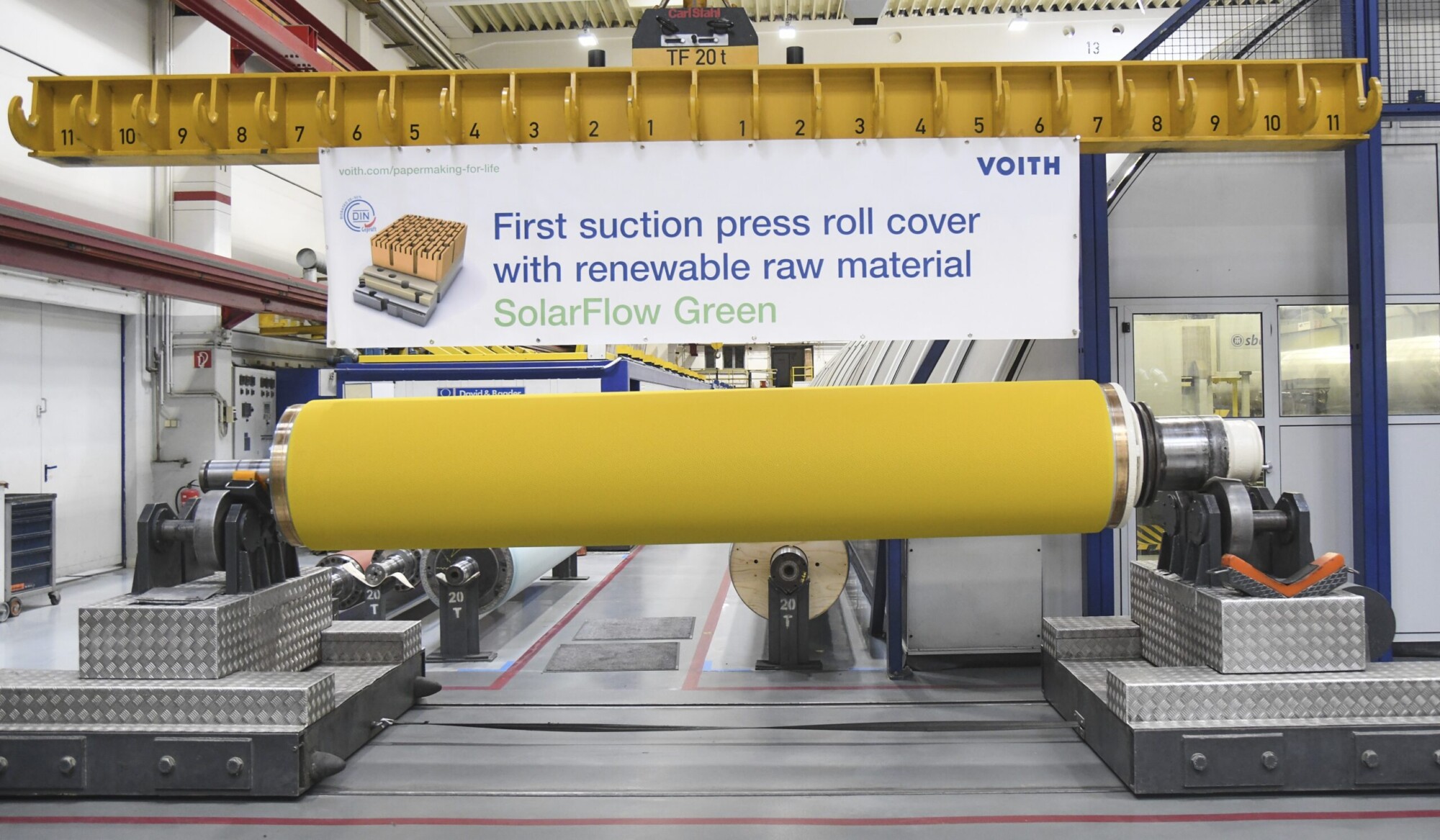
    With SolarFlow Green, Voith is setting yet another standard for paper manufacturing products made of renewable raw materials. The suction press roll cover is certified according to the internationally recognized DIN CERTCO standard for bio-based products.

    The cover combines all the advantages of the proven SolarFlow technology while simultaneously reducing the carbon footprint. This innovation is in line with Voith’s long-standing commitment and ambitious goals to promote sustainability in both paper manufacturing and its own production.

    SolarFlow Green is a premium polyurethane roll cover and boasts a maximum void volume that remains constant over a long operating period.

    “Achieving a high dry content is extremely important to us. Thanks to SolarFlow Green, we were able to implement our customized surface design, resulting in a high void volume and maximum dewatering in the press section. We achieve this using resource-friendly, sustainable materials. It’s a winning combination for us.”, Robin Linney, Palm Paper plant manager at King’s Lynn.

    The polyurethane material with its biobased component also gives the press roll cover a high degree of stability that can withstand extreme nip conditions. This enables not only fast machine speeds with a high dry content but also low energy consumption at the same time.

    “With SolarFlow Green, we are the first manufacturer with the ability to offer our customers a suction press roll cover made of biobased materials that has been certified by DIN CERTCO. We look forward to working together with our customers to make paper production even more sustainable and resource-friendly in the future”, Dr. Christina Bauer, Global Product Manager for Press Roll Covers at Voith.

    Papermaking for Life sustainability program

    The sustainability of our own activities is a main emphasis of the Papermaking for Life sustainability program. As part of our innovation and development offensive, Voith Paper is introducing a wide range of technologies and initiatives that will lead to more efficient and sustainable processes in paper production. The key focus is on the areas of water, energy, and fiber savings, digitization, innovations, and partnerships as levers for more sustainable production. 

    About DIN CERTCO

    DIN CERTCO is the certification company of the TÜV Rhineland Group and the certification body for issuing the DIN mark and other certification marks. The internationally recognized “DIN-Geprüft biobased” (“DIN-tested biobased”) label confirms that renewable raw materials are used in the production of a product.

  • Valmet introduces sustainable low-friction doctor blades to reduce energy consumption at the dryer section of board and paper machines

    Valmet introduces sustainable low-friction doctor blades to reduce energy consumption at the dryer section of board and paper machines

    Valmet is introducing new low-friction doctor blades to respond to customers’ energy savings and decreased doctor blade usage sustainability requirements. The new low-friction doctor blades are suitable for dryer sections in all paper and board machines regardless of the original equipment manufacturer. 

    “We are always striving to help our customers diminish their environmental impact with our products. As their name suggests, the new low-friction doctor blades have a low coefficient of friction, leading to significant energy savings at the dryer section. The new blades also contribute to cleaner dryer cylinders and, thanks to increased blade lifetime, to less doctor blade usage,” says Pasi Viitasalo, Global Technology Manager for paper process parts at Valmet. 

    Sustainable low-friction doctor blades for board and paper makers

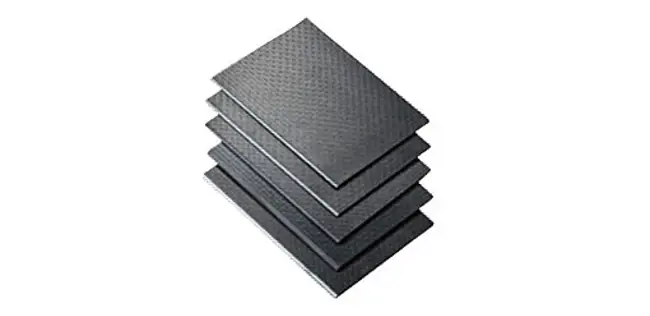
    The new doctor blades are made of epoxy resin with glass and/or carbon glass fiber reinforcements. Special attention in research and development was paid to functional fillers for low friction. 

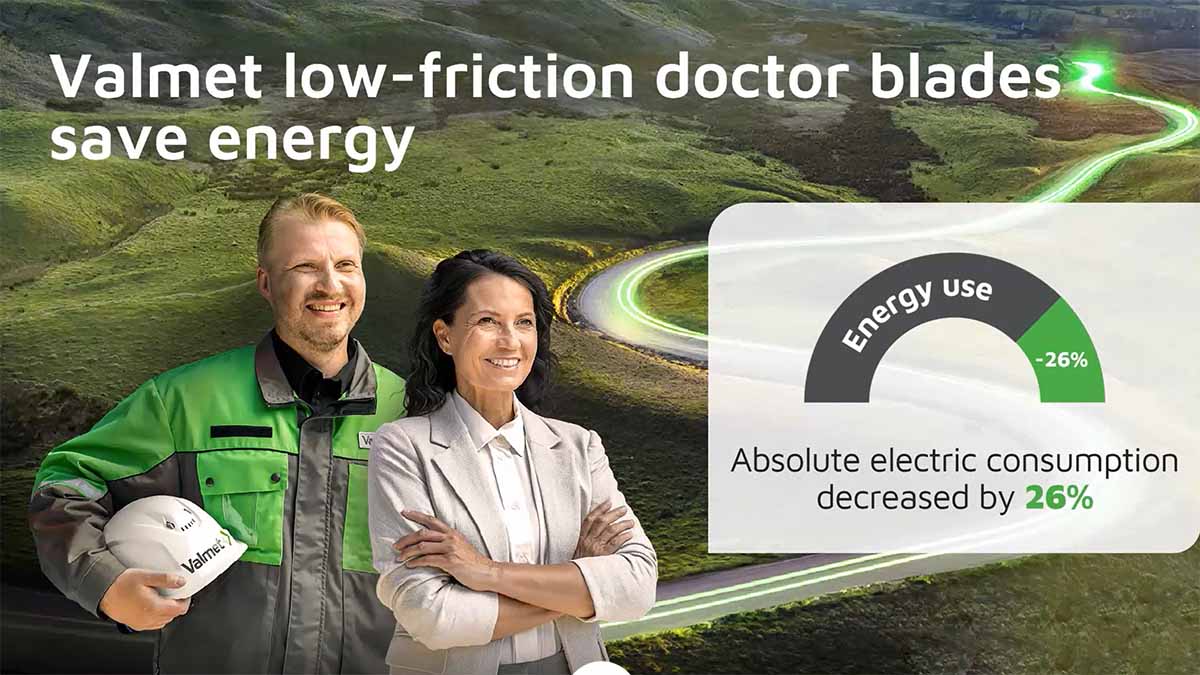
    Valmet has conducted a series of successful customer trials with the new blades. “Based on the data given to us by a European customer, the new doctor blades decreased the absolute electric consumption of dryer section electric motors by more than 26%. This results in annual energy savings that are as much as 950 MWh at that mill. When it comes to CO2 emissions, the reduction is 190 ton per year,” says Viitasalo.

    Valmet’s doctoring offering includes a complete portfolio of doctor blades, holders and other accessories.  

  • World Book Day: four reasons to unplug and read a paper book

    World Book Day: four reasons to unplug and read a paper book

    JOHANNESBURG – APRIL 23, 2024

    According to the National Reading Survey more than half of South African adults still live in households without literature and this is not improving over time.

    It also reports that some 65% of children turn 10 years old without having a single picturebook in their homes. “This is a devastating statistic,” says Jane Molony, executive director of the Paper Manufacturers Association of South Africa (PAMSA), an association that promotes the use of paper for communication, packaging and also books and print media.

    The same survey found that 77% of adults who live with children believe that it is important for children to read in print and not on cell phones or digital devices.

    While digital reading is widespread, especially among young people (under 35), and offers opportunities for free reading material distribution, there is still a place for the printed word asserts PAMSA.

    “We certainly do not advocate that reading on paper and print should be seen as a competitor to reading on screen, but digital books should not be a replacement for the accessibility of printed reading materials,” says Molony.

    Today (23 April 2024), World Book Day 2024, is centred around the theme Read Your Way, calling on everyone to let go of pressure and expectations, giving children a choice – and a chance – to enjoy reading. “We believe that paper-based books are important for early readers,” notes Molony, adding that little books in little hands can open a whole new world for children which is why initiatives such as Book Dash and Nali’bali are making great strides to provide books for young children.

    Book Dash publishes printable open source books on their website for free. “It’s a convergence of both worlds, allowing anyone to read, download, print, and share the books,” explains Molony. Nal’ibali encourages reading as a daily activity. Operating in seven provinces, it provide free online audio stories and story books to children in all 11 official languages and Braille.

    Four reasons why paper books are good for us

    There are several reasons why paper books are good for us, and this extends beyond mere text or images on a page. According to PAMSA, here are four reasons why paper books should still have a place in our homes and schools.

    Tactile engagement

    There is an unmatched physical response to holding a book, turning its pages, and feeling its weight. This can create a deeper connection with the content, especially when children engage with picture books. In turn, this enhances the reading experience, making it fun and appealing.

    Enhanced focus and comprehension

    Reading for meaning is a critical development milestone. According to the National Reading Survey, less than 20% of Grade 4 learners (approximately 10 years old) cannot read for meaning. Research suggests that reading from paper encourages better focus and comprehension compared to reading from screens. Without digital distractions, flipping through paper pages can help readers maintain concentration and retain information more effectively as they create a visual map of what they have read or where on the page they read it.

    Better for your eyes and brain

    In an era dominated by screens, opting for a paper books can help us ‘unplug’ from digital devices. Reading from a printed page reduces eye strain and exposure to blue light, promoting better sleep and overall well-being, especially when reading before bedtime.

    Sentimental value, collectability and shareability

    There is an incomparable sentimentality to paper books. Whether it’s a cherished childhood story, a gift from a loved one, or a well-worn favourite, books are memories. For avid readers and collectors, there’s a special pleasure in building a physical library, a display of tangible reminders of literary journeys and personal milestones. Printed books can also be shared among family and friends.

    “While digital formats offer convenience and accessibility, paper books give us a richer experience that many of us still find irreplaceable,” concludes Molony.

  • Unique machine systems : Pulp & Paper Machinery Manufacturers

    Unique machine systems : Pulp & Paper Machinery Manufacturers

    An interview from Mr.Unni Krishnan, Managing Director of Unique Machine Systems
    “We have been operating for the past 25 years in pulp & paper machinery manufacturing. We have created a niche set of products and services which has been appreciated by our clients from whom we get repeat orders”

    Paper Market : Could we know more about Unique machine systems (U-MAC)?

    Unni Krishnan : We are based out of Coimbatore, TN, India and we have been in the Business for the last 25 years .our expertise is paper machinery and rewinders. We have supplied paper machines from 1.00m to 3.60m wide paper machines for producing writing, printing, tissue, duplex, kraft and mill board varieties of latest. We also undertake rebuild of paper machines and rewinders.

    We have an SPM unit for specializing in developing and product-ionizing of any new concept requirement. We have undertaken and supplied a machine for ISRO for a unique film drying machine space module. We also supply disc cutters, reel splitters, air shafts for reel holding.

    PM : What are your company’s vision & principles?

    UK : Our vision is to give good quality products at competitive rates with good service. Our company culture is to foster a very open and challenging atmosphere where the employees feels. He is part of the company and work to develop one self and the Company. We approach the customer is the king and we exist because of our customers.

    “We have an SPM unit for specializing in developing and product-ionizing of any new concept requirement”

    PM : What do you manufacture for the Pulp & Paper industry?

    UK : Products manufactured by us are:

    Pulp mill equipment

    • Turbo separator – 5 models
    • Medium consistency screen two models
    • Low consistency pressure screen four models
    • Belt press for thickening up to 30-35% consistency
    • Drum thickener with slotted screen used as pre-thickener before screw press for Deinking plant sludge
    • Thickener for other application

    Paper machine accessories:

    • Auto guide
    • Stretcher conventional & motorized with felt tension controller
    • Tail cutter for dry end 
    • Hydraulic & pneumatic control systems

    Finishing house:

    • Rewinder up to 5.00m with regenerative braking
    • Salvage winders
    • Jobbing winders
    • Fully automated reel pickup from floor
    • Trim handling system for cutters winders
    • Reel splitters
    • End paper discs cutter for reel protection
    “We approach the customer is the king and we exist because of our customers”

    PM : How does the head box micro slice controller works?

    UK : The head box slice lip micro controller is used for maintaining the profile across the machine using a precise gearing with motors fitted with displacement measurement. This can be connected to the Beta gauge and the slice can be lowered or raised precisely from the machine control room itself obviating the need to climb onto the wire for varying the slice lip opening.

    As the machine speeds are increasing day by day and quality Requirement is also rising the control of the slice lip and headbox Play a very important roll.

    PM: What is H frame design for press section designed by you?

    UK : The H frame design is modular concept, extremely rigid and sturdy design for increasing the nip loads on paper machine. Framing design is very suitable for double felting. The frame design is done in such a way the felt changing can be done quickly without dismantling half the items. Improves productivity and overall compact and easy to maintain.

    PM : What is the concept of your Silent drive for dryer?

    UK : This is a new concept now catching on in our country. The dryers in The earlier days were all driven by gear train with an open arrangement. The open arrangement gears creates a lot of noise difficult to maintain. Maintaining the rear side bearings of the dryers and felt rolls was difficult and usually the maintenance is more on break down and than preventive. In the silent drive design the open gears are removed and driven individually through separate driving rolls.

    The machine becomes silent and house keeping is easier and maintenance also is under control. These drives can be done for high speed and slow speed machines.

    “The frame design is done in such a way the felt changing can be done quickly without dismantling half the items”

    PM : Where is your production facility located?

    UK : We have a 10000 sq feet factory with a machine shop inspection and assembly facilties. we provide all our services from Coimbatore, TN. We have associates at Bangalore, HyderAbad and Ahmedabad. We have supplied machines across India and we have repeat orders from all our customers.

    PM : How important is the QC for a machinery manufacturing company and how do you assure the quality consistency of your machinery?

    UK : Quality control is an essential part of any production process. We purchase all raw materials from good suppliers and wherever materials have to be tested we get it tested from Government accredited agencies. During the production we take visual inspection, check with drawing during fabrication, machining set ups for getting the best results.

    All rejected Parts are scrapped. For high accurate measurements we take third inspection using cmm, laser tracking. For getting consistent quality of our machines we use Jigs and fixtures while machining, fabrication and drilling to get consistent results.

    PM : How do you handle you service related issues?

    UK : Generally these are mechanical items do not require continuous service. Our machines are rugged and lasts a long time. For any service related requirement we have our technical team to handle Any crisis situation.

    PM : Do you export and what about your overseas market?

    UK : We have supplied a lot of items to Saudi Arabia, East Africa, Bangladesh, Nepal and Sri Lanka. We can supply a lot items and equipment maintaining quality and technology.

    PM :Could you explain us about your environmental management policies?

    UK : Our environment policy is to follow the eco-friendly procedures in the below areas.

    • Transport
    • Minimising waste
    • Reusing packaging and other materials
    • Recycling
    • Efficient use of water and energy
    • Use of biodegradable chemicals
    • Minimising use of solvents and lead-based paints
    • Use of timber or wood products from sustainable (managed) forests
    • Procedures to minimise noise disturbance to neighbours
    • Phasing out of ozone-depleting substances

    PM : Being an equipment manufacturer, do you recommend the environmental policy for every manufacturer?

    UK : Yes. Because, an environmental policy enables a business to manage and measure its impact on the environment. Whether it covers a company’s own operations or manages the environmental impact of its supply chain, an environmental policy will generally set out the commitments that the company is making to control and improve its environmental impact.

    Having an environmental policy can significantly benefit a business – helping it to meet legal requirements, cut costs, conserve raw materials and energy, and make processes more efficient.

    PM : How paper mills can initiate for paper sustainability?

    UK : Paper mills could have sustainability initiatives which can be implemented through various means, including:

    • Reduce deforestation by promoting sustainable forest management
    • Improve energy efficiency in production facilities
    • Treat wastewater prior to release into the environment
    • Use high-quality diesel fuel produced without heavy metals or sulfur
    • Invest in research and development for new technologies that promote sustainability within the industry
    “Meeting sustainability standards requires continuous evaluation of process planning and assessment of technology selection”

  • Voith Paper : Sustainability in the paper industry

    Voith Paper : Sustainability in the paper industry

    Interview with Dr. Michael Weiss, CTO at Voith Paper

    As a full-line supplier, Voith Paper provides holistic and customer-oriented solutions from a single source, for an efficient and sustainable papermaking process.

    Which technologies do you use to support the transformation towards a circular bioeconomy?

    Michael Weiss : As a full-line supplier, Voith Paper provides holistic and customer-oriented solutions from a single source, for an efficient and sustainable papermaking process. With the XcelLine paper machines, Voith offers efficient papermaking for every paper grade, and with the innovative BlueLine stock preparation products, customers benefit from maximum efficiency and raw material yield.

    The digitalization solutions from our Papermaking 4.0 portfolio are playing an increasingly important role in papermaking to maximize resource efficiency and plant availability. The wide range of consumables and spare parts that Voith supplies to the paper industry also makes an important contribution to lowest energy consumption, high machine efficiency and plant availability.

    “Sustainability plays an essential role in Voith’s strategy. We want to be an industry-wide pioneer and, as a family-owned company, we are committed to ecological, fair and economically successful long-term management”

    What are you doing to minimize the energy requirements of your production?

    MW : Sustainability plays an essential role in Voith’s strategy. We want to be an industry-wide pioneer and, as a family-owned company, we are committed to ecological, fair and economically successful long-term management. With the help of new technologies, we are continuously optimizing the energy and resource efficiency of our production processes. We make our commitment to sustainability transparent and measurable with our sustainability report.

    Since 2022, all activities at the Voith locations worldwide have been climate-neutral. The ISS ESG rating agency has awarded Voith a B- rating for its commitment to sustainability. Based on more than 100 criteria, Voith’s performance in the environmental, social and corporate governance areas was rated above average. Voith is thus one of the three best companies in the plant and mechanical engineering sector worldwide.

    “The actual fresh water consumption is reduced to only about 1.5 liters per kilogram of paper produced by the water management concept AquaLine Zero”

    In your opinion, what are the current challenges along the way to more sustainable paper production and how can mechanical engineering help?

    MW : There are several factors to be mentioned here. One very important factor is the availability and quality of the raw material for paper production, i.e., the cellulose fibres and the recycled paper. In Europe, the recycling rate is already at a very high level. Such high recycling rates require a preparation of the recovered paper that is particularly gentle on the fibres, for example, to maintain the strength potential of the raw material. Such technologies and solutions will continue to gain importance as the recycling rate increases, since the quality of the raw material and high-quality stock preparation strongly influence the overall economy and efficiency of the papermaking process. With our BlueLine stock preparation, Voith offers the world’s most resource-conserving process concept on the market.

    Another factor is to minimize water consumption in paper production. Here, we have made great progress in the past decades by closing the production water cycles step-by-step. This year, Voith and Meri presented AquaLine Zero, a forward-looking water management concept with a completely closed water cycle. All water used in paper production is cleaned by an in-house purification system with state-of-the-art treatment technology and is fed back into production as recycled water in a resource-saving manner. This means that no process water is discharged from the paper mill and the actual fresh water consumption is reduced to only about 1.5 liters per kilogram of paper produced.

    Decarbonisation will pose major challenges for paper producers and other industries in the coming years and decades. The Green Deal adopted by the EU envisages carbon neutrality in the EU by 2050, and greenhouse gas emissions are to be reduced by 55 percent by 2030, measured against 1990 emission levels. To achieve the ambitious carbon reduction targets in the paper industry, disruptive concepts and novel approaches are needed in addition to the continuous development of existing technologies. The development and implementation of these concepts and technologies are part of our sustainability strategy at Voith. Of course, all factors must also be viewed against the background of the high cost pressure in paper production.

    “The Green Deal adopted by the EU envisages carbon neutrality in the EU by 2050, and greenhouse gas emissions are to be reduced by 55 percent by 2030, measured against 1990 emission levels”

    Are the challenges in your industry different regionally or the same globally?

    MW : Sustainability, decarbonization, and the associated changes in our industry are global developments. For example, the Chinese government has also declared its goal of being carbon neutral by 2060, and the USA, under new political leadership, has rejoined the Paris climate agreement. However, these developments towards a sustainable bioeconomy are most advanced in Europe.

    The leading industrial nations want to achieve climate neutrality by the middle of the century. Do we need political support for the bioeconomy? If so, what do you specifically expect from policymakers?

    MW : It is the task of politicians to create clear framework conditions and make reliable decisions in order to provide investment security for all players in the markets and along the value chain. This is necessary in order to successfully implement the transformation towards a circular bioeconomy and, at the same time, to further increase the profitability and competitiveness of paper producers. Another important point will be to pave the way for the further expansion of renewable energies. In this context, the necessary infrastructure, such as transport networks and storage systems, must also be promoted. In addition, the development and market introduction of low-carbon-emission production technologies should be supported and accelerated.

    What role does the topic of sustainable use of resources play in your research and development?

    MW : The trend towards sustainable papermaking and the decarbonization of the papermaking process already play a significant role in research and development at Voith Paper and are a central pillar our strategy. Important focus areas include reducing energy and water consumption in the papermaking process, further increasing the recycling rate, and improving raw material yield and quality. In addition, new fields of application for the raw material paper and cellulose fibers are being developed, for example as a sustainable substitute for mineral oil-based packaging solutions. Other important criteria and development goals are the further expansion of digitalization and the continuous improvement of the cost and resource efficiency of our machinery and equipment portfolio.

    Voith played a key role in the founding of Modellfabrik Papier gGmbH and is now one of 17 partner companies from the paper manufacturing and its supplier industry. The primary goal of this initiative is to identify and research approaches to make the entire papermaking process climate-neutral and sustainable. Through innovative and disruptive research approaches, the goal is to save 80 percent of the energy required in the papermaking process. With a view to further closing material cycles, Voith is involved in another cross-industry initiative: the 4evergreen Alliance. The goal of this initiative are new fiber-based packagings for a 90 percent recycling rate by 2030.

    “Voith is involved in another cross-industry initiative: the 4evergreen Alliance. The goal of this initiative are new fiber-based packagings for a 90% recycling rate by 2030”
  • Valmet reaches a significant milestone for automation systems business by launching Valmet DNAe, the next generation Distributed Control System

    Valmet reaches a significant milestone for automation systems business by launching Valmet DNAe, the next generation Distributed Control System

    Valmet is taking process automation further by introducing the next-generation distributed control system (DCS), the Valmet DNAe.

    The fully web-based process control system comes with a new cybersecure system architecture, control software and hardware, engineering and analytics tools, helping customers improve efficiency, productivity, sustainability and safety of their operations.

    “The new Valmet DNAe represents a major milestone in process automation. It provides a solid platform for moving towards more digitalized, autonomous operations, helping our customers thrive in the changing business environment. In the development of this new system, we have focused on usability and performance, with a modular approach that enables upgrade paths also from our previous system generations,” says Emilia Torttila-Miettinen, President, Automation Systems business line at Valmet.

    The launch is a major step in the company’s roadmap for growing its automation business further and in bringing unrivalled future-proof automation solutions to a wide base of process industries globally. With this new system, the company will have an excellent opportunity to continue expanding the footprint of its automation systems business worldwide.

    Designed to support the work of all process automation user groups

    Valmet DNAe is developed with a design philosophy to empower people to perform and collaborate better across the organization. The system provides a common user interface for controls, analytics, configuration, and maintenance. Intuitive workflows simplify operations and enable users to manage larger process areas with less effort. Advanced analytics tools enable turning real-time and historical data into actionable insights. Additionally, the new web-based configuration environment provides a unified environment for all engineering needs from office to field, enhancing flexibility in configuration and maintenance tasks. These features are designed to increase the operational efficiency of our customers.

    A high-performing DCS advancing digitalization and autonomous operations

    Valmet DNAe has been engineered for demanding process control, emphasizing performance and availability. The system empowers users to seamlessly run industrial applications on-premise, at the edge server, or in the cloud. It features a scalable redundant data platform, granting easy and controlled access to all data. The system architecture is cybersecure by design, with role-based access control, authentication, audit trail and encryption mechanisms for proactive prevention of cyber threats. With smooth OT/IT (Operational technology / Information technology) connectivity through secure communication interfaces with external systems, Valmet DNAe establishes a robust base for advancing digitalization and autonomous operations.

    Step-by-step upgrade paths for cost-efficient system evolution

    In alignment with Valmet’s lifetime systems compatibility promise, a leading principle in Valmet DNAe’s development has been to make it easy for Valmet’s existing process automation customers to benefit from the latest technology.

    The new Valmet DNAe Distributed Control System shares its web-based user interface, analytics tools, and common hardware with the previous generation of Valmet DNA. Additionally, Valmet also introduces a new modular controller and a single-channel I/O as new hardware options for Valmet DNAe.

    “The lifecycle approach enables flexible step-by-step upgrade paths for a sustainable and cost-efficient system evolution. We have already delivered over 200 new generation user interface upgrade projects to various industries. The first full Valmet DNAe systems have also been successfully delivered to customers. An important part of Valmet’s strategy is to cover a wide base of global process industries in the automation business, and with this new system, we will have an excellent opportunity to continue expanding the footprint of our DCS business globally,” says Torttila-Miettinen.

    About Valmet’s Automation Systems

    Valmet has been at the forefront of developing digital solutions for its customers since the 1960s and was one of the pioneers launching its first distributed control system (DCS) already in 1978. Today, Valmet’s advanced automation systems operate e.g., pulp, tissue, board and paper production mills, power plants, process industry facilities as well as cruise and cargo ships around the world.   

    Valmet is also driving development towards more autonomous mills and plants and has recently launched e.g. a mill-wide optimization solution for pulp and paper, an important step towards more autonomous operations in demanding process industries.

    Valmet reaches a significant milestone for automation systems business by launching Valmet DNAe, the next generation Distributed Control System

  • Kimberly-Clark Unveils Next Chapter Of Strategic Transformation To Unlock Highest Value Growth Opportunities

    Kimberly-Clark Unveils Next Chapter Of Strategic Transformation To Unlock Highest Value Growth Opportunities

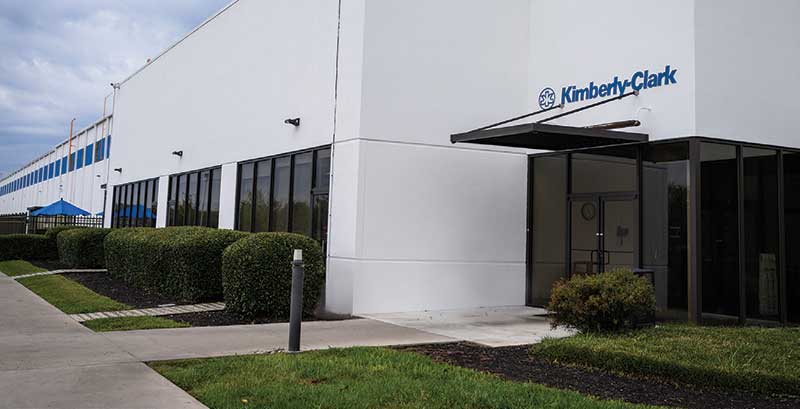
    Kimberly-Clark Corporation has recently announced that, Mike Hsu, Chairman and Chief Executive Officer, and members of his executive leadership team are unveiling the next phase of the company’s transformation, including a new operating model and key commercial initiatives designed to grow its brands and businesses at a faster pace than its categories.

    “Over the past five years, our global team’s dedication and strong execution have positioned us to fully leverage the scale we’ve built and to catapult Kimberly-Clark into its next chapter of growth,” said Hsu. “We are building on the consumer centricity and commercial advantages we’ve established by moving to a more agile and focused operating structure that we are confident will help accelerate our proprietary pipeline of innovation in right-to-win spaces and improve our growth trajectory, profitability, and returns on investment. We have more than 150 years of history, transforming groundbreaking insights into innovative categories, with products that provide Better Care for a Better World. We are excited to build on the strength of that legacy as we drive for consistent, long-term value creation.”

    Hsu added, “Science and innovation are competitive advantages at Kimberly-Clark, and together they fuel our ability to meet the needs of today’s consumers. Sustainability is a critical component of the Kimberly-Clark innovation strategy, and we are proud to announce our ambition to be 100% Natural Forest Free in all our products and to be more than mid-way to this goal by 2030.”

    The Kimberly-Clark Operating Model

    The company will focus on driving a step-change in performance by sharpening its strategic focus through a new operating model that leverages three synergistic forces:

    1. Accelerating Pioneering Innovation to capture significant growth available in its categories by investing in science and technology to satisfy unmet and evolving consumer needs. Kimberly-Clark will focus on growing 12 powerhouse brands that have #1 or strong #2 positions and drive more than 80% of the company’s net sales in five, global daily-need spaces with a total addressable market of approximately $240 billion: Baby & Child Care, Feminine Care, Adult Care, Family Care, and Professional.
        
    2. Optimizing its Margin Structure to deliver superior consumer propositions at every rung of the price-value ladder. The company will implement initiatives and deploy technology and data analytics designed to create a fast, adaptable, integrated supply chain with greater visibility that can deliver continuous improvement. The planned supply chain modernization is expected to generate more than $3 billion in gross productivity and $500 million in working capital savings that will be used to help fuel growth investments.
        
    3. Wiring its Organization for Growth to drive agility, speed, and focused execution that extends the company’s competitive advantages further into the future. In the coming months, the company plans to reorganize its operations into three business segments:
      • North America: A business that currently generates approximately $11 billion in sales annually and a 23% operating profit margin that will leverage its significant scale to amplify value creation, drive an end-to-end cost transformation, and accelerate innovation into fast-moving consumer need spaces through 11 powerhouse brands across consumer and professional channels.
      • International Personal Care (IPC): A segment with approximately $6 billion in sales annually and low-to-mid teens operating profit margins that is focused on three core categories ꟷ Baby & Child Care, Feminine Care and Adult Care. IPC is designed to drive strong growth and improved profitability by scaling a proven growth model, with focused investments in five Core Markets that make up approximately 60% of segment sales. In the 50 Enterprise Markets that make up the balance of the business, the company will seek to improve growth trajectories, profitability and returns on investment by optimizing routes-to-market while harmonizing and simplifying product portfolios.
      • International Family Care and Professional (IFP): A business that currently generates approximately $3.5 billion in sales annually and approximately 10% operating margins. IFP will bring together the company’s international consumer tissue business with its international professional business to capture synergies and establish shared resources globally. The segment will focus on improving its business mix and profitability by growing six iconic brands in five large Family Care and five Professional markets while capturing significant margin potential by leveraging shared technology platforms, and efficiently deploying and scaling the best of its business.

    These three new business segments will be supported by more efficient, world-class functions, including Research & Development, Marketing, Finance, Information Technology, and Human Resources. The company expects to complete its transition to the new organizational structure by the end of 2024. These actions are expected to generate approximately $200 million of selling, general and administrative savings in the next few years that will be available to invest back in the business.

    100% Natural Forest-Free Ambition

    Sustainability is a key pillar of Kimberly-Clark’s innovation pipeline, with the company focused on delivering products with enhanced consumer benefits while striving to use less material and increasing the use of more sustainable material. Over the past decade, the company has explored an extensive array of alternative fiber options, investing significantly in developing more sustainable products. Based on progress against existing goals, Kimberly-Clark is setting a new ambition to be 100% Natural Forest Free across its product portfolio. The company expects to be more than halfway to this goal by 2030.

    Long-Term Growth and Return Algorithm

    Kimberly-Clark has set long-term growth and return targets that include:

    • Organic Net Sales growth ahead of market growth;
    • Adjusted Operating Profit growth in the mid-to-high single digits on a constant currency basis;
    • Adjusted EPS growth in mid-to-high single digits on a constant currency basis; and
    • Annual Free Cash Flow generation of at least $2 billion.

    “We see a clear path to consistent growth and strong margin expansion as we sharpen our focus on areas of competitive advantage and where we believe we have the right to win,” said Nelson Urdaneta, Chief Financial Officer. “Leveraging our strong innovation pipeline and go-to-market capabilities to drive growth, our new productivity programs to deliver efficiencies, and our capital priorities to support reinvestment and accelerate our strategic plan will support our ability to achieve our new long-term financial profile in the years ahead.”

    The company’s capital priorities have not changed. These priorities include investing to accelerate organic growth with strong returns that will strengthen the company’s market positions; growing the dividend while maintaining the company’s single-A credit rating; evaluating strategic acquisitions that can deliver incremental growth and return opportunities; and allocating residual capital to share repurchases, to minimally offset dilution from equity incentive programs.

    The company currently expects to incur approximately $1.5 billion in one-time restructuring and reorganization costs, split roughly into 50% in non-cash charges and 50% of cash expenses, over the next three years as it implements its plans.

  • Kemira to develop new renewable barrier coatings for sustainable food packaging

    Kemira to develop new renewable barrier coatings for sustainable food packaging

    Kemira and PA Consulting collaborate to develop new renewable barrier coatings for sustainable food packaging

    Kemira and PA Consulting have formed a strategic collaboration aimed at accelerating the development of a new renewable coating technology, supporting transformation into more sustainable food packaging. This builds upon the recent announcement of a new contract manufacturing facility by Kemira and IFF under their exclusive partnership, which will be able to supply entry-level industrial scale volumes for Kemira’s strategic markets.

    The collaboration with PA focuses on bringing an innovative polysaccharide-based renewable barrier coating material to market by leveraging its inherently strong sustainability profile, including recyclability and compostability, combined with excellent barrier properties for sustainable flexible food packaging applications. The new technology is based on IFF’s Designed Enzymatic Biomaterial™ (“DEB”) production platform, a cutting-edge biotechnology process that enables the production of new renewable polymers with enzymatic polymerization.

    Consumers and regulators are demanding a step change in sustainable packaging and the reduction of plastic waste. With the help of chemistry, fiber-based flexible packaging can offer renewable and recyclable packaging solutions in demanding end-use applications. This innovative new coating material will offer a major step forward in pursuit of this goal and will have the flexibility to adapt to existing value chain infrastructure.

    “We are excited to partner with PA Consulting to further leverage the potential of this new, renewable polymer technology. Collaborating on this strategic initiative underscores our shared vision to lead the industry towards a more environmentally conscious and sustainable future.” said Sampo Lahtinen,Senior Vice President Growth Accelerator, Kemira Oyj

    David Russell, technology and innovation expert at PA Consulting, said: “We are thrilled to collaborate with Kemira to help unlock this new business growth area. PA brings expert capabilities in commercialising material science technology and market strategy, and we look forward to working with Kemira on the development of innovative barrier coating technology for sustainable packaging.”